Blood in Chicken Poop: Causes & What to Do
Blood in chicken poop may be a sign of various health issues and should be addressed promptly. Blood in chicken poop can be alarming for backyard chicken keepers. It is…

Blood in chicken poop may be a sign of various health issues and should be addressed promptly. Blood in chicken poop can be alarming for backyard chicken keepers. It is…
Favus, also called avian ringworm or “white comb,” is a fungal skin infection of chickens caused by Microsporum gallinae, and when it stays on the comb it usually clears up on its own over several months. It becomes serious only if it spreads to the feathered skin. Because the fungus can occasionall
Chronic respiratory disease (CRD) in chickens is caused by Mycoplasma gallisepticum (MG), a bacterium that causes coughing, sneezing, rattling breathing, nasal discharge and watery eyes, and once a chicken or flock is infected it stays infected for life. Antibiotics prescribed by a veterinarian can
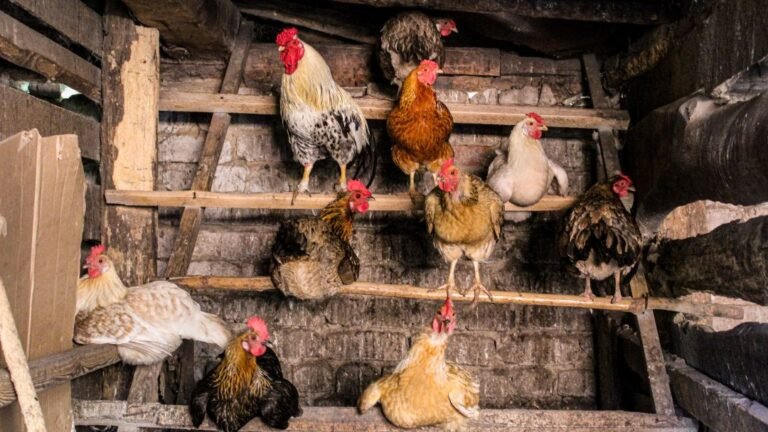
Chickens generally go to bed at dusk, typically around sunset. They are diurnal creatures, and their natural instincts drive them to seek shelter and roost for the night as darkness…

Put a heat lamp in the chicken coop only during freezing weather, and only for sick flocks, young chicks, and brooding periods — not as a default setup. Chickens handle…

You can place the chicken feeder either inside or outside the coop, depending on your setup. Keep it inside when your hens are brooding or when you want them to…
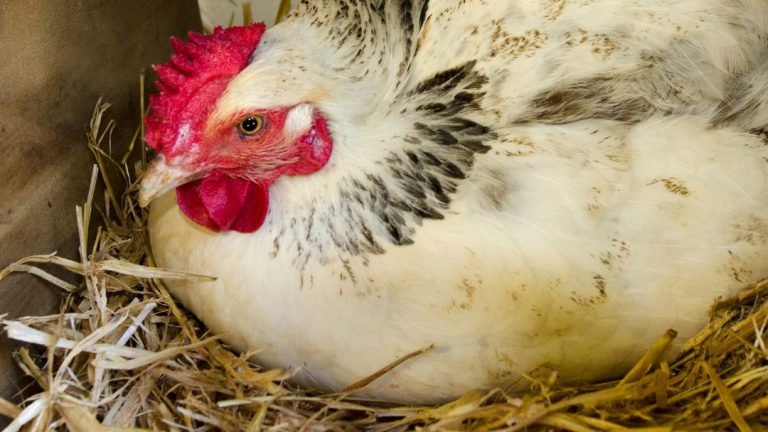
A chicken sitting in the nesting box all day is usually broody, sick, or being disturbed, and a dirty coop or uncomfortable roost can also drive the behavior. On average,…
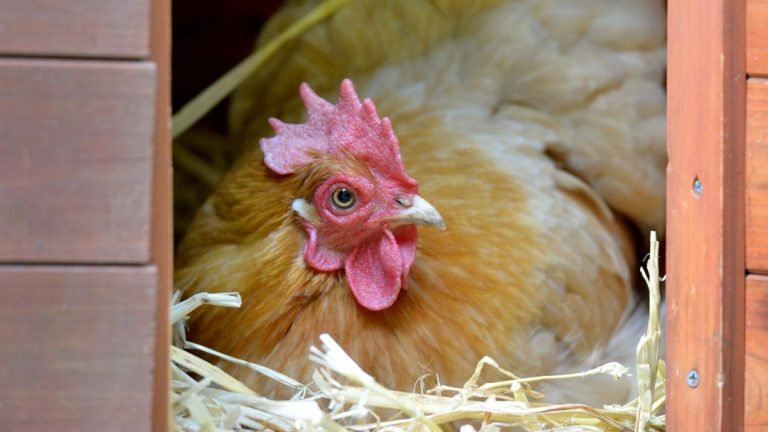
Chicken nesting boxes should be 12 inches wide for regular-sized breeds, around 10 inches for smaller breeds, and about 14 inches for heavier breeds. Width is one of the dimensions…

A chicken coop does need light during dark conditions because chickens have poor vision in low light and rely on it to find their feed, water, roosts, and nesting boxes….
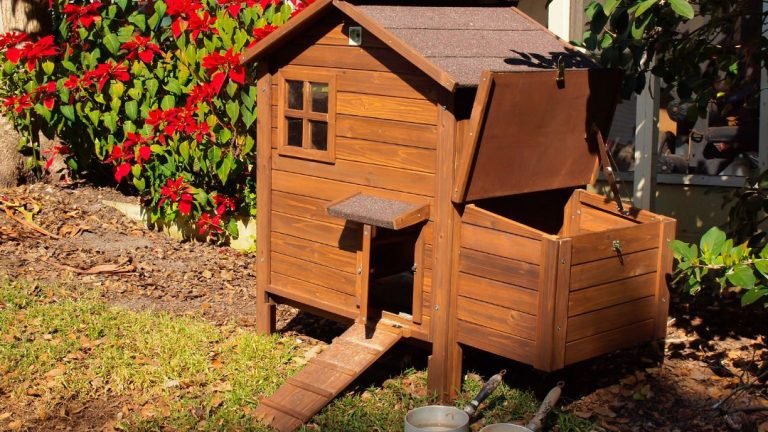
A chicken coop needs high-quality walls and frames, a functional roof, well-ventilated vents, well-designed windows, larger nesting boxes, spacious roosting areas, enough free-range area, water-saving waterers, functional feeders, sufficient heating…