Health note: This guide is general information, not veterinary advice, and our writers are not veterinarians. If a bird is sick, injured or not improving, contact a poultry vet, and always follow product labels and your vet's instructions for any medication. How we write health content.
The best way to help molting chickens is to keep them on a complete feed, give them a dry, draft-free coop, handle them as little as possible, and check them for mites and lice, because molting itself is a normal process that needs no treatment. Each year, as days shorten, hens drop their old feathers, grow new ones, and usually stop laying. This guide explains what happens during a molt, what actually helps, and which popular tips to skip.
Key Takeaways
- Shortening days trigger the molt, which usually happens in fall.
- Hens usually stop laying during a molt and often lay better-quality eggs afterward.
- A molt can take one to two months, or three to five months in some older or fancy breeds.
- New growing feathers have a rich blood supply, so avoid unnecessary handling.
- Heat lamps are a coop fire hazard and are not needed for molting birds.
Is your hen molting now? Use the molt tracker below to see her stage and expected finish date.
Correction: an earlier version of this article said 14 hours of light stimulates feather growth, recommended heat lamps, grooming molting birds, keratin supplements and natural remedies, and gave an incorrect age for the first molt; these errors have been removed.
What molting is and why it happens
Molting is the regular replacement of old, worn feathers. It is controlled by the bird’s hormones, which respond to day length, so most backyard flocks molt as the days get shorter in late summer and fall. Feather loss in autumn is usually a molt rather than a disease.
Chickens do not go bald all at once in a natural molt. Feathers are lost and replaced gradually, in a fairly predictable order: head, neck, body, wings and tail. If you look closely at a molting hen, you will see new feathers emerging from their sheaths across different parts of the body.
Laying hens usually stop laying during the molt, because the bird puts most of her energy into growing feathers. That pause is normal. Once the molt ends, hens often lay more eggs in a given period, with better shells and interior quality.
When chickens molt and how long it lasts
Chicks replace feathers several times while they grow. They are fully feathered at about 4 to 5 weeks, replace that first set by 8 to 10 weeks, and grow an adult set as they reach sexual maturity. Pullets usually lay through their first winter, and extension specialists suggest letting hens go through a full molt in their second winter.
How long a molt takes depends on the bird. Some breeds molt over one to two months, while some older or fancy breeds may be in molt for three to five months. Stress can also trigger feather loss at other times of year, so a sudden, heavy loss of feathers across the whole flock deserves a closer look.
| Stage | What you will see |
|---|---|
| Early molt | Egg production drops; feathers start falling from the head and neck |
| Mid molt | Patchy body feathers; new pin feathers emerging in sheaths |
| Late molt | Wing and tail feathers replaced; plumage fills in |
| After molt | Laying resumes, often with better-quality eggs |
Molt Tracker
Enter when the feathers started falling to see which stage your hen is in and what helps now.
Molt Tracker
Enter when the feathers started dropping to see where your hen is in her molt, when to expect her back to normal, and what helps right now.
Molts vary a lot between birds; these dates are a rough guide. Sources: Kansas State University Extension, Alabama Extension, Oregon State Extension.
Feeding molting hens
Feathers are made mostly of protein, but you do not need special supplements to grow them. Small flocks fed a balanced commercial ration rarely have feathering problems caused by the diet. Keep that complete feed as the main diet and limit treats and scratch grain to about 10% of what the birds eat, so they do not dilute the protein and nutrients in the feed. See our guide to chicken feathers for more on how feathers grow.
Calcium is the other thing to think about. Layer feed contains the high calcium level a laying hen needs for eggshells, and hens that are not laying do not need it. Alabama Extension recommends that, during the molt and other non-laying periods, you replace layer feed with a developer feed and offer a calcium supplement and grit free choice in separate feeders. Read more about offering oyster shell.
- Keep a complete feed available at all times.
- Offer oyster shell (or another calcium source) and grit separately, free choice.
- Keep treats, including mealworms, to a small share of the diet.
- Provide clean water at all times.
Housing, handling and lighting
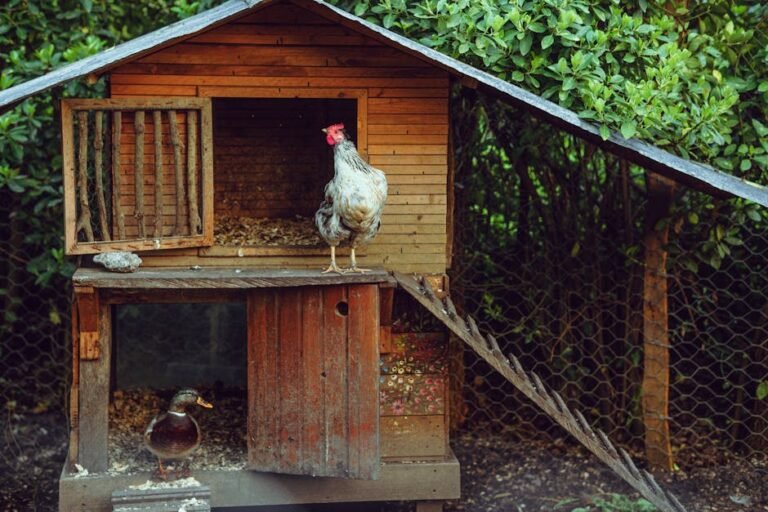
A molting bird needs a coop that is dry, clean and well ventilated but free of drafts. Avoid heat lamps: they are a fire hazard in coops.
Keep handling to a minimum. New growing feathers, often called pin or blood feathers, have a rich blood supply, and a broken one can bleed heavily. Do not brush or “groom” molting birds, and do not pull feathers.
Be careful with added light. Extra light does not speed feather growth. Keeping total light at about the length of the longest day of the year (around 16 hours) is how producers keep hens laying and prevent a molt, and molts that happen during long days are often incomplete. Many keepers simply let the flock molt naturally. If you want to understand why hens stop laying in fall, see why chickens stop laying.
Pecking, parasites and other causes of feather loss
Not every bare patch is a molt. Before deciding, check whether feathers are actually missing or have been pecked. Pecked feathers look broken and frayed, sometimes with only the quill left.
- Feather pecking: caused by crowding, very bright or long lighting, diets short in protein, sodium or phosphorus, and a lack of chances to forage. Remove any bleeding bird promptly, because chickens are attracted to blood.
- Mites and lice: mites can sometimes be seen around the vent. If you find them, treat the entire flock and the housing with a product labeled for poultry, following the label, including any egg withdrawal time. See how to get rid of chicken mites.
- Mating damage: hens kept with heavy roosters, or too many roosters, can develop bare backs; the feathers grow back, often at the next molt.
A dust-bathing area helps chickens clean their skin and feathers, but it does not replace treatment when parasites are present.
When to call a veterinarian
A molting hen should still eat, drink and move normally. Call a veterinarian if a bird stops eating, loses weight, sits hunched and lethargic, or shows breathing problems or diarrhea. Those signs point to illness, not molting.
Sudden deaths, swelling of the head, or purple discoloration of the comb and wattles are warning signs of reportable diseases such as avian influenza. Report sick or dying birds to your state veterinarian or to USDA at 1-866-536-7593.
Free tools
- Mite & Lice Check: find out which pest you have and what to do
FAQs
How long does a chicken molt last?
It varies by bird and breed. Some breeds molt over one to two months, while some older or fancy breeds may take three to five months.
Do chickens lay eggs while molting?
Usually not. Hens typically stop laying during the molt and resume afterward, often with better shell and interior quality.
Should I add light to help my chickens molt?
No. Added light is used to keep hens laying and prevent a molt; it does not speed feather regrowth, and molts during long days are often incomplete.
Should molting hens still get layer feed?
Hens that are not laying do not need layer-level calcium. Alabama Extension suggests switching to a developer feed during the molt and offering calcium and grit separately.
Can I pick up a molting chicken?
Only when you need to. Growing feathers have a rich blood supply and can bleed if broken, so keep handling gentle and brief.
Conclusion
Molting is a normal yearly reset, not an illness. Feed a complete ration, adjust calcium while hens are not laying, keep the coop dry and safe, and handle birds as little as possible. Check for pecking and parasites, and call a veterinarian if a bird seems sick rather than simply scruffy.
Sources
- Kansas State University Extension: Molting and Other Causes of Feather Loss in Small Poultry Flocks (MF2308)
- Oregon State University Extension: Why did my chickens stop laying? (PNW 565)
- Alabama Cooperative Extension: Nutrition for Backyard Chicken Flocks
- University of Maryland Extension: Feeding the Flock
- Small and Backyard Poultry (Extension): Frostbite in Chickens
- Small and Backyard Poultry (Extension): Feather Pecking and Cannibalism
- Saunders Comprehensive Veterinary Dictionary (via PMC)
- USDA APHIS: Signs of Illness
Checked September 2026. Labels change, so always read the label on the product you buy. See our editorial policy for how we research health articles.