Chicken Feed Calculator
Enter your flock and the price of a bag to see how much feed you’ll use and what it will cost.
| Bird | Typical feed |
|---|---|
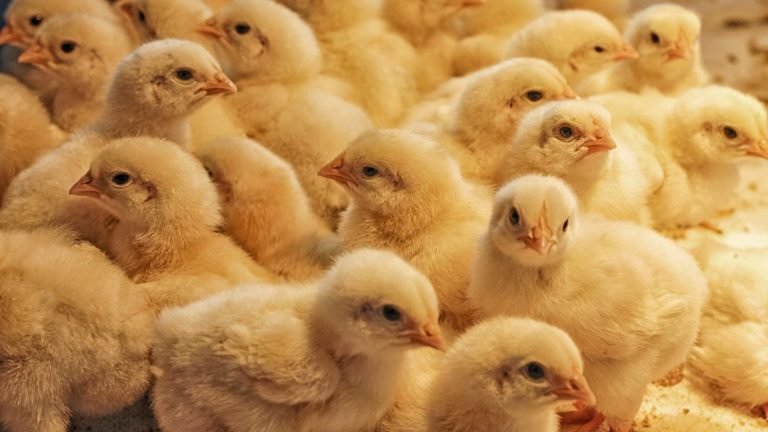
| Chick, 0–6 weeks | About 4 lb of starter in total (roughly 0.1 lb a day) |
| Growing pullet, 7–18 weeks | About 0.2 lb a day, rising as she grows (estimate) |
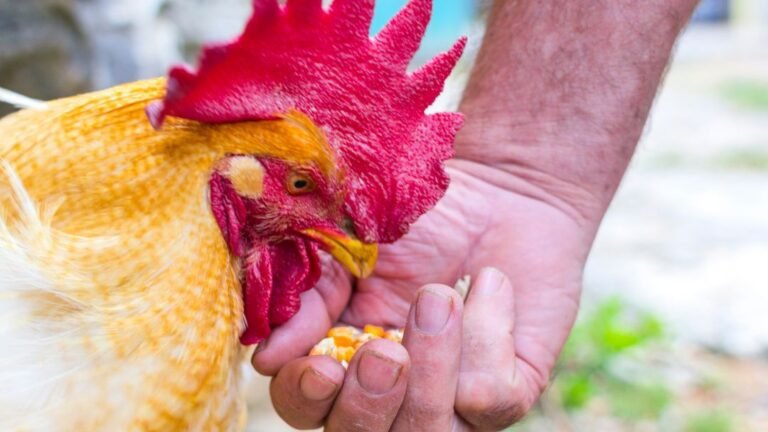
| Laying hen or adult bird | About ¼ lb a day; up to ⅓ lb in cold weather or for large breeds |
Feed amounts are averages; birds eat more in cold weather and when laying heavily, and wasted feed adds up, so use a feeder that limits spills. Treats should stay around 10% of the diet. Sources: Mississippi State University Extension, Alabama Extension, University of Maryland Extension.
A chicken feed calculator estimates how much feed your flock needs and what it will cost, so you serve the right amount, neither too little nor too much. Whether you keep a small backyard flock or manage a larger poultry setup, getting feed quantity right is one of the most important parts of chicken care. Underfeeding stunts growth and egg production, while overfeeding wastes money and attracts pests. The calculator below factors in your flock size and nutritional requirements to give you a clear daily and weekly target, plus the projected cost, so feeding decisions stop being guesswork.
Below, explore the significance of a chicken feed calculator in achieving these goals, understand chicken nutrition requirements, and learn how to use a feed calculator effectively.
Key Takeaways
- This chicken feed calculator estimates how much feed your flock needs based on your birds' details.
- It also projects feed costs, helping you budget for raising your chickens.
- Enter your flock size and chicken details to get a tailored feed estimate.
Understanding Chicken Nutrition
Chickens require a balanced diet that includes essential nutrients to thrive. The key nutrients include:
- Protein: Vital for muscle development, egg production, and overall growth.
- Carbohydrates: A source of energy for daily activities and bodily functions.
- Fats: Necessary for energy storage and maintaining body temperature.
- Vitamins: matters in various metabolic processes and immune function.
- Minerals: Essential for bone development, enzyme activation, and maintaining health.
Additionally, different stages of a chicken’s life require specific diets to meet their changing needs. Starter feeds are given to young chicks, grower feeds to adolescent chickens, and layer feeds to hens for optimal egg production.
Benefits of Using a Chicken Feed Calculator
A chicken feed calculator is a powerful tool that offers numerous advantages to poultry farmers:
- Better planning: see how much feed chicks, growing pullets and adult birds will eat each day, week, month and year, and how long a bag will last.
- Cost-Effectiveness and Waste Reduction: Accurately determining the feed quantities reduces unnecessary expenses and minimizes food wastage.
- Health and Productivity Improvements: Providing balanced nutrition enhances flock health, leading to better egg production, meat quality, and overall performance.
- Avoiding Overfeeding and Underfeeding: Precise calculations ensure that chickens receive the right amount of feed, preventing potential health issues.
The calculator uses typical intakes from extension guidance: about 4 lb of starter per chick over the first six weeks, roughly 0.2 lb a day for growing pullets (our estimate), and about ¼ lb a day for adult birds, or up to ⅓ lb in cold weather or for large breeds. Enter your bag size and price to see the cost.
Factors to Consider When Using a Chicken Feed Calculator
To use a chicken feed calculator effectively, consider the following factors:
- Age and Growth Stage: Different life stages require varying nutrient levels, so accurately inputting your flock’s age is crucial.
- Breed and Size: The chicken breed and number of chickens affect their dietary needs and metabolism.
- Climate and Environmental Conditions: Temperature and climate can influence the energy and water requirements of your flock.
- Purpose of Raising Chickens: Egg-laying hens have different dietary needs than chickens raised for meat production or as pets.
Steps to Use a Chicken Feed Calculator
Using a chicken feed calculator involves several simple steps:
- Collecting Essential Information: Gather data on your flock’s age, breed, size, and purpose of raising.
- Selecting a Reliable Calculator: Choose a reputable online calculator or software that suits your specific requirements.
- Entering the Required Data: Input the information collected, and the calculator will generate a customized feed plan.
- Analyzing the Results and Adjusting as Necessary: Review the calculated feed plan and make adjustments based on your observations and the flock’s response.
Tips for Improving Chicken Feed Efficiency
To maximize feed utilization and promote healthier chickens:
- Feeding Schedules and Portion Control: Establish consistent feeding times and monitor portion sizes based on your calculator’s recommendations.
- Proper Storage of Feed: Store feed in a cool, dry place to preserve its nutritional value and prevent contamination.
- Supplementation and Treats: Balance treats and supplements to avoid nutrient imbalances in the main feed.
- Monitoring and Observing the Flock’s Health: Regularly observe your flock’s behavior and physical condition to identify any issues promptly.
Conclusion
A chicken feed calculator is an invaluable tool for poultry farmers seeking to optimize their flock’s nutrition. By understanding the essential nutrients, tailoring feed plans, and using reliable calculators, you can ensure the health, productivity, and profitability of your chicken-raising venture. Embrace the technology available to enhance your farming practices and provide your feathered friends with the best possible care.