Health note: This guide is general information, not veterinary advice, and our writers are not veterinarians. If a bird is sick, injured or not improving, contact a poultry vet, and always follow product labels and your vet's instructions for any medication. How we write health content.
Chronic respiratory disease (CRD) in chickens is caused by Mycoplasma gallisepticum (MG), a bacterium that causes coughing, sneezing, rattling breathing, nasal discharge and watery eyes, and once a chicken or flock is infected it stays infected for life. Antibiotics prescribed by a veterinarian can ease the signs, but they do not clear the infection. This guide covers the signs, how MG spreads, how it is diagnosed, and the realistic choices you have as a backyard keeper.
Key Takeaways
- CRD is the disease; Mycoplasma gallisepticum is the bacterium that causes it.
- Infected birds and flocks remain carriers for life, even when they look healthy.
- Tylosin or a tetracycline can reduce signs but does not eliminate MG, and both need a vet’s prescription.
- Enrofloxacin and other fluoroquinolones must never be used in chickens.
- Buying from NPIP sources that are MG-clean is the best prevention.
Correction: an earlier version of this article recommended enrofloxacin (withdrawn for poultry in 2005), antiviral drugs for what is a bacterial disease, and herbs and essential oils as treatments, and it did not explain that infected birds remain carriers for life; these errors have been removed.
What causes chronic respiratory disease?
Chronic respiratory disease is the name for the illness; Mycoplasma gallisepticum is the organism behind it. MG is a small bacterium that lacks a cell wall and mainly affects the respiratory tract of chickens and turkeys. Other birds, including pheasants, partridges, peafowl, pigeons, quail, ducks and geese, can also be infected.
MG often does not act alone. Secondary E. coli infections are common in MG-infected birds and can cause severe inflammation and thickening of the air sacs, which makes the illness worse. For background on how the airways and air sacs work, see our guide to the chicken respiratory system.
MG has not been shown to cause illness in people.
Signs of MG in chickens
Signs can be mild and slow to develop, which is why the disease is called chronic. Watch for:
- Rattling or loud breathing (rales) and difficulty breathing
- Coughing and sneezing
- Nasal discharge
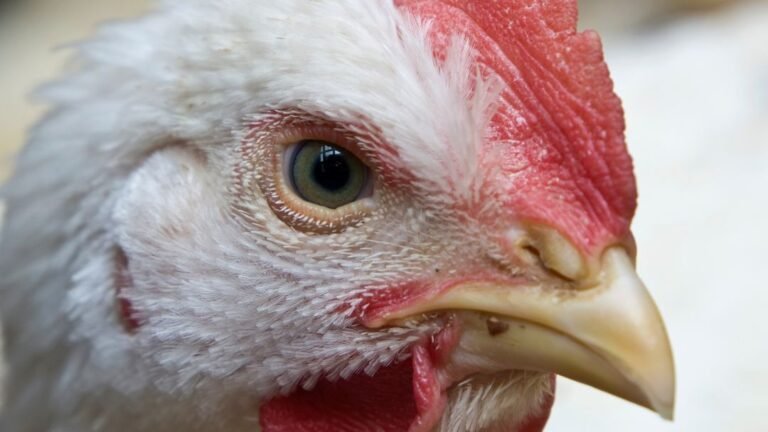
- Watery eyes and conjunctivitis
- Swollen sinuses around the face
- Fewer eggs laid over the season
These signs are not unique to MG, so a lab test is needed to confirm it. Difficulty breathing, nasal discharge and sneezing are also on USDA’s list of signs that can point to avian influenza or virulent Newcastle disease. If several birds are sick, or birds are dying suddenly, call your state veterinarian or USDA at 1-866-536-7593. Our overview of chicken diseases and symptoms and our guide to infectious coryza can help you compare.
How MG spreads
MG spreads two ways. It passes through the egg from infected hens to chicks, and it spreads between birds through aerosols and respiratory secretions. People can also carry it between flocks on shoes, clothing, crates and equipment.
Outside the bird, MG survives only days to weeks: longer in chicken manure or eggs, shorter on clean, dry surfaces. The bigger risk is the birds themselves. Once a chicken or flock is infected, it remains infected for life and acts as a carrier, even when the birds look healthy. That is why a new bird that seems fine can still bring MG into your flock.
How MG is diagnosed
You cannot confirm MG by looking at your birds. A veterinarian or state diagnostic laboratory can use:
- Real-time PCR on swabs, a sensitive, specific and fast test that detects MG directly
- Blood tests (agglutination or ELISA) that show whether the flock has antibodies to MG
- Necropsy and culture of sick or dead birds
A diagnosis matters because it decides what you do next with the whole flock, not just the sick bird.
Treatment: what medication can and cannot do
A veterinarian may prescribe tylosin or a tetracycline. These drugs reduce signs and reduce spread through the egg, but they do not eliminate MG, and treated birds remain carriers. Penicillins do not work against MG because the bacterium has no cell wall.
Since June 11, 2023, medically important antibiotics for animals in the US require a veterinarian’s prescription, so treatment starts with a call to your vet.
- Never use enrofloxacin or other fluoroquinolones in chickens. FDA withdrew enrofloxacin’s approval for poultry in 2005 and prohibits extra-label fluoroquinolone use in food animals.
- Any other drug not labeled for chickens, such as an anti-inflammatory, can be used only extra-label under a veterinarian’s direction, and the vet must set a withdrawal time for eggs and meat.
- There is no authoritative evidence that herbs, garlic, oregano or essential oils prevent or treat MG. Do not add oils to bedding or the air around birds with breathing problems.
Your options if your flock has MG
Because infected flocks stay infected, backyard keepers usually have two realistic choices:
- Keep a closed flock. Keep the birds you have, but never sell, give away, show or add birds, and do not hatch eggs to share, since MG passes through the egg.
- Start over. Remove the infected birds, clean the coop thoroughly, let it dry out, disinfect it with bleach or a commercial disinfectant such as a phenolic product, and leave it empty for at least a few weeks. Then restock with MG-clean birds from an NPIP source.
Talk through both options with your veterinarian. If a bird is suffering and not improving, humane euthanasia by a vet is a reasonable choice.
How to prevent MG
Prevention centers on not bringing MG in. Buy chicks, hatching eggs and adult birds only from sources in the National Poultry Improvement Plan (NPIP) that are certified MG-clean. Three live MG vaccines (F-strain, ts-11 and 6/85) are licensed; ask your vet whether a vaccine makes sense for your flock.
Good biosecurity does the rest. Because people can carry MG on shoes, clothing and equipment, use dedicated coop shoes and do not share crates or tools between flocks.
FAQs
Can chickens recover from Mycoplasma gallisepticum?
Birds can look better after treatment or with time, but they stay infected for life and can pass MG to other birds, including through their eggs.
Can I eat eggs from hens with MG?
MG has not been shown to cause illness in people. If your hens are on any medication, follow the egg withdrawal time your veterinarian gives you.
Can I use enrofloxacin (Baytril) for CRD?
No. FDA withdrew enrofloxacin’s approval for poultry in 2005, and extra-label use of fluoroquinolones in food animals, including backyard chickens, is prohibited.
How long should my coop sit empty after an MG outbreak?
After removing birds, cleaning, drying and disinfecting, leave the chicken areas empty for at least a few weeks before bringing in MG-clean birds.
Conclusion
Chronic respiratory disease is manageable but not curable: medicine can ease signs, yet infected birds remain carriers for life. Get a diagnosis through your vet, then decide between a closed flock and a fresh start with NPIP MG-clean birds.
Sources
- Merck Veterinary Manual: Mycoplasma gallisepticum Infection in Poultry
- University of Maine Cooperative Extension: Mycoplasma gallisepticum FAQ
- FDA: Withdrawal of Enrofloxacin for Poultry
- FDA: The Ins and Outs of Extra-Label Drug Use in Animals
- FDA: GFI #263 Frequently Asked Questions for Farmers and Ranchers
- USDA APHIS: How to Report Sick Birds (Defend the Flock)
Checked September 2026. Labels change, so always read the label on the product you buy. See our editorial policy for how we research health articles.