Health note: This guide is general information, not veterinary advice, and our writers are not veterinarians. If a bird is sick, injured or not improving, contact a poultry vet, and always follow product labels and your vet's instructions for any medication. How we write health content.
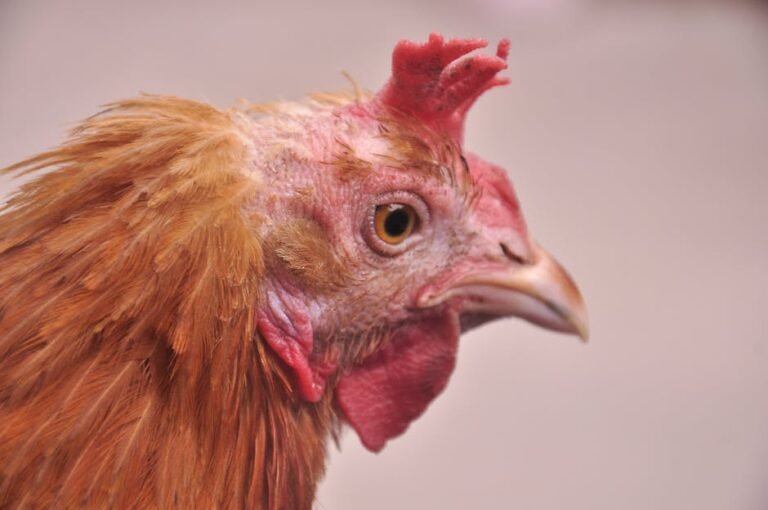
Foamy bubbles in the corner of a chicken’s eye are a classic sign of a respiratory infection, most often Mycoplasma gallisepticum (MG), rather than a simple eye problem. That matters because the infection involves the whole bird, spreads through the flock, and is not cured by cleaning the eye or applying ointment. This guide explains the likely causes, what you can do today, and when a veterinarian or the state veterinarian needs to be involved.
Key Takeaways
- Frothy, bubbly eyes are a recognized sign of Mycoplasma gallisepticum infection.
- Antibiotics can ease MG signs but do not eliminate the infection; infected birds stay carriers for life.
- Infectious coryza can also cause eye and facial swelling, and recovered birds can remain carriers.
- Since June 2023, medically important antibiotics for chickens need a veterinarian’s prescription in the US.
- Swelling of the head, eyelids, comb or wattles, purple discoloration or sudden deaths must be reported: call your state veterinarian or USDA at 1-866-536-7593.
Correction: an earlier version of this article presented foamy eyes as a local eye problem cured with ointment and included unsupported content on genetic causes, antiviral drugs, steroid eye drops, protective eyewear and eye surgery for chickens; these errors have been removed.
What foamy eyes usually mean
The Merck Veterinary Manual lists conjunctivitis with frothiness of the eyes among the signs of Mycoplasma gallisepticum in chickens. The bubbles are the visible part of an infection that also affects the airways.
Look at the rest of the bird and the flock. MG can also cause:
- Rattling breathing sounds (rales), coughing or sneezing
- Nasal discharge
- Difficulty breathing
- Fewer eggs from laying hens
Many infected birds show few or no signs, so one bird with foamy eyes may mean others are already carrying the organism. For a wider look at eye problems, see our guide to eye infections in chickens.
Other causes to rule out
Infectious coryza
Coryza is caused by the bacterium Avibacterium paragallinarum. Signs include nasal discharge, sneezing, reduced activity and facial swelling. In severe cases one or both sinuses below the eyes swell so much that the eyes cannot open fully. It spreads by contact, airborne droplets and contaminated water, but not through eggs. Read more in our article on infectious coryza in chickens.
Ammonia and dust
Ammonia from damp, dirty litter irritates the eyes. The Merck Veterinary Manual notes that ammonia at 50 to 75 ppm can burn the cornea. Good coop ventilation and dry bedding reduce this risk.
Fowlpox
The skin form of fowlpox can put scabby lesions on the eyelids that close one or both eyes. There is no specific treatment for fowlpox; vaccination prevents it.
Eyeworms
The eyeworm Oxyspirura mansoni lives under the third eyelid. It occurs mainly in tropical and subtropical regions, where chickens pick it up by eating infected cockroaches. A veterinarian should confirm and treat it.
Something stuck in the eye
Bits of bedding or a small feather can irritate one eye. If you cannot see or gently flush it out, have a veterinarian remove it rather than trying at home.
Signs that must be reported
Avian influenza and virulent Newcastle disease are reportable diseases. USDA APHIS asks owners to call their state veterinarian or USDA toll-free at 1-866-536-7593 if birds show any of these warning signs:
- Swelling of the head, neck, eyelids, comb, wattles or shanks
- Purple discoloration of the wattles, comb or legs
- Gasping for air, nasal discharge or sneezing
- Stumbling, falling down or twisting of the head and neck
- Sudden deaths, lack of energy or appetite, or a drop in egg production
What to do if you see foamy eyes
- Separate the affected bird in a clean, dry, draft-free space away from the flock.
- Check every bird for sneezing, discharge, facial swelling or noisy breathing.
- If any reportable warning signs are present, call your state veterinarian or 1-866-536-7593 first.
- Contact a poultry veterinarian. Testing is the only way to tell MG, coryza and other infections apart.
- Clean out wet litter and improve ventilation to cut ammonia.
- Wash your hands after handling sick birds.
Treatment: what antibiotics can and cannot do
For MG, drugs such as tylosin and tetracyclines reduce signs, but Merck states plainly that they do not eliminate the infection. Treated birds remain infected for life and can pass MG to other birds, and a small share of eggs from infected hens can carry it to chicks.
For coryza, erythromycin and oxytetracycline are commonly used, though some strains are resistant. Recovered coryza birds may remain carriers and should not be mixed with uninfected flocks.
In the US, since June 2023, medically important antibiotics for animals, including chickens, require a veterinarian’s prescription. Any drug used outside its label in a food animal needs a veterinarian’s order and a set egg withdrawal period, so ask how long to discard eggs.
Topical antibiotic eye ointment may help a scratched or secondarily infected eye, but it does not treat a respiratory infection of the whole bird. Do not use steroid eye drops or ointments unless a veterinarian has examined the eye; corticosteroids are contraindicated when the cornea is ulcerated. There are no antiviral drugs for backyard chickens.
Protecting the rest of the flock
Because MG and coryza birds can stay carriers, talk with your veterinarian about the long-term plan for an infected flock, which may include keeping it closed or starting over with clean stock.
- Buy chicks from breeder flocks certified free of Mycoplasma gallisepticum.
- Quarantine new birds before they join the flock.
- Do not mix recovered birds with an uninfected flock.
- Ask your veterinarian whether MG or coryza vaccines suit your situation.
- Follow basic biosecurity for chickens: clean boots, clean equipment and limited visitors.
FAQs
Can I treat foamy eyes with saline and eye ointment?
Rinsing may make the bird more comfortable, but it does not treat the usual cause. Foamy eyes typically signal a respiratory infection such as Mycoplasma gallisepticum, which needs a veterinary diagnosis.
Is a chicken with foamy eyes contagious?
Usually, yes. MG spreads quickly between birds through respiratory secretions and can also pass through eggs, so isolate the bird and check the rest of the flock.
Will my chicken recover from Mycoplasma?
Signs may ease, especially with veterinary treatment, but the bird stays infected for life and can spread MG to other birds.
Can I eat eggs from a hen being treated?
Only after the egg withdrawal time your veterinarian gives you. Drugs used outside their label in laying hens need a veterinarian’s order and a withdrawal period.
When is foamy eye an emergency?
If birds also have swollen heads, purple combs or wattles, stumbling or a twisted neck, or sudden deaths, call your state veterinarian or USDA at 1-866-536-7593 right away.
Conclusion
Foamy bubbles in a chicken’s eye are usually a sign of a flock-level respiratory infection, most often Mycoplasma gallisepticum. Isolate the bird, check the flock, and work with a veterinarian on testing and a long-term plan, since treated birds can remain carriers. Report any signs of avian influenza or Newcastle disease immediately.
Sources
- Merck Veterinary Manual: Mycoplasma gallisepticum Infection in Poultry
- Merck Veterinary Manual: Infectious Coryza in Chickens
- Merck Veterinary Manual: Fowlpox in Chickens and Turkeys
- Merck Veterinary Manual: Poisonings in Poultry
- Merck Veterinary Manual: Overview of Helminthiasis in Poultry
- Merck Veterinary Manual: Anti-inflammatory Agents in Animals (eye)
- USDA APHIS: How To Spot Sickness (Defend the Flock)
- FDA: GFI #263 Frequently Asked Questions for Farmers and Ranchers
- FDA: The Ins and Outs of Extra-Label Drug Use in Animals
Checked September 2026. Labels change, so always read the label on the product you buy. See our editorial policy for how we research health articles.