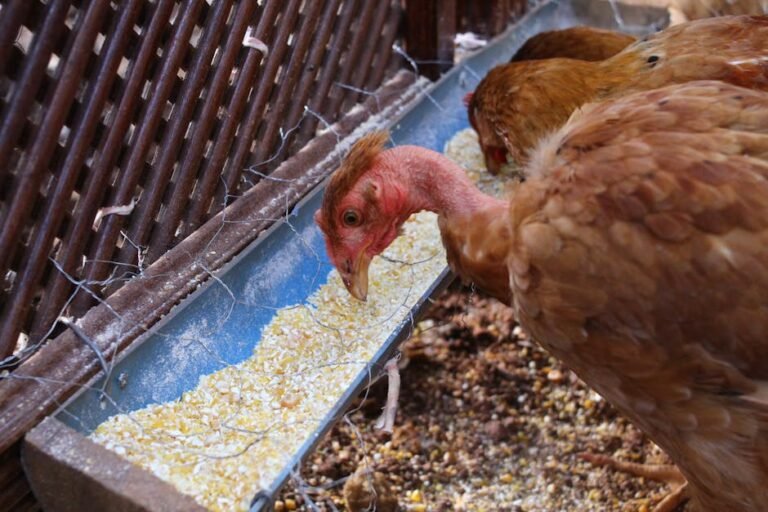
Yes, chickens can eat ripe pineapple flesh as an occasional treat, but skip the tough skin, crown and core and keep portions small. Pineapple is sweet and juicy, and most chickens will happily peck at it. It is not a health food for poultry, though, and many claims made about it online, including a ‘tingly tongue’ effect and respiratory benefits, have no evidence behind them.
Key Takeaways
- Ripe pineapple flesh is safe for chickens in small amounts.
- Remove the skin, crown and core, which are tough and hard to digest.
- Keep all treats under 10% of your chickens’ diet.
- Chickens make their own vitamin C, so pineapple’s vitamin C is not a reason to feed it.
- Pineapple does not treat respiratory disease; sick birds need a veterinarian.
Correction: an earlier version of this article claimed pineapple causes a tingling sensation on chickens’ tongues, that chickens have more sensitive taste buds than people, that pineapple can ease respiratory disease, and that chickens can get allergic skin rashes from it; these claims were unsupported and have been removed.
What’s in pineapple
USDA nutrient data for 100 grams of raw pineapple (about two-thirds of a cup of chunks):
| Nutrient | Amount per 100 g raw |
|---|---|
| Water | 86 g |
| Carbohydrate | 13.1 g |
| Fiber | 1.4 g |
| Vitamin C | 47.8 mg |
| Calcium | 13 mg |
Pineapple is mostly water and carbohydrate. Its vitamin C content is high by human standards, but chickens synthesize their own vitamin C in their kidneys, which is why it is usually left out of poultry feeds. Pineapple is best thought of as a sweet, hydrating snack, not a supplement.
How to prepare pineapple for chickens
- Choose ripe, fresh fruit. Discard any moldy or fermenting pieces; moldy and spoiled food can make chickens sick.
- Cut off the skin and crown and remove the woody core.
- Cut the flesh into small, bite-sized chunks.
- Serve fresh fruit, not canned fruit in syrup or sugary dried pineapple.
- Offer a small amount and pick up leftovers the same day so they don’t spoil or attract pests.
The skin, crown and core are tough and fibrous. University of Maryland Extension notes that eating large amounts of poorly digestible material can cause an impacted crop, so it is best to keep these parts out of the run. Spoiled feed is also one of the causes of sour crop; see our guide to sour crop in chickens.
How much pineapple can chickens have?
Veterinarians at Texas A&M and the University of Illinois recommend that treats, including fruit, vegetables and scratch, make up less than 10% of a chicken’s diet. The rest should be a complete feed formulated for your birds’ age and purpose.
This matters because treats dilute the balanced diet. A University of Illinois veterinarian notes that chickens that do not get a balanced diet are more prone to disease and may show signs of stress, such as feather picking. Starchy foods like bread and crackers are best avoided altogether. Alabama Extension also warns that if hens get too much ‘ice cream’ in the form of treats and scraps, egg production is likely to suffer. A few small chunks of pineapple shared among several hens, a couple of times a week, fits comfortably within that limit. Our article can you overfeed chickens explains the balance in more detail.
Pineapple myths to ignore
The ‘tingly tongue’ effect
Some articles claim bromelain, an enzyme in pineapple, makes chickens’ tongues tingle and that they shake their heads in response. There is no research describing this in chickens. Researchers have reported that chickens have relatively few taste buds, although they are quite sensitive to bitter tastes.
Pineapple for respiratory problems
Pineapple does not prevent or treat respiratory disease. Sneezing, nasal discharge, gasping or swelling around the face can be signs of contagious infections, including avian influenza. Contact a veterinarian, and report sick birds with these signs to your state veterinarian or to USDA at 1-866-536-7593. Our overview of chronic respiratory disease in chickens covers one common cause.
Allergies and ‘acid imbalance’
Claims that pineapple gives chickens allergic skin rashes or upsets the pH of their digestive tract are not supported by the veterinary and extension sources used for this article. If a bird has loose droppings after eating a lot of fruit, cut back on the fruit.
Other fruit treats
If your chickens enjoy pineapple, watermelon is another watery fruit many flocks like; see feeding chickens watermelon. The same rules apply to any fruit: fresh, in small pieces, and within the 10% treat limit.
Avoid avocados and the pits of stone fruits such as peaches, which a Texas A&M veterinarian lists among foods that are poisonous for chickens.
FAQs
Can chickens eat pineapple skin or the crown?
It’s best not to. The skin, crown and core are tough and fibrous, and large amounts of poorly digestible material can contribute to an impacted crop.
Can chickens eat canned pineapple?
Fresh pineapple is the better choice. If you use canned fruit, pick pineapple packed in juice rather than syrup, rinse it, and keep the portion small.
Does pineapple boost chickens’ immune systems?
There is no evidence that it does. Chickens make their own vitamin C, and a complete feed supplies the nutrients a healthy immune system needs.
Can I give pineapple to chicks?
Young chicks do best on a complete starter feed. If you want to offer treats, wait until they are older, and keep portions tiny.
How often can chickens have pineapple?
As an occasional treat. Keep all treats together under 10% of what your chickens eat.
Conclusion
Ripe pineapple flesh is a safe, occasional treat that most chickens enjoy. Remove the skin, crown and core, serve small pieces, clear away leftovers, and keep treats under 10% of the diet. For any sign of illness, especially breathing problems, call a veterinarian rather than turning to food remedies.
Sources
- USDA FoodData Central: Pineapple, raw, all varieties (FDC 169124)
- Texas A&M University: Backyard Chickens Part 2: Maintaining Healthy Birds
- University of Illinois College of Veterinary Medicine: Care and Feeding of Backyard Chickens
- Alabama Cooperative Extension: Feeding the Laying Hen
- University of Maryland Extension: Common Crop Issues in Backyard Chickens
- Life (PMC): Investigations of Ascorbic Acid Synthesis and Distribution in Broiler Tissues
- Poultry Science (PMC): Evolvement of taste sensitivity and taste buds in chickens during selective breeding
- USDA APHIS: Signs of Illness (Defend the Flock)
Checked September 2026. Labels change, so always read the label on the product you buy. See our editorial policy for how we research health articles.