This article contains affiliate links. As an Amazon Associate, Grow Chicken earns from qualifying purchases, at no extra cost to you. Learn more.
Chicken feeders come in a range of budgets and quality, providing real-life solutions for your poultry needs, from cost-effective options to top-of-the-line products. Here’s the best chicken feeders to suit your requirements, providing accurate and useful information for your decision-making process.
Raising chickens can be a rewarding experience, whether for egg production, meat, or simply as backyard pets. However, ensuring your flock has access to clean and nutritious feed is essential for their health and well-being. With a wide variety of chicken feeders available on the market, it can be overwhelming to choose the right one.
That’s why we have compiled a comprehensive guide to help you find the best chicken feeder that fits both your budget and your flock’s needs. Whether you’re a beginner or a seasoned chicken keeper, this article is aimed at providing you with real-life options that are truly worth considering.
Key Takeaways
- Chicken feeders span a range of budgets and quality, from cost-effective picks to top-of-the-line products.
- Clean access to nutritious feed is essential for flock health, whether raising eggs, meat, or pets.
- Choosing the right feeder means matching your budget to your flock's specific needs.
1. Benefits Of Using Chicken Feeders
Using chicken feeders offers multiple benefits for both the chickens and their caretakers. These feeders matters in reducing food waste and saving money, maintaining a healthier eating environment, ensuring a consistent and clean food source, preventing contamination and reducing the risk of diseases, as well as minimizing contact with feces and pests.
Reduces Food Waste And Saves Money
Chicken feeders effectively minimize food waste and help you save money. With traditional feeding methods, chickens can easily scatter and waste the feed, resulting in unnecessary expenses. However, with the use of feeders, the amount of wasted feed is significantly reduced. The design of these feeders enables chickens to access the feed while preventing them from scattering it all around their coop. This way, you only provide the amount of feed needed, saving you both time and money.
Less Feed Is Wasted Or Soiled, Reducing Overall Costs
By utilizing chicken feeders, you ensure that less feed is wasted or soiled. These feeders are designed to keep the feed clean and dry, preventing it from being contaminated by dirt, droppings, or moisture. This not only reduces the overall cost of purchasing new feed but also ensures that your chickens are consuming clean and nutritious food.
Promotes Healthier Eating Habits For Chickens
Using chicken feeders promotes healthier eating habits for your chickens. The feeders are designed to provide a controlled and regulated feeding experience, preventing chickens from overeating or bingeing on feed. This helps in keeping their weight in check and ensuring that they consume a balanced diet, which is vital for their overall health and well-being.
Ensures A Consistent And Clean Food Source
With chicken feeders, you can ensure a consistent and clean food source for your chickens. These feeders are equipped with mechanisms that dispense the feed in a controlled manner, maintaining a consistent supply throughout the day. This consistency helps prevent hunger or overeating among the chickens, ensuring their dietary needs are met. Additionally, the feeders protect the food from dust, debris, and other contaminants, ensuring a clean and hygienic food source.
Prevents Contamination And Reduces The Risk Of Disease
Chicken feeders matters in preventing contamination and reducing the risk of diseases. When chickens have unrestricted access to feed, they tend to trample or defecate on it, leading to contamination and the spread of diseases. However, with the use of feeders, the chickens have limited contact with the feed, minimizing the chances of contamination. This helps create a healthier environment for your flock, reducing the risk of illness and ensuring their overall well-being.
Minimizes Contact With Feces And Pests
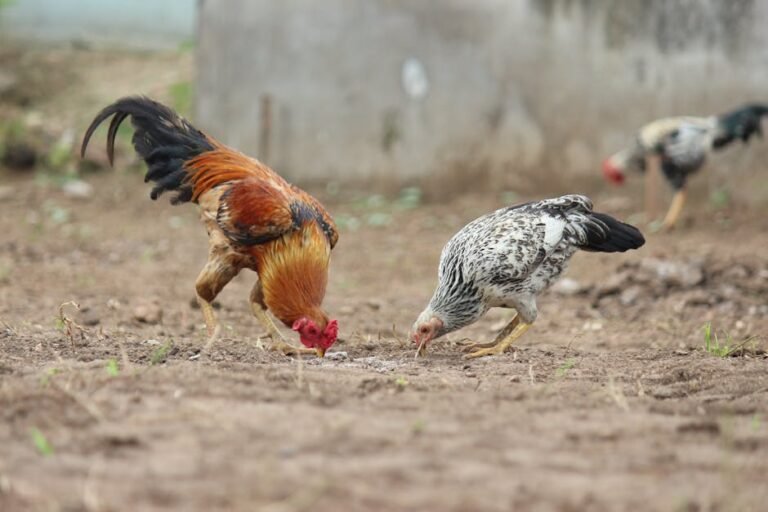
Another significant advantage of using chicken feeders is that they minimize contact with feces and pests. When chickens eat directly from the ground, there is a higher risk of them coming into contact with their own droppings or attracting pests such as rodents or insects. Chicken feeders elevate the feed off the ground and provide a barrier that prevents direct contact with feces. This not only maintains a cleaner feeding environment but also reduces the chances of disease transmission and pest infestation.
1.1 How Chicken Feeders Affect Food Waste
Proper chicken feeders are essential for reducing food waste and saving money in the long run. Not only do they help minimize spillage, but they also prevent excess feed from being scattered. By considering different feeder designs, anti-waste grids, positioning and height adjustments, proper levels, feeder size, and access points, you can effectively manage food waste and ensure your flock gets the nourishment they need.
Different Feeder Designs That Minimize Spillage
When selecting a chicken feeder, it’s important to choose a design that minimizes spillage. Some popular options include:
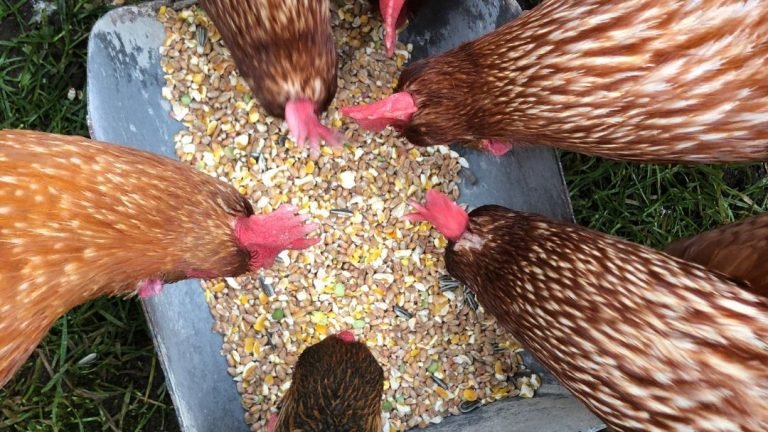
- Trough feeders: These long, narrow feeders allow multiple chickens to feed at the same time, reducing competition and spillage.
- Tube feeders: These feeders have narrow openings that only allow chickens to peck at small amounts of feed at once, minimizing waste.
- Gravity feeders: These feeders use gravity to release feed as needed, preventing overfilling and spillage.
Anti-waste Grids Or Mechanisms That Prevent Excess Feed From Being Scattered
To further prevent feed from being scattered, some chicken feeders come with anti-waste grids or mechanisms. These help ensure that chickens can only access a small portion of the feed at a time, reducing the likelihood of them kicking it out of the feeder.
Proper Positioning And Height Adjustments
The positioning and height of the chicken feeders matters in minimizing food waste. Placing the feeders at an appropriate height helps prevent chickens from scratching out feed onto the ground. Additionally, ensuring that the feeders are securely positioned can prevent accidental knocking over or spillage.
Placing Feeders At The Right Level To Avoid Chickens Scratching Out Feed
Chickens have a natural instinct to scratch and peck at their food, which can lead to unnecessary waste. By placing the feeders at the right level, you can minimize the chances of chickens scratching out feed onto the ground. This ensures that more of the feed is consumed, reducing overall waste.
Choosing The Right Feeder Size For Flock Needs
Choosing the right feeder size is essential to meet the needs of your flock. If the feeder is too small, it can lead to overcrowding, competition, and excess feed consumption. On the other hand, a feeder that is too large may result in more waste as the chickens have more space to kick out feed. Consider the size of your flock and their feeding habits when selecting the appropriate feeder size.
Ensuring Enough Access Points To Prevent Overcrowding And Excess Feed Consumption
Providing enough access points is crucial to prevent overcrowding and excess feed consumption. If there aren’t sufficient access points, some chickens may not get their fair share of the feed, leading to increased competition and waste. Ensure that each chicken has easy and equal access to the feeders to minimize these issues.
2. Types Of Chicken Feeders
When it comes to feeding your chickens, choosing the right feeder is crucial. Not only does it ensure that your flock gets the nutrition they need, but it also helps prevent wastage and keeps the feeding area clean. In this section, Here’s the three most common types of chicken feeders: traditional hanging feeders, treadle feeders, and automatic gravity feeders. Each type has its own pros and cons, so let’s take a closer look.
Traditional Hanging Feeders
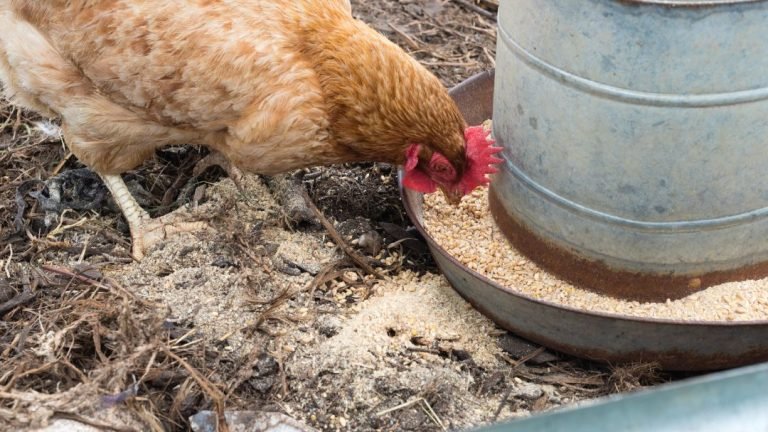
Traditional hanging feeders are a popular choice among chicken owners for their simplicity and affordability. These feeders consist of a cylindrical container that hangs from a wire or chain. Chickens feed by pecking at the feed, which is dispensed through small openings at the bottom of the container.
Pros:
- Low cost and widely available
- Easy to refill and clean
- Can be hung at different heights to accommodate different chicken ages and sizes
Cons:
- Prone to wastage as chickens can scratch out or spill feed
- May attract pests and wild birds if not covered properly
- Not suitable for large flocks as they need frequent refilling
Treadle Feeders
Treadle feeders are designed to minimize wastage and protect the feed from pests. These feeders have a platform with a weighted lid that opens when a chicken steps on it. This mechanism allows chickens to access the feed while keeping it safe from rodents, wild birds, and other pests.
Pros:
- Reduces wastage as chickens need to step on the treadle to access the feed
- Protects feed from pests and contamination
- Can hold a larger amount of feed, reducing the need for frequent refilling
Cons:
- More expensive than traditional hanging feeders
- Requires training for chickens to learn how to use the treadle
- Not suitable for chicks or small chicken breeds due to the weight required to open the lid
Automatic Gravity Feeders
Automatic gravity feeders are a convenient option for chicken owners who want to ensure a constant supply of feed without the need for frequent refilling. These feeders feature a container that holds a large amount of feed and dispenses it gradually as the chickens eat, relying on gravity to keep the feed flowing.
Pros:
- Can hold a large amount of feed, ideal for larger flocks
- Reduces the need for frequent refilling
- Ensures a constant supply of feed, even when you’re away
Cons:
- More expensive than traditional hanging feeders
- May require adjustments to control the flow of feed
- Not suitable for small or lightweight feeds that may get stuck or clog the dispenser
2.1 Traditional Hanging Feeders
Traditional hanging feeders are a simple and cost-effective option for feeding your chickens. These feeders are suspended from a height, allowing your flock to peck at the feed from below. Here’s everything you need to know about this type of feeder:
Simple And Cost-effective Option
Hanging feeders are a straightforward solution that doesn’t break the bank. They usually consist of a container or tray that is hung at a convenient height, making it easy for chickens to access their food. These feeders can be made from various materials such as plastic or metal, providing options that suit different budgets and preferences.
Easy To Fill And Clean
When it comes to convenience, traditional hanging feeders take the prize. They are designed with simplicity in mind, allowing you to easily fill them with chicken feed. Plus, cleaning these feeders is a breeze as they can be detached and washed separately. With less time spent on maintenance, you can focus on other essential tasks in caring for your flock.
Risk Of Waste Due To Spillage Or Scratching Behavior
However, it’s essential to be aware of the potential for waste with hanging feeders. Chickens have a natural tendency to scratch and peck, which can lead to spillage when using these feeders. As a result, your feathered friends may end up wasting some of their valuable feed while rummaging around. Therefore, it’s vital to consider this factor when deciding on a feeder that best suits your flock’s behavior.
Anti-waste Modifications Available
Fortunately, there are anti-waste modifications that can be added to traditional hanging feeders. These modifications help minimize feed wastage caused by spillage or scratching behavior. For example, some feeders come with grids or partitions that restrict how much feed can be accessed at once, preventing excess spillage. Investing in such modifications can help you reduce waste and ensure that your flock gets the most out of their feed.
Suitable For Small Flocks Or Limited Space
Another advantage of traditional hanging feeders is their suitability for small flocks or limited space. If you have a small number of chickens or a compact coop, these feeders can be a practical choice. Their space-saving design allows you to hang them up high, making it easier to maximize available room for your feathered friends without sacrificing convenience or accessibility to their food.
2.2 Treadle Feeders
When it comes to efficient feeding systems for your chickens, treadle feeders are a fantastic option. Designed with both functionality and practicality in mind, these feeders offer a number of benefits that make them an excellent choice for medium to large flocks.
Minimizes Waste And Prevents Pests
Treadle feeders are specifically engineered to minimize feed wastage and prevent unwanted pests from accessing the feed. The mechanism is simple yet brilliant: the feeder is activated by the weight of the chicken stepping on the treadle, causing the lid to open and allow access to the food. This ingenious design ensures that only your chickens have access to the feed, preventing wild birds and rodents from stealing their sustenance.
This not only helps to maintain the hygiene and cleanliness of the feeding area, but also eliminates the need for constant monitoring and pest control measures. By reducing waste and preventing the attraction of pests, treadle feeders help to save both time and money in the long run.
Requires Training For Chickens To Use
While the concept of treadle feeders is simple, it’s important to note that some training is required for your chickens to effectively utilize this feeding system. As the chickens step on the treadle to access the feed, they need to learn the movement required to open the lid. Fortunately, chickens are intelligent creatures and are quick to adapt.
Tips For Successful Training
Here are a few tips to ensure successful training when introducing treadle feeders to your flock:
- Gradual introduction: Gradually transition your chickens from their current feeding system to the treadle feeder. Start by placing some of their favorite treats near the feeder to encourage exploration and familiarity.
- Patience is key: Allow your chickens the time they need to become comfortable with the new feeding system. It may take a few weeks for them to fully grasp the concept and confidently use the treadle feeder.
- Positive reinforcement: Reward your chickens with treats each time they successfully use the treadle feeder. This positive reinforcement will motivate them to continue using it.
- Accessibility: Ensure that the treadle feeder is at a comfortable height for your chickens. Adjust the height if necessary to make it easily reachable for them.
By following these tips, you can effectively train your chickens to use treadle feeders and reap the numerous benefits they offer.
treadle feeders are an ideal choice for medium to large flocks due to their waste-minimizing and pest-preventing capabilities. With a little training, your chickens will quickly learn to utilize this efficient feeding system, and you can enjoy the convenience and cost savings it brings. Consider incorporating treadle feeders into your poultry setup and witness the difference it makes in the overall management of your flock.
2.3 Automatic Gravity Feeders
For busy or absent chicken keepers, automatic gravity feeders offer a convenient solution to ensure a continuous supply of feed without the need for manual refilling. These ingenious contraptions are designed to provide your feathered friends with a consistent source of nourishment while saving you time and effort.
Continuous Supply Of Feed Without Manual Refilling
With automatic gravity feeders, you can say goodbye to the hassle of daily refilling. These feeders are specially designed to hold a large quantity of feed, allowing it to gradually dispense into the feeding tray as the chickens consume it. This feature ensures a continuous supply of feed, even if you are busy or unable to tend to your flock daily.
Battery-operated Or Solar-powered Options Available
When it comes to powering an automatic gravity feeder, you have options to suit your needs. Some models are designed to be battery-operated, making them a reliable choice even in areas with limited access to electricity. On the other hand, there are also solar-powered automatic gravity feeders available for those who prefer an eco-friendly and cost-effective solution.
Proper Maintenance And Monitoring Required
While automatic gravity feeders offer convenience, it’s essential to remember that they still require proper maintenance and monitoring. Regularly inspect the feeder for any signs of wear and tear, and clean it to prevent the buildup of mold or mildew. Additionally, monitor the feed levels to ensure an adequate supply for your chickens.
Ensuring Feed Levels And Preventing Clogs
One crucial aspect of using automatic gravity feeders is to ensure a consistent feed level. Monitor the feeder regularly to avoid any unforeseen gaps in the supply. Additionally, check for clogs in the feeding mechanism, as these can disrupt the flow of feed and leave your chickens hungry. By taking these precautions, you can help ensure your feathered friends always have access to the sustenance they need.
When it comes to feeding your chickens efficiently and conveniently, automatic gravity feeders are an excellent choice. With their ability to provide a continuous supply of feed without manual refilling and options for battery or solar power, they cater to the needs of busy or absent chicken keepers. However, remember to properly maintain and monitor these feeders to ensure their functionality and prevent any disruptions in feed supply. By prioritizing the feed levels and preventing clogs, you can ensure your feathered friends are always well-fed and content.
3. Factors To Consider When Choosing Chicken Feeders
3. Factors to Consider When Choosing Chicken Feeders
When it comes to selecting the right chicken feeders for your flock, there are several important factors you should consider. By taking these factors into account, you can ensure that your chickens have access to their feed in a convenient and efficient manner. Below are the key factors that you need to keep in mind while choosing the chicken feeders:
Number And Size Of Chickens In The Flock
The number and size of your chickens will matters in determining the type of chicken feeder you should invest in. If you have a large flock, you will require a feeder with a larger capacity to accommodate the needs of all your chickens. On the other hand, if you have a small flock, a smaller feeder might be sufficient. It’s important to ensure that there is enough space for each chicken to access the feeder comfortably, regardless of the flock size.
Available Space And Coop Design
The available space in your chicken coop and the design of the coop will also influence your choice of chicken feeders. If you have limited space, you might prefer a feeder that can be mounted on a wall or hung from the ceiling. Alternatively, if you have ample space, you may opt for a freestanding feeder. Additionally, take into consideration the coop design when selecting a feeder to ensure that it can be easily integrated and accessed by your chickens.
Budget Considerations
When it comes to purchasing chicken feeders, your budget is an essential factor to consider. While there are various options available in the market, their prices can vary significantly. It’s important to strike a balance between quality and affordability. Assess your budget and determine how much you are willing to spend on a feeder. Remember that investing in a high-quality feeder can be a cost-effective choice in the long run, as it can contribute to the overall health and well-being of your flock.
Ease Of Cleaning And Maintenance
Keeping the chicken feeders clean is vital to prevent the spread of diseases and maintain the hygiene of your flock. Look for feeders that are easy to clean and maintain. Feeder designs with smooth surfaces and removable parts often facilitate the cleaning process. Consider how easy it will be to access the feeder for cleaning and maintenance purposes before making a purchase decision.
Durability And Material Quality
Lastly, consider the durability and material quality of the chicken feeders. Invest in feeders that are made from sturdy, long-lasting materials such as galvanized steel or high-density plastic. These materials can withstand the harsh outdoor elements and the pecking of chickens. Additionally, ensure that the feeder is designed to withstand wear and tear, so it can provide many years of service without needing frequent replacements.
3.1 Flock Size And Feeder Capacity
When it comes to keeping a happy and healthy flock, providing the right feeding environment is essential. One key factor to consider is matching the feeder capacity with the size of your flock. This ensures that your chickens have access to enough feed without overcrowding or excessive consumption. In this section, Here’s the importance of managing flock size and feeder capacity effectively.
Matching Feeder Capacity With Flock Size
To maintain a balanced and efficient feeding routine, it is crucial to choose a feeder that can accommodate the number of chickens in your flock. Feeder capacity refers to the amount of feed that a feeder can hold at one time. By selecting a feeder with an appropriate capacity, you can prevent issues such as feed spillage, wastage, and fighting among your chickens.
A general rule of thumb is to provide each chicken with around 4-6 inches of feeder space. This allows them to comfortably access the feed without overcrowding. If you have a small flock of 3-4 chickens, a feeder with a capacity of 10-15 pounds would be sufficient. On the other hand, larger flocks of 10-15 chickens may require feeders with capacities ranging from 20-30 pounds. It’s important to assess your specific flock size and choose a feeder accordingly.
Avoiding Overcrowding And Excessive Feed Consumption
Overcrowding at the feeder can lead to several problems. Chickens may become aggressive and fight over access to the feed, causing stress and potential injuries. Moreover, dominant chickens may monopolize the feeder, denying other chickens their fair share of food. This can result in malnutrition, reduced egg production, and other health issues.
By providing an adequate number of feeders relative to the size of your flock, you can avoid overcrowding and ensure each chicken has equal access to the feed. This promotes a peaceful feeding environment and prevents excessive feed consumption, saving you money in the long run.
Adjusting Feeder Quantity For Larger Flocks
If you have a larger flock of chickens, it is advisable to have multiple feeders spread throughout the coop or run area. This ensures that all chickens have convenient access to the feed, regardless of their position in the flock’s social hierarchy. By having multiple feeders, you can distribute the flock’s feeding activity, reducing competition and stress.
For example, if you have a flock of 20 chickens, it would be ideal to provide four feeders with a capacity of 10 pounds each. This allows for better dispersion of chickens and minimizes overcrowding at any one feeder. Remember to position the feeders in different areas to encourage movement and exercise among your chickens.
Properly managing feeder quantity for larger flocks not only promotes happier and healthier chickens but also optimizes feed utilization and reduces wastage. Moreover, you can observe individual chicken’s eating behaviors and detect any potential health issues early on when the feeding activity is spread out.
By matching feeder capacity with flock size, avoiding overcrowding, and adjusting feeder quantity for larger flocks, you can create an optimal feeding environment that benefits both your chickens and your wallet. So, take the time to assess your flock’s needs and invest in the right chicken feeders for a hassle-free feeding experience.
3.2 Space And Coop Design Considerations
3.2 Space And Coop Design Considerations
When it comes to choosing the right chicken feeder for your coop, considering the available space and the design of your coop is crucial. Different coop designs require different types of feeders to ensure efficient feeding and minimize wastage. In this section, we will explore various factors to consider when selecting chicken feeders based on the available space and coop design.
Choosing Feeders Based On Available Space
One of the primary considerations for selecting a chicken feeder is the amount of space available in your coop. Depending on whether you have a small or large coop, you can choose feeders that best fit the available space. Here are a few options:
Hanging feeders for vertical coop designs
If you have a vertical coop with limited floor space, hanging feeders are an excellent choice. These feeders are suspended from the top of the coop, allowing birds to access the feed easily without occupying valuable floor space. Hanging feeders also provide the advantage of keeping the feed clean and protected from droppings or dirt on the floor.
Floor-based feeders for horizontal coop designs
For horizontal coop designs with ample floor space, floor-based feeders can be a practical option. These feeders are placed on the floor and allow chickens to freely access the feed at ground level. Floor-based feeders are suitable for coops with chickens that are comfortable with feeding from the floor.
Considering coop access and protection from elements
In addition to the available space, it is essential to consider coop access and provide protection from the elements when choosing a chicken feeder. Feeders should be conveniently located and easily accessible for both chickens and coop owners.
Furthermore, it is crucial to protect the feed from rain, snow, or excessive sunlight, as these factors can spoil the feed and lead to wastage. Opting for feeders with covers or placing them under a shelter can help protect the feed from these external elements, ensuring that your chickens always have access to fresh and dry food.
Doors or compartments to prevent feed spillage and contamination
To prevent feed spillage and contamination, it is beneficial to consider feeders with doors or compartments. These features ensure that chickens cannot scratch or push the feed out of the feeder unintentionally. By restricting access to the feed, these feeders promote a cleaner feeding environment and reduce feed wastage.
choosing the right chicken feeder based on the available space and coop design is essential to ensure efficient feeding and minimize feed wastage. By considering factors such as coop layout, coop access, and protection from elements, and opting for feeders with doors or compartments, you can provide your flock with a clean and convenient feeding experience. Take the time to assess your coop’s unique requirements and select the chicken feeder that best suits your needs.
3.3 Budget Considerations And Long-term Durability
Evaluating Cost-effectiveness
When it comes to choosing a chicken feeder, it’s crucial to consider both your budget constraints and the long-term durability of the feeder. By evaluating the cost-effectiveness of different options, you can make an informed decision that ensures you get the most bang for your buck.Initial Investment Vs. Long-term Savings From Reduced Feed Waste
One important aspect to consider is the initial investment versus the long-term savings that can be achieved by using a particular chicken feeder. While a budget-friendly feeder may seem enticing at first, it may not necessarily be the most cost-effective option in the long run. Cheaper feeders might be less durable and prone to damage, resulting in increased feed waste and higher costs over time.It’s worth investing in a quality feeder that may have a higher initial cost but can save you money in the long term. These feeders are often designed with features that reduce feed waste, such as anti-waste grids or adjustable feeding mechanisms. By preventing unnecessary spillage and ensuring efficient access to the feed, these feeders can help you save a significant amount of money on feed costs over time.Assessing Feeder Material Quality And Durability
Another important factor to consider when evaluating budget options is the material quality and durability of the feeder. Different materials, such as plastic, metal, or others, can significantly impact the lifespan and overall performance of the feeder.While plastic feeders are generally more affordable, they might not withstand harsh weather conditions or the pecking behavior of chickens. Metal feeders, on the other hand, tend to be more durable and resistant to damage, but they can be pricier. Assessing the material quality and durability of each feeder option is crucial to ensure you choose a feeder that can withstand the test of time.In addition to the material itself, consider any additional features that enhance durability. Look for feeders with reinforced corners or UV-resistant coatings for outdoor use. These options might be slightly more expensive, but they offer better protection against wear and tear, resulting in a longer lifespan.By carefully evaluating the cost-effectiveness, initial investment versus long-term savings, and material quality and durability of different chicken feeders, you can choose a feeder that fits your budget while ensuring it lasts for years to come. Remember, investing in a high-quality feeder ultimately pays off by reducing feed waste, minimizing replacement costs, and providing your chickens with a reliable and efficient feeding solution.4. Popular Chicken Feeders Compared
How we chose: we compared manufacturer specifications and Amazon owner ratings (as of September 2026). We have not tested these feeders ourselves. Ratings and prices change, so check the listing before you buy.
4.1 Harris Farms Galvanized Hanging Feeder (15 lb)
Type: Hanging. Amazon rating: 4.5 out of 5 from 3,951 owner ratings (September 2026).
- Heavy-duty galvanized steel with rolled edges and a carry/hanging handle.
- Spring-loaded clips make it quick to set up and adjust the feed flow.
- The pan design is meant to cut spillage, and hanging it at back height keeps litter out of the feed.
Good to know: Being open, it does nothing to keep rodents or wild birds out, so bring it in or empty it overnight if pests are a problem.
4.2 Grandpa's Feeders Automatic Treadle Feeder (20 lb)
Type: Treadle. Amazon rating: 4.3 out of 5 from 1,495 owner ratings (September 2026).
- The lid opens only when a chicken steps on the treadle, keeping rats, wild birds and rain out of the feed.
- An anti-flick grill stops birds from raking feed onto the floor.
- Galvanized steel, and the maker says a 20 lb load feeds about six hens for up to two weeks.
Good to know: Most flocks need a few days of training (propping the lid open at first) before every bird uses the treadle.
4.3 OverEZ Chicken Feeder (50 lb)
Type: Gravity. Amazon rating: 4.5 out of 5 from 1,764 owner ratings (September 2026).
- Holds up to 50 lb of feed, with three feeding ports so several birds can eat at once.
- The ports are shaped to stop birds soiling or flicking feed, and to shed rain when used outdoors.
- UV-protected, food-safe, BPA-free plastic that you fill from the ground through a wide opening.
Good to know: Its size is ideal for larger flocks but overkill for two or three hens, where feed can go stale before it is eaten.
Conclusion
To wrap it up, these top chicken feeders provide the perfect solution for keeping your flock well-fed and happy. With a range of options to suit different budgets and needs, you can easily find the best fit for your coop.
From the reliable and affordable to the high-end, this comprehensive guide has covered all the essentials for choosing the right feeder. Don’t compromise on the health and nutrition of your chickens – invest in a quality chicken feeder today!