This article contains affiliate links. As an Amazon Associate, Grow Chicken earns from qualifying purchases, at no extra cost to you. Learn more.
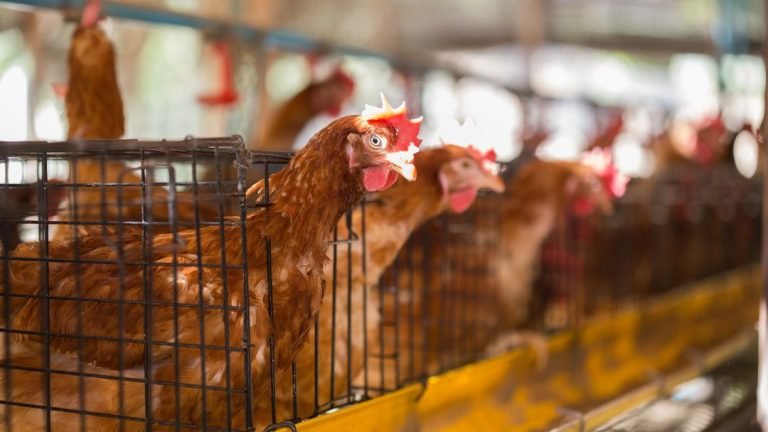
Laying hens need a lot of calcium: every eggshell is almost pure calcium carbonate and holds roughly 2 grams of calcium, so a hen laying most days needs about 4 grams a day. A good layer feed supplies most of that, and a dish of oyster shell on the side lets each hen top up what she needs. This guide covers how much calcium hens need, the best supplements, how to feed eggshells safely, and the warning signs of too little or too much.
Key Takeaways
- Feed laying hens a layer feed (usually about 3.5–4.5% calcium) and offer oyster shell free-choice in a separate dish.
- Don’t give layer feed or extra calcium to chicks, growing pullets or a flock of roosters: too much calcium can damage their kidneys.
- Thin, soft or shell-less eggs are the classic sign that a hen is short of calcium.
- Vitamin D3 is needed to absorb calcium, so sunlight and a fortified feed matter as much as the calcium itself.
Why Laying Hens Need Extra Calcium
An eggshell is about 95% calcium carbonate. A hen builds most of the shell overnight, in the roughly 20 hours the egg spends in the shell gland, and she draws the calcium from two places: what is in her gut from recent meals, and a special store of calcium in her bones (medullary bone). If her diet can’t keep up, she drains that bone store, which leads to weak shells first and weak bones later.
Calcium also matters for muscle contractions, including the ones that push the egg out. That is why a calcium-short hen is more likely to become egg bound.
How Much Calcium Do Chickens Need?
Needs depend almost entirely on whether the bird is laying:
| Bird | Typical feed | Calcium in the diet | Extra calcium? |
|---|---|---|---|
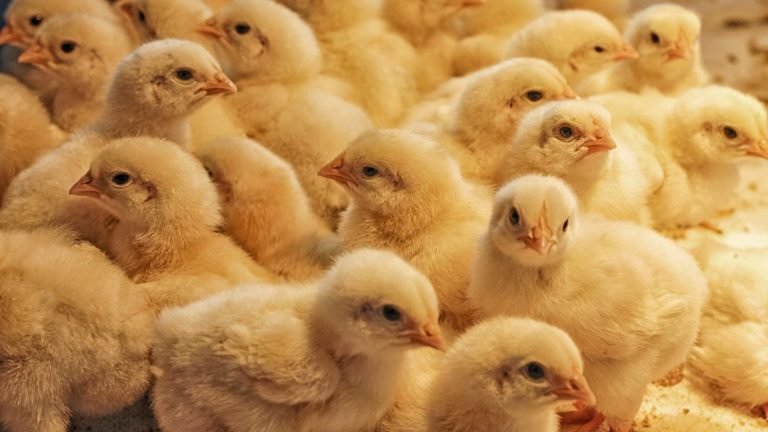
| Chicks (0–8 weeks) | Chick starter | About 1% | No |
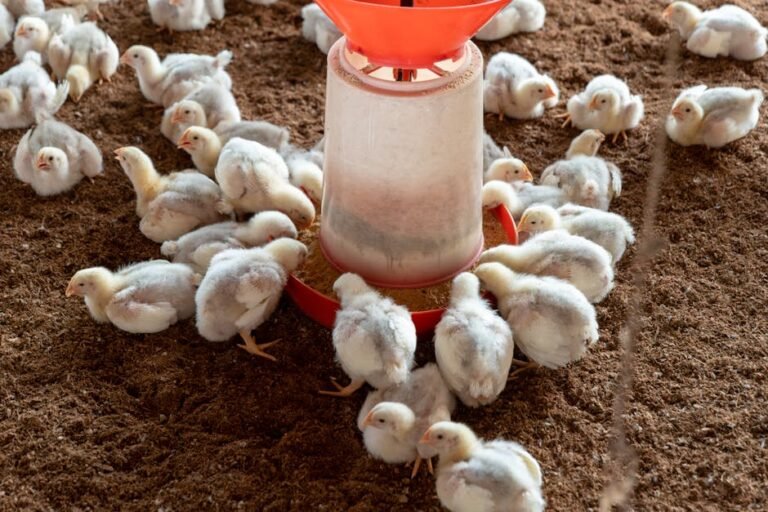
| Growing pullets (8 weeks to first egg) | Grower or starter-grower | About 1% | No |
| Laying hens | Layer feed | About 3.5–4.5% | Yes: oyster shell free-choice |
| Roosters and non-laying birds | All-flock or grower | About 1% | Not needed (they usually ignore oyster shell) |
Check your bag’s label for its exact calcium figure. Start layer feed when the first eggs appear, or at around 18 weeks. Until then, keep pullets on grower feed.
The Best Calcium Supplements for Chickens
1. Oyster Shell (the Standard Choice)
Crushed oyster shell is cheap, clean and made for the job. The coarse pieces stay in the gizzard for hours and release calcium slowly, which suits hens that form their shells overnight. Offer it free-choice in a separate dish rather than mixing it into the feed, so each hen takes what she needs. See why chickens need oyster shells for more detail.
2. Crushed Eggshells (Free, If Prepared Right)
Your own eggshells are a free calcium source. Rinse them, dry or bake them (about 10 minutes in a low oven, around 250°F / 120°C) so they are brittle and clean, then crush them into small pieces. Crushing them well matters: hens that recognise whole shells as eggs can learn to eat their own eggs. Many keepers mix eggshell into the oyster shell dish.
3. Feed-Grade Limestone
Limestone (calcium carbonate) is what most commercial feeds use. Coarse “layer grit” or limestone chips work like oyster shell. Only use feed-grade products: garden or builder’s products may contain other minerals or contaminants.
4. Liquid Calcium With Vitamin D3 (Short-Term Use)
Liquid calcium or calcium-plus-D3 products are used for a short time to help an egg-bound hen or one laying shell-less eggs. They are not a daily supplement. Follow the label, and involve a vet for an egg-bound hen.
Oyster shell | Check Price | |
Oyster shell | Check Price | |
Layer feed | Check Price |
Signs of Calcium Deficiency in Chickens
- Thin, rough, wrinkled or soft-shelled eggs
- Shell-less eggs (only the membrane) or eggs that crack in the nest
- Fewer eggs than expected from a young hen
- Hens straining in the nest or becoming egg bound
- A laying hen that suddenly seems weak or can’t stand, from severe depletion of her bone calcium (see a vet quickly)
- Hens pecking at and eating eggs, sometimes a sign they are craving calcium (see soft-shelled eggs)
One odd egg now and then is normal, especially from a new layer or an older hen. A pattern across several eggs or several hens points at the diet.
Can Chickens Get Too Much Calcium?
Yes, and it happens to the birds that are not laying. Chicks, growing pullets and roosters fed layer feed long-term can develop kidney damage and gout-like problems, because they have no eggshell to put the extra calcium into. For a mixed flock, feed an all-flock or grower ration to everyone and put oyster shell out separately: the layers will eat it and the others mostly won’t.
Tips for Getting the Most From Calcium
- Vitamin D3: hens need it to absorb calcium. Layer feeds are fortified, and time in the sun helps. Hens kept indoors in winter are more likely to lay weak shells.
- Keep treats under about 10% of the diet. Scratch grains, bread and kitchen scraps dilute the calcium (and balance of phosphorus) in a layer ration.
- Watch high-oxalate greens. Spinach, beet greens and rhubarb leaves bind calcium; rhubarb leaves are toxic anyway.
- Heat waves: hens eat less in hot weather and take in less calcium, so keep oyster shell topped up.
- Older hens lay larger eggs with thinner shells, so they benefit most from free-choice oyster shell.
- Grit is different: oyster shell dissolves; insoluble grit grinds food. Free-range hens usually find grit, but offer both if your birds are confined.
FAQs
Should I mix oyster shell into the feed?
It is better in a separate dish. Mixed in, every bird eats it whether it needs it or not, which is a problem for non-layers, and layers can’t adjust how much they take.
How much oyster shell does a hen eat?
It varies with her laying rate, the feed and the weather. That is the point of free-choice: keep the dish topped up and let each hen decide.
Do layer pellets have enough calcium on their own?
For many hens, yes. A free-choice supplement is cheap insurance for heavy layers, older hens and hot weather, when intake from feed drops.
Is a calcium supplement safe for roosters?
Free-choice oyster shell is fine because roosters mostly ignore it. The risk comes from feeding them a high-calcium layer feed for a long time.
When should I start giving oyster shell?
When your pullets start laying, or at around 18 weeks when you switch to layer feed.
Conclusion
For most backyard flocks, calcium is simple: a quality layer feed for hens that are laying, a dish of oyster shell or crushed eggshell on the side, and no extra calcium for chicks, pullets or roosters. Watch the eggs: shell quality is the quickest guide to whether your hens are getting enough.