Should A Chicken Coop be Elevated?
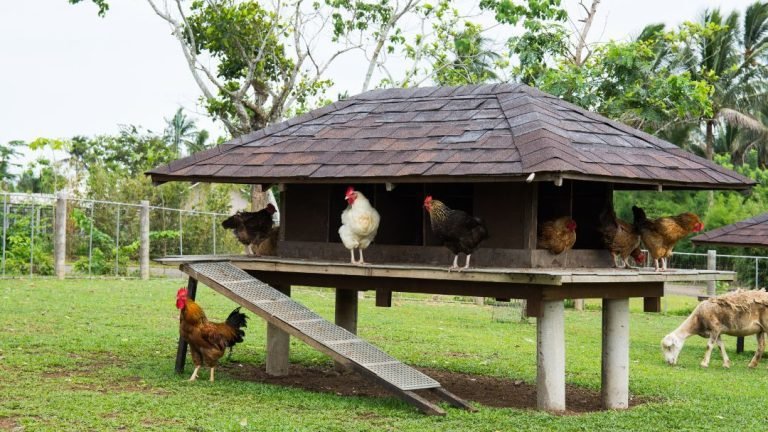
No, elevating a chicken coop is not compulsory, but it offers distinct benefits: better protection from dangerous predators, less moisture buildup, more free-range area underneath, smarter use of small spaces,…


No, elevating a chicken coop is not compulsory, but it offers distinct benefits: better protection from dangerous predators, less moisture buildup, more free-range area underneath, smarter use of small spaces,…

Keep chicken coop bedding at least 3 inches thick. That depth gives enough insulation to handle different climate conditions and protects birds’ feet when they jump down from nesting boxes…
Clean food residues and dirty water daily, change the bedding once or twice a week, and do a top-to-bottom cleanout of the entire coop at least twice a year. No…

A chicken coop needs insulation only when the climate is icy, and even then the amount depends on whether you keep cold-hardy or hot-tolerant breeds. Cold-hardy breeds handle winter with…
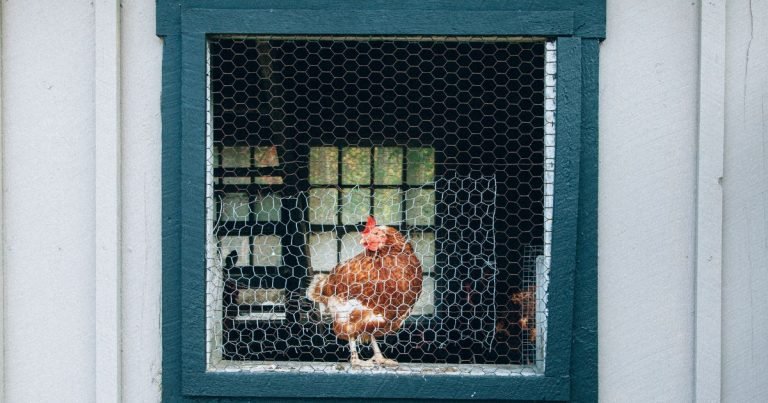
A chicken coop needs 3-4 sqft of ventilation for every 10 sqft of space during summer, and 1-2 sqft per 10 sqft during winter. Heat, ammonia, humidity, and moisture build…

A chicken coop heat lamp schedule depends on the weather and the age of the birds, with cold-weather use mainly for chicks that still need a supplemental heat source. Holding…
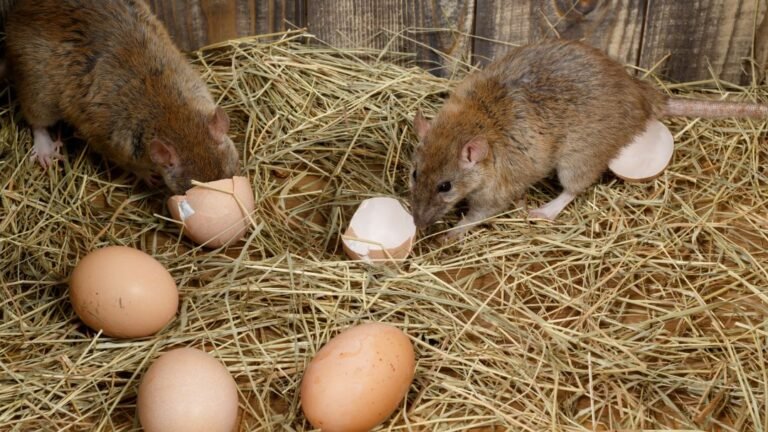
To prevent rats in the chicken coop, implement these seven effective methods. Include secure feed storage, seal entry points, eliminate food sources, regular cleaning, proper ventilation, install wire mesh, and…
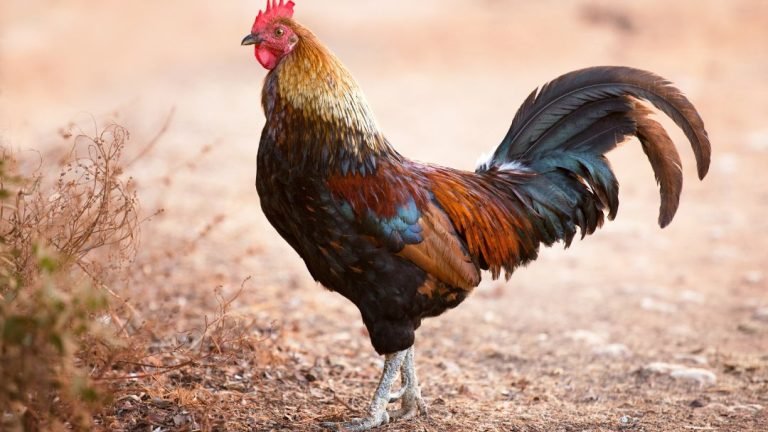
Deworm chickens when a fecal test or clear signs show they need it, not on a calendar. In the US, the only dewormer approved for laying hens that you can buy over the counter is fenbendazole (Safe-Guard AquaSol). It is given in the drinking water for 5 days, and its label requires no egg withdrawal.

To keep chickens cool in summer, provide shade and plenty of fresh water for them to drink. Chickens can easily suffer from heat stress during the hot summer months, which…
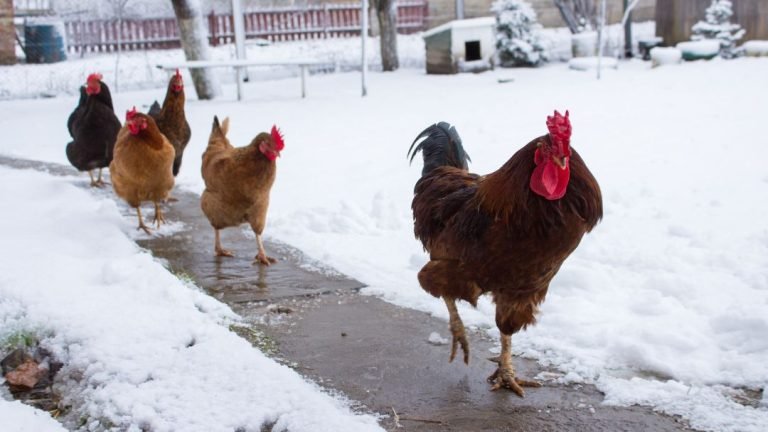
To keep chickens comfortable in winter, give them a dry, well-ventilated but draft-free coop, deep dry bedding, unfrozen water and plenty of feed; most healthy, feathered flocks don’t need added…