Should I Hang My Chicken Feeder
Yes, hanging a chicken feeder is worth it: it protects feed from dirt, contamination, predators, and moisture, and stops chickens from spilling and wasting food. The trade-off is convenience. A…

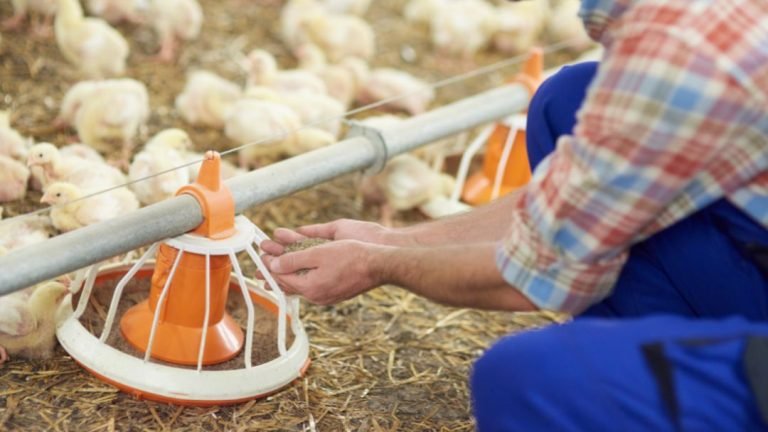
Yes, hanging a chicken feeder is worth it: it protects feed from dirt, contamination, predators, and moisture, and stops chickens from spilling and wasting food. The trade-off is convenience. A…

To clean chicken nesting boxes, collect any eggs, remove the bedding, manure, and debris, scrub the box with a chicken-friendly cleaner, rinse with a garden hose, dry it in the…
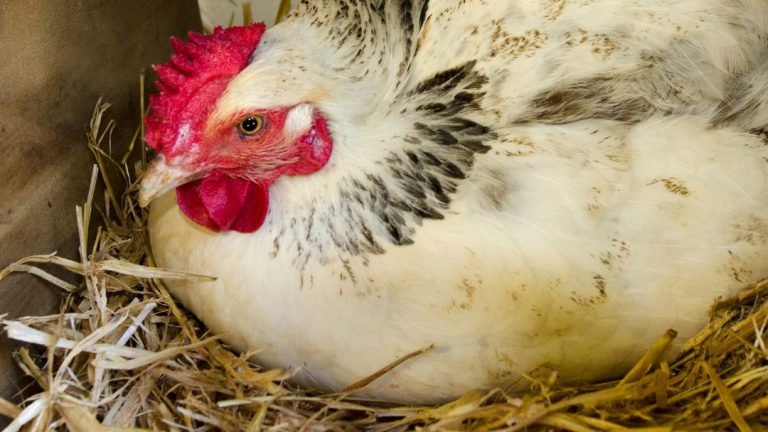
A chicken sitting in the nesting box all day is usually broody, sick, or being disturbed, and a dirty coop or uncomfortable roost can also drive the behavior. On average,…

Put chicken nesting boxes 18 to 20 inches off the ground, opposite the roosting bars and at a lower position, in a spot that is dark, quiet, safe, and less…
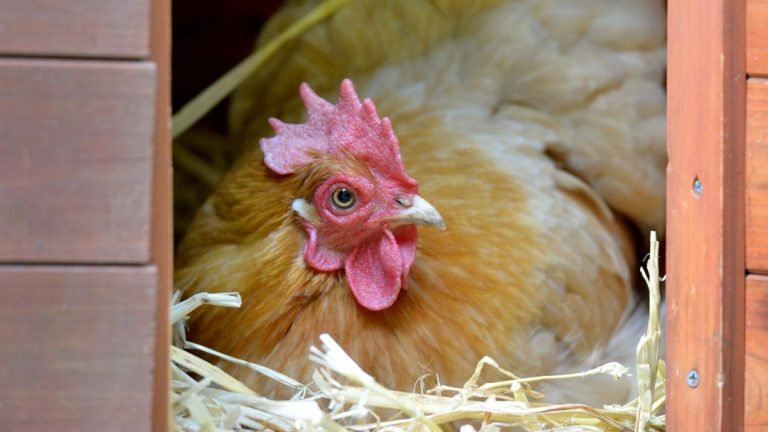
Chicken nesting boxes should be 12 inches wide for regular-sized breeds, around 10 inches for smaller breeds, and about 14 inches for heavier breeds. Width is one of the dimensions…

Chicken nesting boxes do not strictly need a top, but adding one helps shy and calm hens feel safer and keeps the boxes cleaner. A roof creates the darker, more…
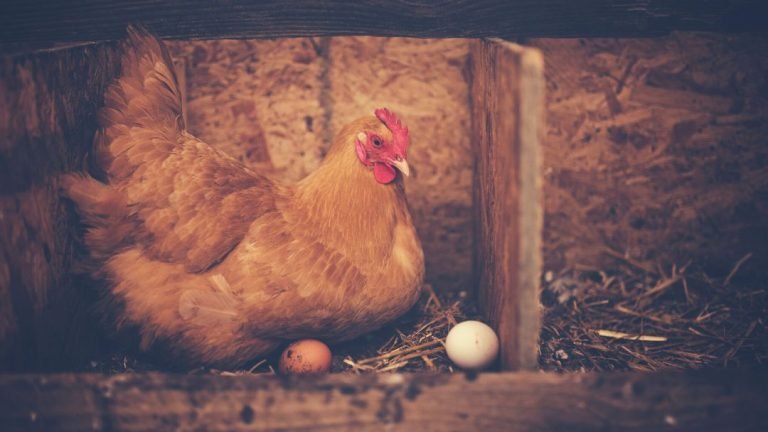
To get chickens to use the nesting box, add enough boxes for your flock, keep them clean, use the right nesting materials, place fake eggs inside, hang curtains to keep…
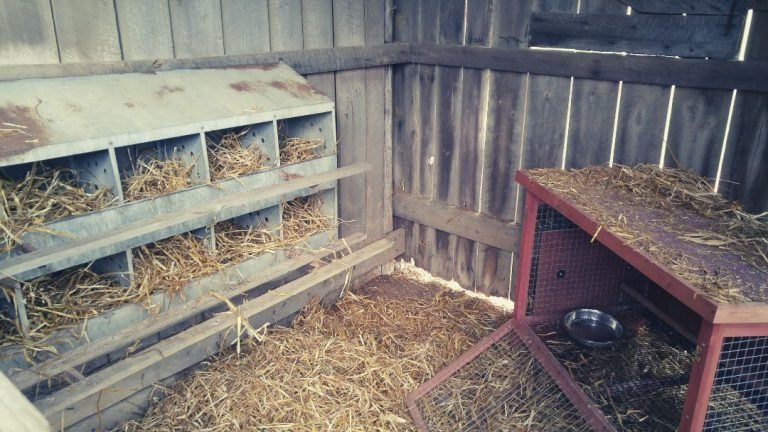
Set up nesting boxes when your chickens are 16-17 weeks old, since most hens start laying eggs at 18-22 weeks. Some breeds take longer to reach point of lay, so…
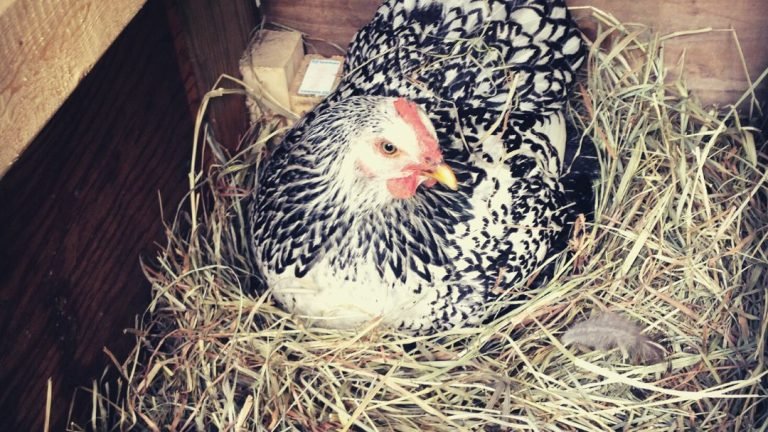
No, each chicken does not need its own nesting box — two or three hens can comfortably share a single box. The exact number you need depends on chicken size,…

A chicken coop does need light during dark conditions because chickens have poor vision in low light and rely on it to find their feed, water, roosts, and nesting boxes….