The Best Type of Wood for Chicken Coop
The best wood for a chicken coop is whichever option among softwood, hardwood, pressure-treated lumber, engineered wood, or plywood best fits your breed, climate, material availability, and budget. There is…


The best wood for a chicken coop is whichever option among softwood, hardwood, pressure-treated lumber, engineered wood, or plywood best fits your breed, climate, material availability, and budget. There is…

No, a chicken coop does not need a rooster — hens lay eggs without one, and a small flock can produce baby chicks with just one rooster among them. A…

A chicken coop size calculator works out the ideal coop space for your flock based on the number of chickens you keep and the size of each bird. Getting coop…

To keep gnats away from the chicken coop, plant citronella or lemongrass nearby to deter gnats and mosquitoes, and use MitesBGone herbal blend, dried lemon balm, or lavender mint refresh…

The ideal humidity for a chicken coop is 50% to 70%, with brooding sessions running a bit higher at 60% to 80%. The exact target inside that range depends on…
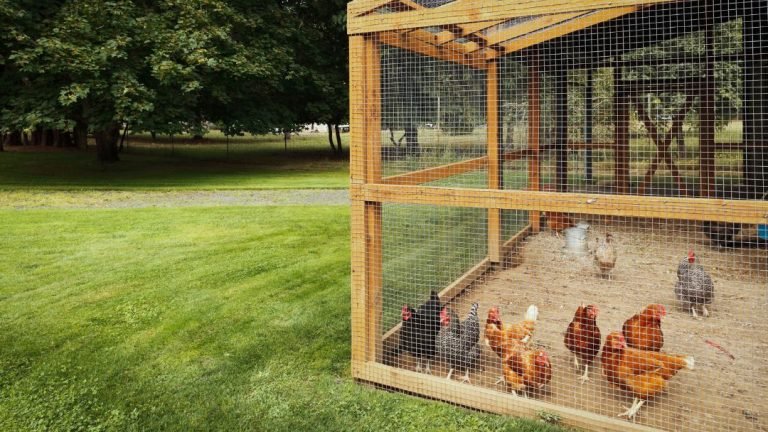
Place a chicken coop on solid ground in your backyard where it gets sunlight, shade, adequate ventilation, room for a big chicken run, a dust bathing area, and some fresh…
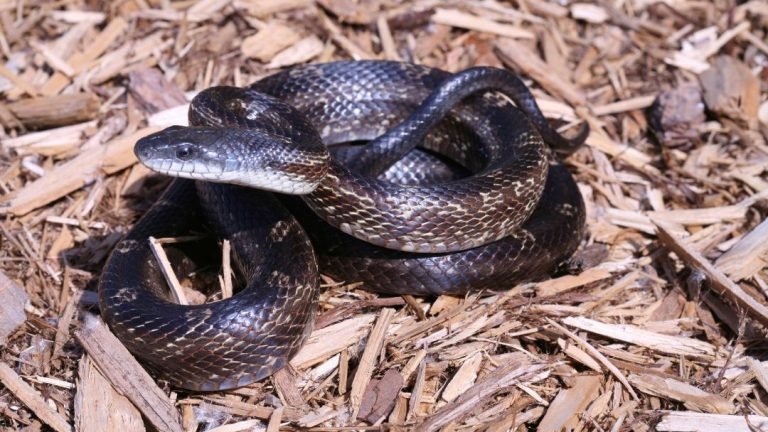
Protect a chicken coop from snakes by using snake-repellent products, cleaning wastage and food residues daily, sealing the coop walls properly, elevating the coop position, and switching to thicker-gauge wire….
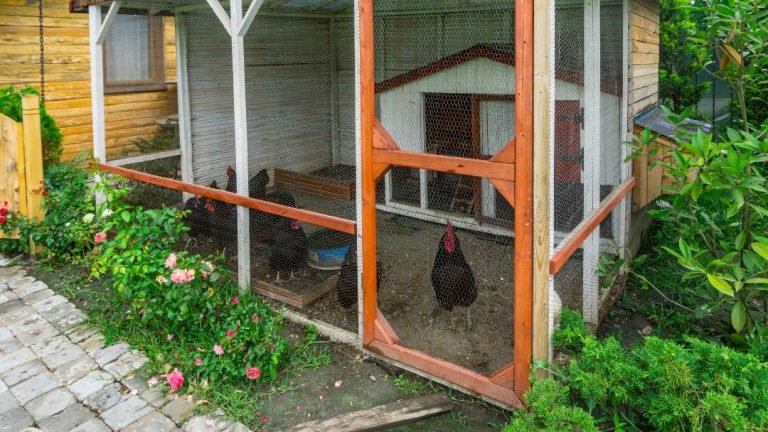
You can plant herbs and greens, vegetables, grains, fruits, shrubs, and small trees next to a chicken coop. The right choice depends on how much space you have available and…

To cut down on flies in the chicken coop, use apple cider vinegar, mixed essential oils, fly traps or sticky strips, or Elector PSP to kill the flies already there,…
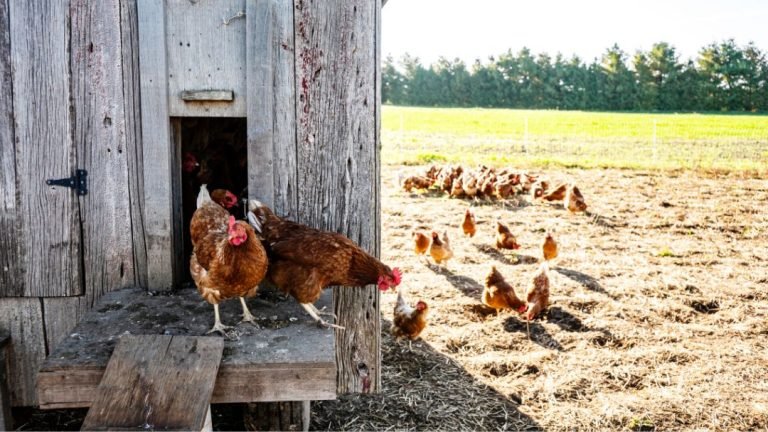
No, do not leave the chicken coop door open at night. Close it once the flock goes in to sleep so predators cannot get to them. Chickens roam the free…