What Does Medicated Chicken Feed Do
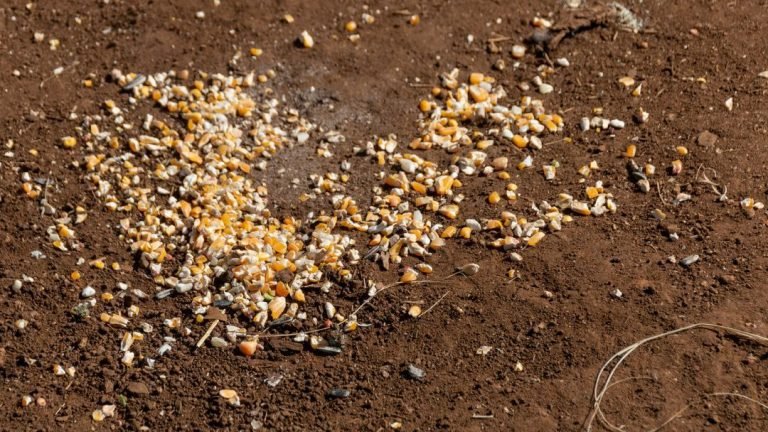
Medicated chicken feed has been around for several decades. The first medicated chicken feed was developed in the 1950s. Ralston Purina introduced it in the United States in the 1950s….

Medicated chicken feed has been around for several decades. The first medicated chicken feed was developed in the 1950s. Ralston Purina introduced it in the United States in the 1950s….

Chickens have been domesticated and kept for their eggs and meat for thousands of years. Earlier, chicken keepers used to feed a mixture of grains, vegetables, and insects. Due to…

Chick starter feed works as a complete feed as it contains around 20-22% protein, 0.08% to 1% calcium, as well as many other nutrients, such as vitamins, minerals, zinc, lysine,…

Raising chickens is a rewarding experience, whether you keep a small backyard flock or manage a larger poultry setup. One of the most important aspects of chicken care is ensuring…

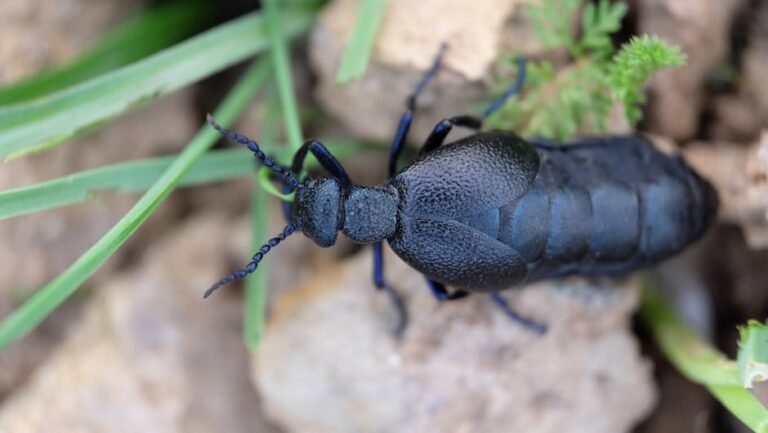
Chickens should not eat blister beetles as they are toxic and can cause harm to the chickens. Insects form a major part of a chicken’s diet, as they are natural…

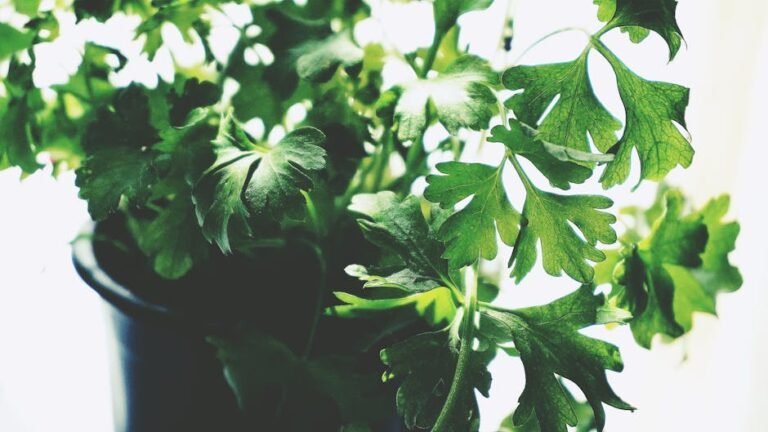
Yes, chickens can eat parsley without any issues. Parsley is safe and nutritious for chickens. Chickens can enjoy the benefits of parsley in their diet. Parsley is a herb that…

Proteins for chickens can be sourced from a variety of options and should be given in optimal doses to support their molt cycle, with some risks to be considered. From…

Yes, chickens can drink milk, but it is not recommended as a regular part of their diet. Chickens are omnivorous birds that primarily feed on seeds, insects, and vegetation. While…

Fermenting chicken feed can be done in 5 easy steps: soaking, draining, fermenting, rinsing, and feeding. Fermenting chicken feed is a simple and effective way to improve digestion and provide…

Yes, chickens can eat bananas and banana peels. They are a nutritious and safe addition to their diet. Bananas are a delicious and nutritious fruit that many of us enjoy….