Health note: This guide is general information, not veterinary advice, and our writers are not veterinarians. If a bird is sick, injured or not improving, contact a poultry vet, and always follow product labels and your vet's instructions for any medication. How we write health content.
No, chickens should not eat blister beetles: the beetles contain cantharidin, a toxin that has killed young chickens and has no antidote. Blister beetles are a real exception among the insects chickens forage, and dead or dried beetles are just as toxic as live ones. This guide covers where chickens meet blister beetles, what poisoning looks like and what to do.
Key Takeaways
- Blister beetles contain cantharidin, which blisters and erodes the lining of the gut and urinary tract.
- Cantharidin poisoning has been documented in chickens and emus as well as horses, cattle and other animals.
- The toxin is not reduced by drying or storage, so beetles baled into alfalfa hay or pellets stay dangerous.
- There is no antidote; a veterinarian can only give supportive care.
- No safe number of beetles has been established for chickens.
Correction: an earlier version of this article claimed studies show chickens can safely eat small amounts of blister beetles, listed coughing, vomiting and urination changes as signs, suggested an antidote medication, and advised planting marigolds and reporting beetle sightings to authorities; these claims were unsupported and have been removed.
Why blister beetles are dangerous
Blister beetles (family Meloidae) produce cantharidin. The Merck Veterinary Manual describes it as a potent blistering agent that irritates the skin and the lining of the digestive tract, urinary tract and blood vessels. It is absorbed quickly from the gut and passed out unchanged through the kidneys.
Two facts make it especially risky. First, cantharidin does not break down when a beetle dies or dries out. Second, the dose needed is small: Merck notes that as little as 4 to 6 grams of dried beetles can kill a horse, an animal many times the size of a hen.
Do blister beetles really poison chickens?
Yes. Merck lists chickens and emus among the species with documented cantharidin poisoning. In South Africa, deaths in young chickens were linked to eating blister beetles: two beetle species were found in the birds’ crops, and the birds had erosive damage in the digestive tract. In Texas, emu chicks were poisoned after eating a blister beetle species called Pyrota insulata.
Some wild birds do eat blister beetles, but that is no reason to test your flock. No safe amount has been worked out for chickens, and young birds are the ones reported to have died.
Where chickens meet blister beetles
More than 200 blister beetle species live across the continental US, and species in the genus Epicauta are most often linked to poisoning. They are native insects, not a reportable pest. Adults feed on flowers and leaves of many plants, including crops in the tomato and bean families and plants in the daisy family. Their larvae live in the soil, where some species eat grasshopper eggs and others raid the nests of ground-nesting bees.
Alfalfa is the hidden source
Blister beetles often cluster in alfalfa, and when the hay is cut and baled, crushed beetles end up inside it. Merck warns that any product containing alfalfa, including cubes, pellets and treats, can contain cantharidin even when no beetles are visible. If you give your flock alfalfa hay or alfalfa-based treats, buy from suppliers who know about blister beetles, and check hay for beetles before use.
- Look for blister beetles on flowers, weeds and garden crops where your birds forage; your county extension office can confirm an identification.
- Wear gloves if you pick them off plants; the University of Maine notes careful handling rarely blisters skin, but thin skin such as between the fingers is more sensitive.
- If a large group settles in your garden, keep chickens out of that area until the beetles move on. See our guide on keeping chickens out of the garden.
Signs to watch for
Poultry-specific signs are poorly documented. What is known is that cantharidin damages the lining of the gut and urinary tract, and in young chickens that died the main finding was erosive damage in the digestive tract. In horses, Merck describes colic, diarrhea, depression, rapid breathing and heart rate, and shock. Watch for:
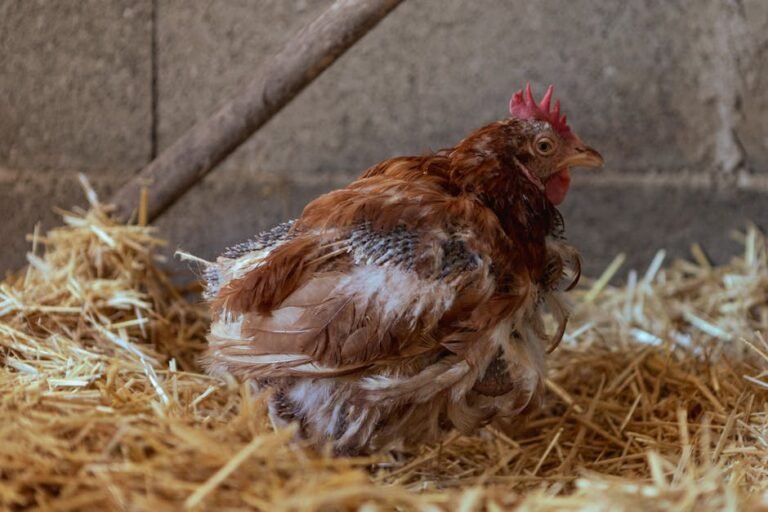
- A bird that is suddenly quiet, weak or hunched
- Loss of appetite or refusal to drink
- Diarrhea or blood in the droppings
- Sudden, unexplained death, especially in young birds that have been foraging
Chickens do not urinate separately; their urinary waste is the white urate part of the droppings, so check droppings rather than looking for “urination” changes.
Sneezing, nasal discharge, gasping or swelling of the head are not typical of blister beetle poisoning and point to infectious disease. Report sick or dying birds with these signs to your state veterinarian or USDA at 1-866-536-7593.
What to do if you suspect poisoning
- Remove the source: take away any alfalfa hay, pellets or treats and keep birds out of the area where you saw beetles.
- Call a veterinarian right away. Early care matters, because activated charcoal is only useful if given soon after the beetles were eaten.
- Move the affected bird to a quiet, separate pen so you can watch it and check its droppings. Poisoning does not spread from bird to bird.
- Keep a sample of the suspect hay or beetles for the vet or diagnostic lab.
There is no antidote for cantharidin. Veterinary treatment is supportive: restoring fluids and electrolytes, especially calcium and magnesium, managing pain and helping the body eliminate the toxin. Severely affected birds may not recover, and a veterinarian can advise on humane euthanasia if a bird is suffering.
Prevention
- Feed a complete layer or grower feed as the main diet. See our chicken feed guide.
- Treat alfalfa products with caution, and inspect hay before putting it in the run or nest boxes.
- Remove blister beetles you see on plants in the chicken area, using gloves.
- Offer safer insect treats such as black soldier fly larvae in moderation.
FAQs
Can one blister beetle kill a chicken?
No safe or lethal number has been established for chickens. Deaths in young chickens have been linked to eating blister beetles, and only a few grams of dried beetles can kill a horse, so treat any known ingestion as a reason to call a vet.
Are dead blister beetles still toxic?
Yes. Cantharidin is not reduced by drying or storage, which is why beetles baled into alfalfa hay remain dangerous.
Is there an antidote for blister beetle poisoning?
No. Treatment is supportive care from a veterinarian, such as fluids, electrolytes and pain relief, with activated charcoal if given early.
Do I need to report blister beetles?
No. They are common native insects. Your county extension office can help identify a beetle if you are unsure.
Conclusion
Blister beetles are one insect your chickens should not eat. Keep an eye on alfalfa hay and pellets, remove beetles from foraging areas, and call a veterinarian quickly if you suspect your birds have eaten them, since there is no antidote.
Sources
- Merck Veterinary Manual: Cantharidin Toxicosis in Animals
- PubMed: Penrith & Naude 1996, Mortality in chickens associated with blister beetle consumption
- PubMed: Barr et al. 1998, Cantharidin poisoning of emu chicks by ingestion of Pyrota insulata
- University of Maine Cooperative Extension: Blister Beetles
- Poultry Extension: Avian Digestive System
- USDA APHIS: Signs of Illness in Poultry
Checked September 2026. Labels change, so always read the label on the product you buy. See our editorial policy for how we research health articles.