Health note: This guide is general information, not veterinary advice, and our writers are not veterinarians. If a bird is sick, injured or not improving, contact a poultry vet, and always follow product labels and your vet's instructions for any medication. How we write health content.
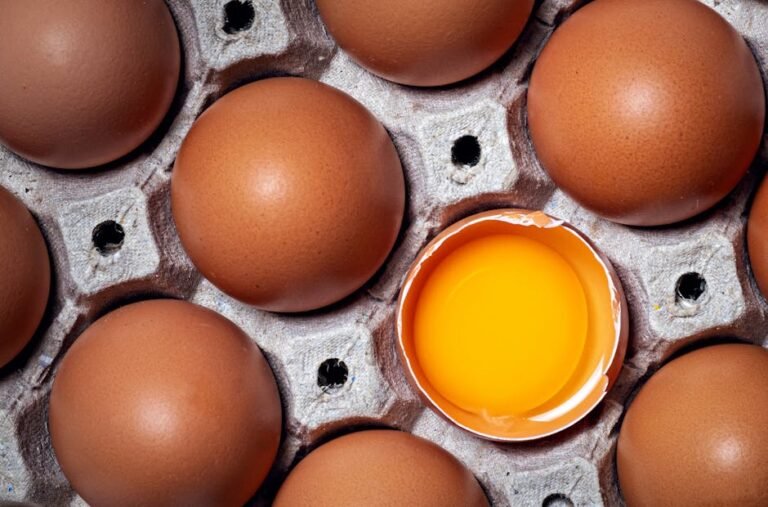
Ivermectin is not FDA-approved for chickens in the US. Using it in a laying flock is “extra-label” use, which for food animals should only happen on a veterinarian’s instructions. Research shows ivermectin residues can stay in egg yolks for weeks after treatment, so the biggest question is often not the dose but how long to throw eggs away.
Key Takeaways
- No ivermectin product is labeled for chickens in the US. A vet can prescribe it extra-label and set an egg withdrawal time.
- In a 2025 study, residues stayed in egg yolks for up to 71 days after the last dose. The longest estimated withdrawal period was 102 days.
- For roundworms and cecal worms, fenbendazole (Safe-Guard AquaSol) is approved for laying hens with no egg withdrawal.
- For northern fowl mites, a prescription drinking-water treatment (Exzolt) was approved in 2025.
Correction: an earlier version of this article included a weight-based dosage table with figures far below the published regimen, and it did not mention egg withdrawal. That table has been removed.
Is Ivermectin Approved for Chickens?
No. In the US, ivermectin is approved for cattle, pigs, horses, sheep, dogs and other species, but not for chickens. Under federal rules (AMDUCA), a veterinarian with a valid vet-client-patient relationship may prescribe an approved drug “extra-label” for a food animal such as a laying hen. The vet then has to set a withdrawal time long enough that no unsafe residues end up in eggs or meat.
Using livestock ivermectin on your hens without a vet’s withdrawal advice risks drug residues in the eggs your family eats.
What Dose Do Vets Use?
The US Food Animal Residue Avoidance Databank (FARAD) advises vets on drug residues in food animals. According to FARAD’s data, reported in a 2025 study, the most common way vets give ivermectin to poultry is injectable ivermectin solution applied to the skin at 0.4 mg per kg of body weight, repeated once after 7 days. The researchers used this regimen on laying hens to measure residues in eggs.
The dose depends on the bird’s weight and on how strong the product is, so it is easy to get badly wrong. Ask your vet for a dose for your birds and product, and for the egg withdrawal time that goes with it.
How Long Do You Throw Away Eggs After Ivermectin?
That 2025 study, “Residue depletion profile and withdrawal interval estimation of ivermectin in eggs”, used the 0.4 mg/kg topical regimen on laying hens. It found:
- Ivermectin concentrated in the egg yolk, peaking about 6.6 days after the last dose.
- Residues were still detectable in yolks up to 71 days after the last dose.
- The withdrawal intervals it estimated reached 102 days under the strictest method.
Because there is no approved label, there is no official egg withdrawal period. Your vet can request a recommendation from FARAD. Don’t rely on the short withdrawal times often repeated on forums.
What Ivermectin Does and Doesn’t Treat
| Parasite | Ivermectin? | Notes |
|---|---|---|
| Large roundworms (Ascaridia galli) | Yes | Fenbendazole is approved for these in laying hens |
| Cecal worms (Heterakis gallinarum) | Yes | Fenbendazole is approved for these in breeding and laying hens |
| Capillary worms (Capillaria) | Variable | Results vary; ask your vet |
| Tapeworms | No | Ivermectin does not treat tapeworms |
| Northern fowl mites, red mites | Partly | Red mites live in the coop, not on the bird, so treating the coop matters most |
| Lice | Partly | Lice chew feathers and skin debris, so a systemic drug works less well on them. Products labeled for poultry are the usual choice |
Approved Alternatives to Ivermectin
For Worms: Fenbendazole (Safe-Guard AquaSol)
Safe-Guard AquaSol is an over-the-counter fenbendazole suspension approved for chickens, including laying hens. According to its label, it is given in the drinking water at 1 mg per kg of body weight daily for 5 days in a row. It treats adult large roundworms and, in breeding and laying hens, cecal worms. The label says no withdrawal period is required when it is used as directed, so eggs can be used during treatment.
For Northern Fowl Mites: Fluralaner (Exzolt)
In July 2025 the FDA approved Exzolt (fluralaner), the first oral product for northern fowl mites in laying hens and replacement chickens. It is prescription-only and is given in the drinking water as two doses 7 days apart. The FDA found that residues in eggs and meat are not a public health concern when it is used according to the label.
For Lice and Coop Mites
Use a product labeled for poultry and follow its egg directions. Treat the coop, perches and nest boxes as well as the birds, and repeat as the label says to catch newly hatched parasites. Our guides to lice, mites and scaly leg mites cover the steps.
Confirm the Problem Before You Treat
- Worms: ask your vet for a fecal test. The Merck Veterinary Manual notes that worm eggs are shed on and off, so one clean sample does not prove there are no worms.
- Mites and lice: check birds at night around the vent and under the wings, and check the perches for red mites after dark.
- Weight loss, pale comb or diarrhea have many causes besides worms, including coccidiosis. Don’t assume worms without checking. See our chicken deworming guide.
Safety Notes
- Never guess a dose from a livestock product: weigh the bird and get the dose from your vet.
- Signs of an ivermectin overdose in animals include wobbliness, tremors and depression. Stop and call your vet if you see them.
- Don’t use ivermectin as a routine, calendar-based dewormer. Treating only when needed slows drug resistance in worms.
- Keep livestock products away from children and pets.
Free tools
- Mite & Lice Check: find out which pest you have and what to do
FAQs
Can I give my chickens ivermectin pour-on or injectable?
Only with a vet’s guidance. Neither is labeled for chickens in the US. A vet can prescribe it extra-label, give a dose for your product and set a safe egg withdrawal time.
How long after ivermectin can I eat the eggs?
There is no official answer, because no chicken label exists. In a 2025 study, residues stayed in egg yolks for up to 71 days after the last dose. Ask your vet, who can get a recommendation from FARAD.
What is the safest dewormer for laying hens?
In the US, fenbendazole sold as Safe-Guard AquaSol is approved for laying hens, and its label requires no egg withdrawal when it is used as directed.
Does ivermectin kill tapeworms in chickens?
No. Ivermectin does not treat tapeworms. Your vet can suggest a suitable treatment after a fecal test.
Conclusion
Ivermectin can kill worms and mites in chickens, but it is not approved for them, and residues can stay in eggs for weeks. If a vet recommends it, use their dose and egg withdrawal time. For most backyard flocks, an approved product is the simpler choice: fenbendazole for roundworms and cecal worms, and poultry-labeled treatments for mites and lice.
Sources
- Residue depletion and withdrawal interval of ivermectin in eggs after topical use in chickens (Frontiers in Veterinary Science, 2025)
- FDA: The Ins and Outs of Extra-Label Drug Use in Animals
- Safe-Guard AquaSol (fenbendazole) label, DailyMed / US National Library of Medicine
- FDA: First oral product approved for northern fowl mites in laying hens (Exzolt, 2025)
- Merck Veterinary Manual: Overview of Helminthiasis in Poultry
- Food Animal Residue Avoidance Databank (FARAD)
Checked September 2026. Labels change, so always read the label on the product you buy. See our editorial policy for how we research health articles.