Health note: This guide is general information, not veterinary advice, and our writers are not veterinarians. If a bird is sick, injured or not improving, contact a poultry vet, and always follow product labels and your vet's instructions for any medication. How we write health content.
Corid for chickens dosage and treatment of coccidiosis: Administer recommended dosage as per manufacturer instructions for effective treatment. Coccidiosis is a common and highly contagious poultry disease caused by the parasite Eimeria.
It affects the intestinal tract of chickens, leading to poor growth, decreased feed intake, diarrhea, and even death. To combat coccidiosis, it is crucial to provide the correct dosage of medication. One of the most commonly used treatments is Corid, a brand of amprolium.
This medication is available in liquid or powder form and is given orally for a specific duration. By adhering to the manufacturer’s guidelines, you can effectively manage and treat coccidiosis in your chickens, ensuring their health and productivity. Remember, early recognition and timely treatment matters in minimizing the impact of this parasitic disease on your flock.
Key Takeaways
- Corid (the brand name for amprolium) is a common, effective treatment for coccidiosis in chickens.
- Coccidiosis is caused by the Eimeria parasite and attacks the intestinal tract.
- Symptoms include poor growth, reduced feed intake, diarrhea, and possible death.
- Give Corid orally at the manufacturer's recommended dosage, and treat early for best results.
Understanding Coccidiosis In Chickens
Understanding Coccidiosis in Chickens
What Is Coccidiosis?
Coccidiosis is a common and highly contagious disease that affects chickens. It is caused by a group of parasites known as coccidia, which live in the intestines of infected birds. These microscopic parasites can spread rapidly within a flock and cause significant damage to the intestinal lining, leading to poor health, reduced growth, and even death in severe cases.
How Does Coccidiosis Affect Chickens?
Coccidiosis affects chickens by invading and damaging the lining of their intestines. When chickens become infected with coccidia, these parasites reproduce and release eggs called oocysts, which are then shed in the feces of the infected birds. Other chickens can become infected by ingesting these oocysts when they peck at contaminated litter or feed. Once inside the chicken’s intestines, the coccidia multiply and invade the intestinal cells, causing inflammation, bleeding, and the formation of lesions. This can lead to a variety of negative effects on the chicken’s health and overall well-being.
Common Symptoms Of Coccidiosis In Chickens
Chickens afflicted with coccidiosis may exhibit various symptoms, depending on the severity of the infection. Some common signs of coccidiosis in chickens include:
- Diarrhea, often with blood or mucus
- Weight loss or stunted growth
- Decreased appetite or reluctance to eat
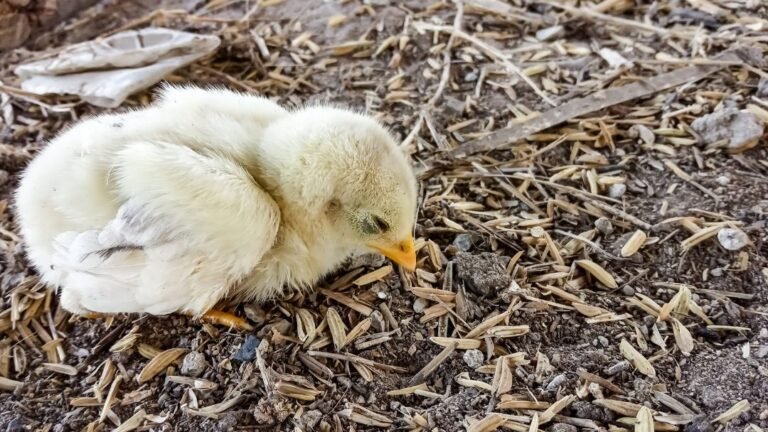
- Lethargy or weakness
- Pale combs and wattles
- Dehydration
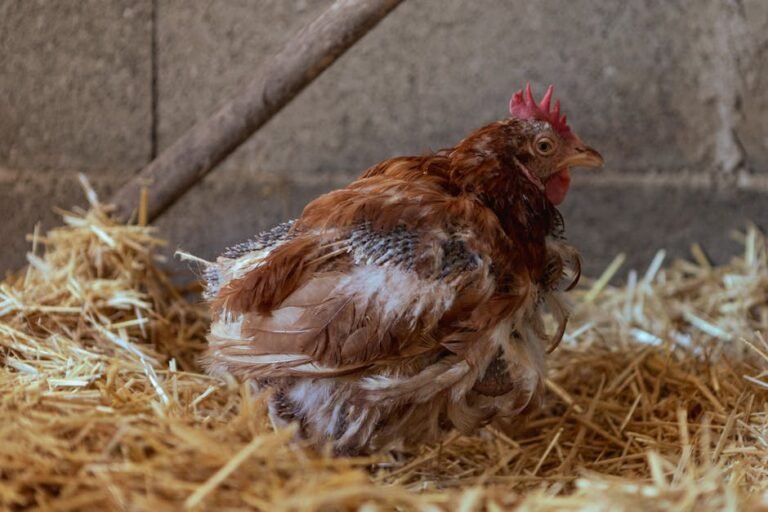
- Ruffled feathers or huddling together
If left untreated, coccidiosis can have serious consequences for the affected birds and the overall flock. It is essential to identify and address the disease promptly to minimize the impact on chicken health and productivity.
By understanding coccidiosis and its effects on chickens, you can take proactive measures to prevent and treat this disease, ensuring the well-being of your flock.
The Importance Of Proper Dosage
When it comes to treating coccidiosis in chickens, one key factor that cannot be overlooked is the importance of proper dosage. Administering the correct amount of Corid, the go-to treatment for coccidiosis, is crucial for effective eradication of this parasitic disease. While under-dosing may not provide adequate treatment, over-dosing can lead to potential side effects and unnecessary stress on the birds. This blog post will shed light on why proper dosage matters, the factors to consider when determining the dosage, and the recommended dosage for different stages of coccidiosis.
Why Is Proper Dosage Important For Corid?
Administering the right dosage of Corid is essential to combatting coccidiosis effectively. The active ingredient in this medication, amprolium, works by disrupting the growth and reproduction of the coccidian parasites, ultimately stopping the progress of the disease. However, giving too little of the medication can render it ineffective, while giving too much can lead to potential toxicity. By adhering to the proper dosage, we can strike the delicate balance that ensures maximum benefits while minimizing risks.
How Amprolium Is Dosed
Amprolium in drinking water is not dosed by each bird’s weight. The label gives a concentration in the water, and every bird drinks its own share. The amount you mix depends on the product’s strength and on how bad the outbreak is.
Label Dosage for Chickens
Corid is the best-known amprolium brand and is labeled for calves. Poultry-labeled amprolium products such as AmproMed P and Amprol use the same 9.6% strength. Their chicken label directions are:
| Stage | Amprolium in water | 9.6% solution per gallon (approx.) | How long |
|---|---|---|---|
| As soon as coccidiosis is diagnosed | 0.012% | about 4.7 mL (roughly 1 tsp) | 3 to 5 days |
| Severe outbreak | 0.024% | about 9.5 mL (roughly 2 tsp) | 3 to 5 days |
| Follow-up after either | 0.006% | about 2.4 mL (roughly ½ tsp) | 1 to 2 more weeks |
The label states the 0.012% level as 8 fl oz of 9.6% solution per 50 gallons of water. The per-gallon amounts above are worked out from that. Corid 20% soluble powder is a different strength, so don’t use these amounts for it. Follow its label or your vet.
- Mix fresh medicated water every day, and make it the only water available.
- If birds are no better after 3 days, the label says to have the diagnosis confirmed and follow your veterinarian’s instructions.
- The poultry label does not list an egg withdrawal period.
Correction: an earlier version of this table listed a 21-day “prevention” dose and treatment courses of up to 21 days at 0.024%. Those figures did not match the label and have been replaced.
Administering Corid To Chickens
Methods Of Administering Corid To Chickens
Administering Corid, which is an effective treatment for coccidiosis in chickens, can be done using different methods. It is essential to choose the method that provides the most accurate dosage and ensures the chicken receives the proper treatment. There are two common methods for administering Corid to chickens – in drinking water and orally.Best Practices For Administering Corid
When administering Corid to chickens, it is crucial to follow certain best practices to maximize the effectiveness of the treatment. These practices include:- Calculate the dosage accurately: Determining the appropriate dosage is crucial for successful treatment. Follow the label of the product you have (strengths differ) and consult a veterinarian if needed.
- Ensure clean water supply: If you choose to administer Corid in drinking water, make sure the water supply is clean and free from any contaminants. Chickens are more likely to consume the solution when the water is fresh.
- Administer for the prescribed duration: It is important to complete the full course of treatment as recommended by the veterinarian or specified on the packaging. Even if the chickens show signs of improvement, stopping the treatment prematurely may lead to a relapse.
- Separate treated chickens from healthy ones: To prevent cross-contamination, separate the chickens undergoing Corid treatment from healthy ones. This will reduce the risk of spreading coccidiosis and allow for proper monitoring of the treated chickens’ progress.
- Observe good hygiene practices: Maintaining cleanliness in the coop is crucial to prevent the spread and reoccurrence of coccidiosis. Regularly clean and disinfect the coop, remove feces, and provide clean bedding to ensure a healthy environment for the chickens.
Side Effects and Vitamin B1
Amprolium works by blocking thiamine (vitamin B1), which fast-multiplying coccidia need in large amounts. Used at label levels for label lengths, side effects are uncommon. Very long or very strong courses can starve the bird of thiamine too. Signs include weakness, poor coordination and a head pulled back (“star-gazing”).
- Don’t add vitamin supplements that contain B1 (thiamine) during treatment, because they can make amprolium less effective.
- Give vitamins after the course ends if your vet recommends them.
- A drop in appetite or laying is usually caused by the coccidiosis itself, not the treatment.
Effectiveness Of Corid As A Treatment
How Does Corid Work To Treat Coccidiosis?
Amprolium, the active ingredient in Corid, is FDA-approved for coccidiosis in chickens in poultry-labeled products. It blocks the coccidia’s uptake of thiamine (vitamin B1), which they need in large amounts to multiply. When chickens consume feed or water containing Corid, it works by interrupting the parasites’ ability to multiply and disrupt their life cycle. The active ingredient in Corid, amprolium, targets the coccidia in the intestines of the chickens, thereby reducing their numbers and minimizing damage to the intestinal lining. This prevents further infection and allows the chickens’ immune system to mount a defense against the remaining parasites.Success Rates And Effectiveness Of Corid Treatment
When used correctly and in the recommended dosage, Corid has shown high success rates in treating coccidiosis in chickens. Many poultry farmers and backyard chicken keepers have reported positive outcomes after using Corid to combat coccidiosis. The effectiveness of Corid can vary depending on various factors, including the severity of the infection and the overall health of the chickens. It is essential to follow proper dosage instructions to ensure the best possible results.Duration And Follow-up After Treatment
Following the label, a course is 3 to 5 days at the treatment level, then 1 to 2 weeks at the lower 0.006% follow-up level. Keep watching the flock during and after treatment. Clean out wet, soiled litter, and bring in a vet if birds keep dying, keep passing bloody droppings, or haven’t improved after 3 days.
Corid has proven to be an effective treatment for coccidiosis in chickens. It works by interfering with the life cycle of the coccidia parasite, reducing their numbers and allowing the chickens’ immune system to fight off the infection. By following the correct dosage and treatment duration, poultry farmers and backyard chicken keepers can increase the chances of successful treatment and the overall health of their chickens. Remember to monitor the chickens closely during and after treatment to ensure full recovery and prevent any recurrence of coccidiosis.Preventing Coccidiosis In Chickens
Effective Preventive Measures Against Coccidiosis
Preventing coccidiosis in chickens is of utmost importance to ensure the health and well-being of your flock. Implementing effective preventive measures can significantly reduce the risk of infection. Here are some actionable steps you can take:
- Provide clean and dry bedding: Regularly cleaning the coop and ensuring that the bedding is dry can help prevent the buildup of moisture that coccidia thrive in.
- Practice proper flock management: Overcrowding can create stressful conditions for chickens, making them more susceptible to coccidiosis. Maintaining proper flock size and avoiding mixing of different age groups or birds from unknown sources can help minimize the spread of the disease.
- Implement a biosecurity plan: Quarantine any new birds before introducing them to the rest of the flock. This will help to identify and control any potential sources of infection.
- Use chick starter feed: Feeding chicks with a medicated starter feed containing coccidiostats can provide a preventive measure against coccidiosis. These additives help to suppress the growth of coccidia and reduce the risk of infection.
- Consider vaccination: Consult with a veterinarian about the possibility of vaccinating your chickens against coccidiosis. Vaccines can provide long-term protection and are recommended in high-risk environments.
Implementing Good Hygiene Practices In The Coop
Maintaining good hygiene practices in the chicken coop is crucial for preventing coccidiosis. The following practices can help minimize the risk:
- Regularly clean and disinfect: Remove soiled bedding, feces, and other debris from the coop frequently. Clean all surfaces with a suitable disinfectant to eliminate any coccidia that may be present.
- Provide ample ventilation: Proper airflow helps to keep the coop dry and discourages the growth of coccidia. Ensure there are enough vents or windows to maintain good ventilation without creating drafts.
- Control rodents and wild birds: Rodents and wild birds can introduce coccidia into the coop. Seal any openings that could allow their entry, and use appropriate measures to deter them from nesting or feeding near the coop.
Other Strategies To Reduce The Risk Of Coccidiosis
In addition to good hygiene practices, there are other strategies you can employ to further reduce the risk of coccidiosis in your chicken flock:
- Rotate pasture: If your chickens have access to pasture, rotating them regularly can help minimize the risk of reinfection. This allows the land to naturally break the coccidia life cycle.
- Provide clean water: Ensure your chickens have access to clean, fresh water at all times. Dirty water can become a breeding ground for coccidia, increasing the likelihood of infection.
- Monitor for symptoms: Regularly observe your chickens for any signs of coccidiosis, such as diarrhea, decreased appetite, or lethargy. Early detection enables prompt treatment and prevents the spread of the disease to other birds.
- Consider natural supplements: Some natural supplements, such as oregano oil or garlic, are believed to have antimicrobial properties that could help support the immune system of your chickens. However, consult with a veterinarian before introducing any supplements to the flock.
By implementing these preventive measures, maintaining good hygiene practices, and staying vigilant for any signs of coccidiosis, you can reduce the risk of infection in your chicken flock and promote their overall health and productivity.
Conclusion
Understanding the dosage and treatment of coccidiosis in chickens is crucial for their health and well-being. By following the recommended guidelines and using Corid as directed, you can effectively combat this common parasite and protect your flock. Remember to consult with a veterinarian for personalized advice and to monitor your chickens closely for any signs of infection.
that with the right approach, you can keep your chickens happy, healthy, and free from coccidiosis.
Sources
- AmproMed P for Poultry (amprolium 9.6% oral solution) label, DailyMed / US National Library of Medicine
- Merck Veterinary Manual: Coccidiosis in Poultry
Checked September 2026. Labels change, so always read the label on the product you buy. See our editorial policy for how we research health articles.