Where to Put Chicken Nesting Boxes
Put chicken nesting boxes 18 to 20 inches off the ground, opposite the roosting bars and at a lower position, in a spot that is dark, quiet, safe, and less…

Everything about eggs, from the hen to the incubator: egg colors, odd eggs and shell problems, nesting boxes, broody hens, and step-by-step incubation and hatching guides with temperature and humidity settings.
Free tools: Egg float test · Hatching calendar · Broody hen breaker · Rooster or hen?
More topics: Chicken Breeds · Health & Disease · Coop & Equipment · Feed & Treats · Care & Management · Behavior

Put chicken nesting boxes 18 to 20 inches off the ground, opposite the roosting bars and at a lower position, in a spot that is dark, quiet, safe, and less…
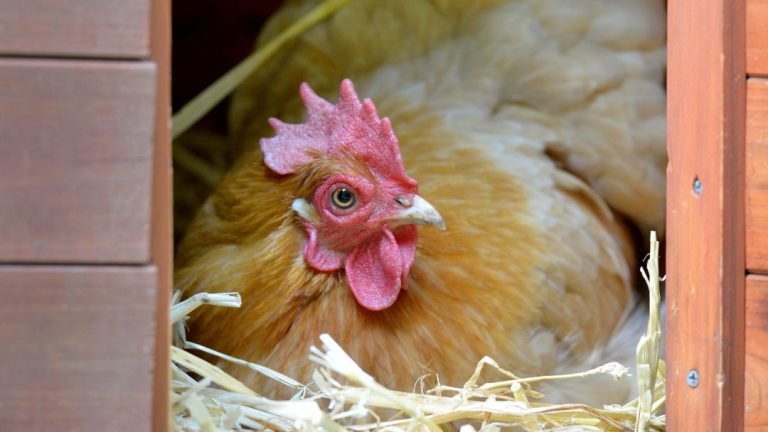
Chicken nesting boxes should be 12 inches wide for regular-sized breeds, around 10 inches for smaller breeds, and about 14 inches for heavier breeds. Width is one of the dimensions…

Chicken nesting boxes do not strictly need a top, but adding one helps shy and calm hens feel safer and keeps the boxes cleaner. A roof creates the darker, more…
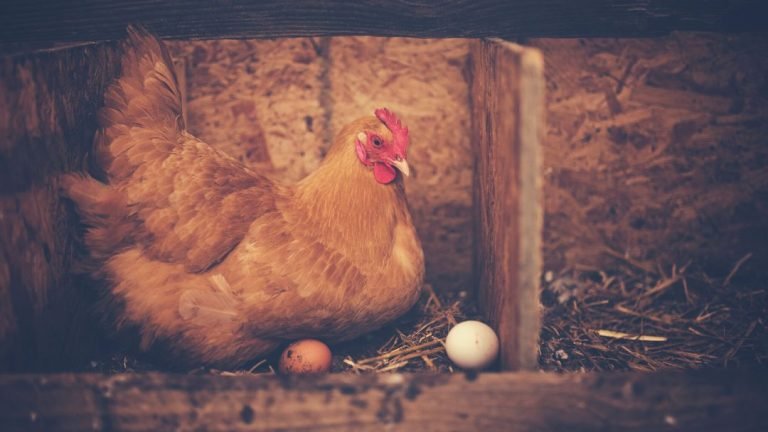
To get chickens to use the nesting box, add enough boxes for your flock, keep them clean, use the right nesting materials, place fake eggs inside, hang curtains to keep…
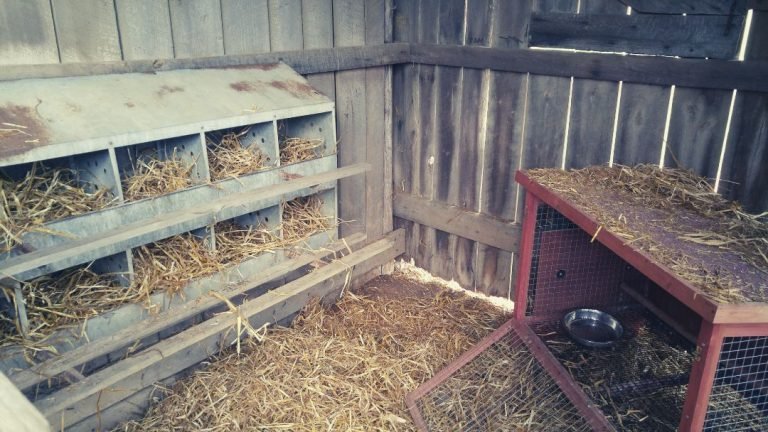
Set up nesting boxes when your chickens are 16-17 weeks old, since most hens start laying eggs at 18-22 weeks. Some breeds take longer to reach point of lay, so…
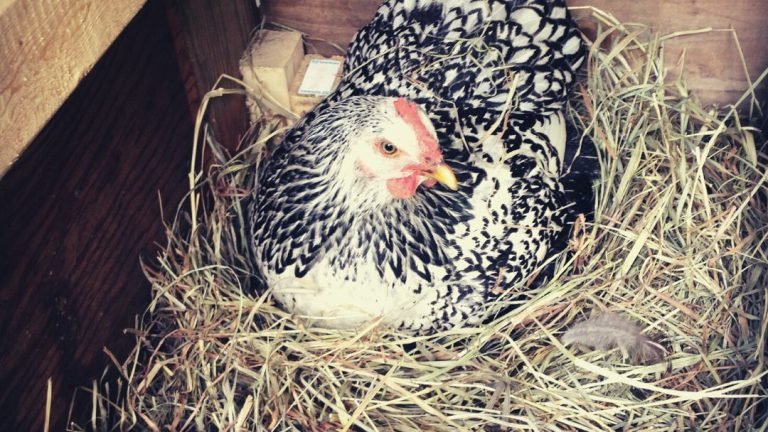
No, each chicken does not need its own nesting box — two or three hens can comfortably share a single box. The exact number you need depends on chicken size,…
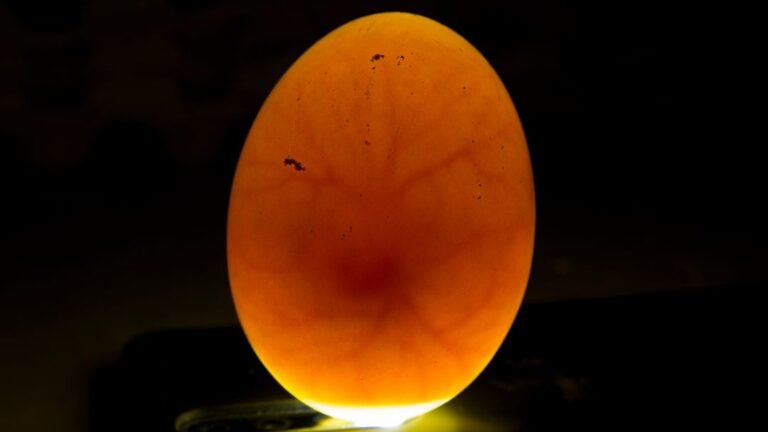
When candling chicken eggs, a bright light is shone through the egg to examine its contents. This process helps determine the egg’s fertility and embryo development. Candling provides valuable information…
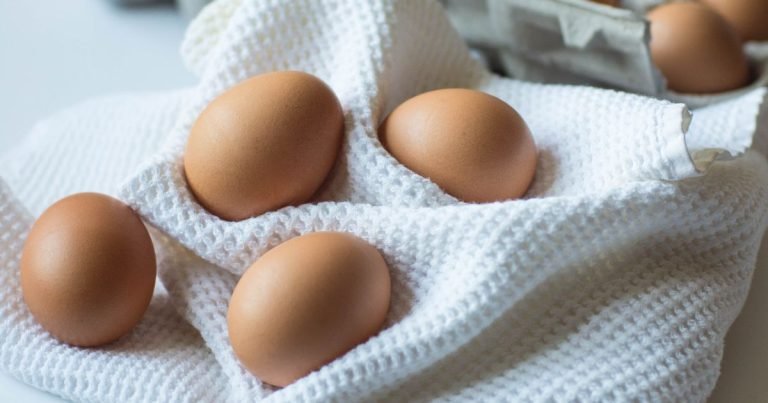
Fertile eggs have been fertilized by a rooster and contain the genetic material to develop into a chick, while non-fertile eggs have not and never will. The distinction is specific,…

To wash fresh eggs, gently rinse them under running water and pat them dry with a clean towel. Washing eggs before consumption is a crucial step in ensuring food safety…

Blood on eggshells is generally harmless and does not pose a significant risk to health. Blood on eggshells is a common occurrence and often happens during the egg-laying process. While…