How Much Chicken Feed Per Bird Per Day
Chicken feed requirements vary depending on the age and size of the bird. Generally, chickens consume around 0.25 to 0.5 pounds (113 to 227 grams) of feed per bird per…

What to feed chickens at every stage, from chick starter to layer feed, plus grit and oyster shell, protein, treats and "can chickens eat it?" answers for common foods, and reviews of feeders. Use the feed calculator to estimate how much feed your flock will eat. For foods that can poison chickens, see the Health & Disease section.
Free tools: Feed calculator · Chick temperature chart
More topics: Chicken Breeds · Health & Disease · Eggs & Hatching · Coop & Equipment · Care & Management · Behavior
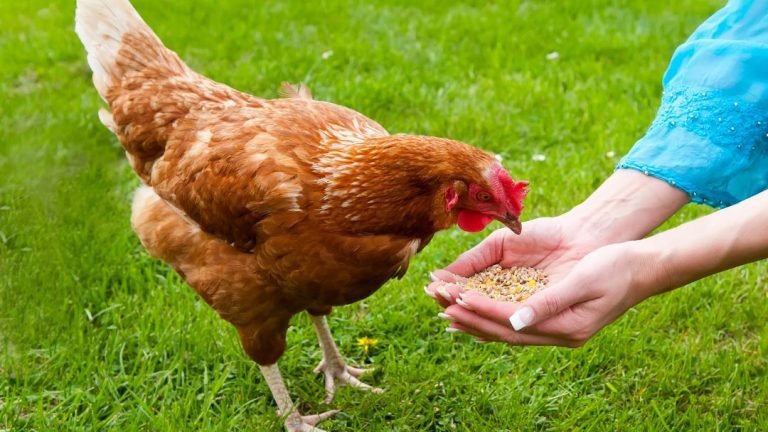
Chicken feed requirements vary depending on the age and size of the bird. Generally, chickens consume around 0.25 to 0.5 pounds (113 to 227 grams) of feed per bird per…
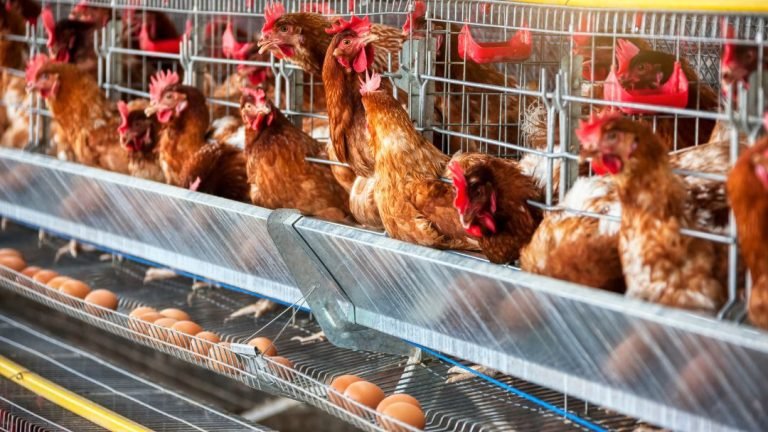
No, laying chickens should not eat grower feed as their main diet. Switch to layer feed once your hens start laying. The one exception: you can feed grower feed to…

A chicken typically drinks about 150-200 milliliters of water per day. Raising chickens requires knowledge of their basic needs, including their water requirements. Understanding how much water chickens drink is…
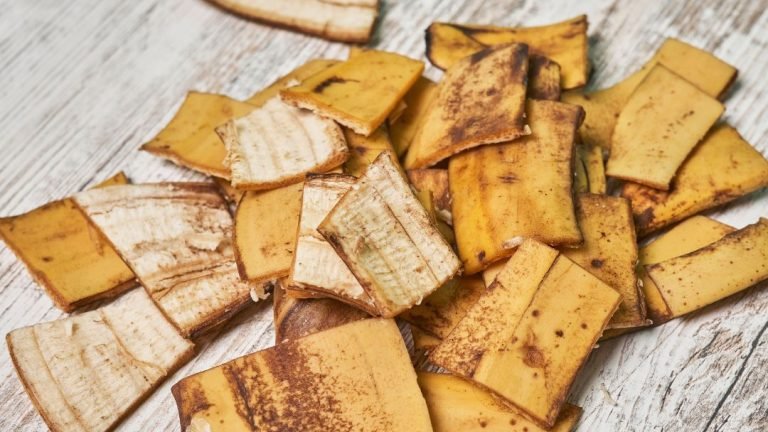
Banana peel can be used as chicken feed, providing additional nutrients and reducing waste. Banana peel has long been considered a waste product, often discarded without a second thought. However,…

Chickens eating mice is a natural behavior that helps control pests in the chicken coop. Chickens are known to eat mice as part of their natural diet, helping to keep…
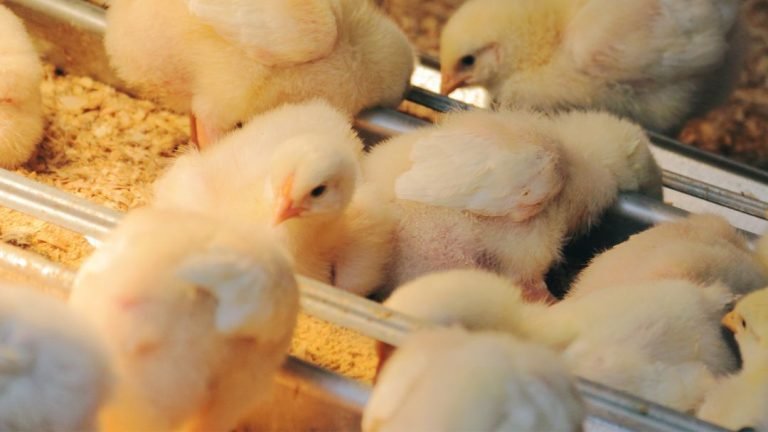
Feed chick starter for about 8 weeks — as little as 6 weeks for fast-growing breeds and up to 12 weeks for slow-growing chickens. Breed, growth rate, environmental conditions, how…
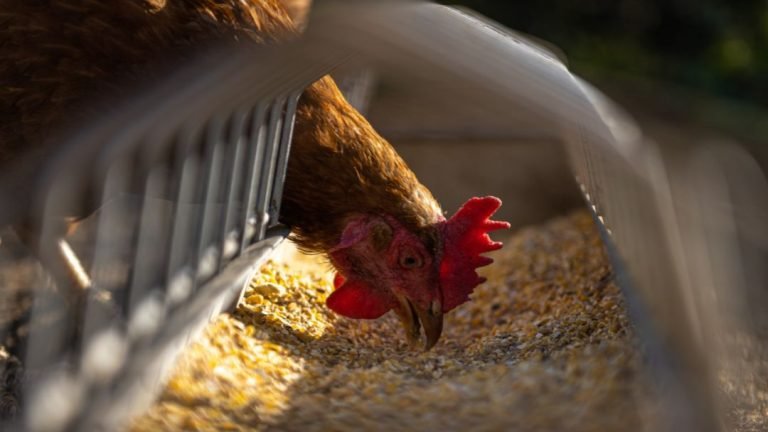
Start feeding chickens grower feed once they reach 6 weeks old, and keep them on starter feed up to 8 weeks if their growth is on the slower side. Timing…
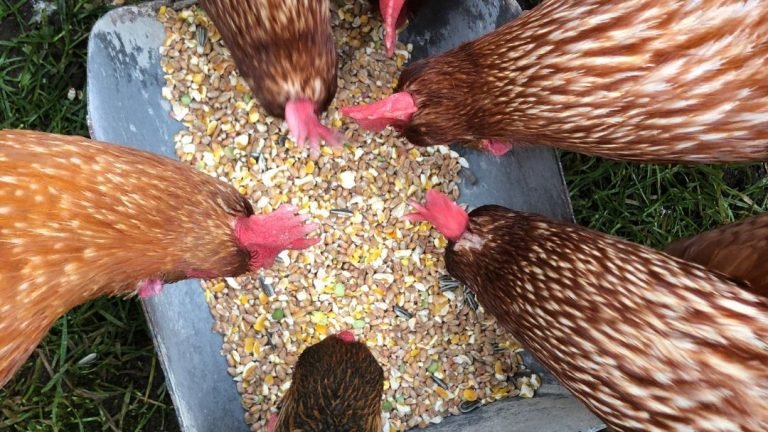
Yes, chickens can start eating layer feed at 18 weeks old, even if they have not laid their first egg yet. Do not feed it earlier than 18 weeks unless…
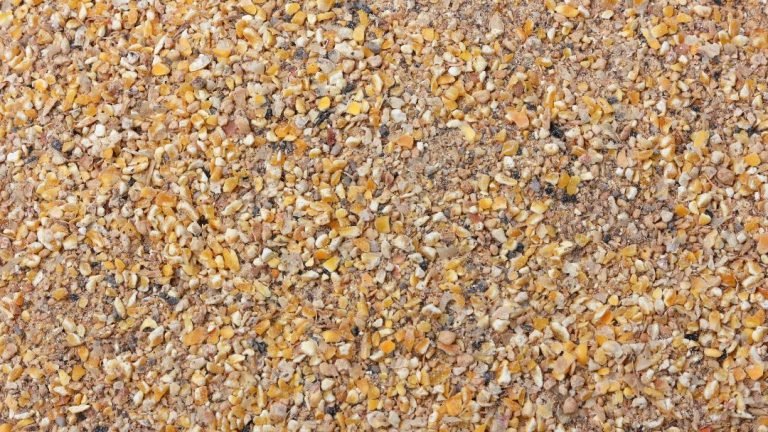
Fermented feed benefits chickens by seeding their guts with beneficial bacteria and prebiotics, reducing pathogens, and delivering denser nutrition than dry commercial feed. Because the food is more nutritionally concentrated,…

You can make your own chick starter feed at home, and doing so lets you control every ingredient that goes into a balanced, healthy nutritional diet for your chicks. Commercial-based…