Health note: This guide is general information, not veterinary advice, and our writers are not veterinarians. If a bird is sick, injured or not improving, contact a poultry vet, and always follow product labels and your vet's instructions for any medication. How we write health content.
Yellow diarrhea in chickens has no single cause: it can come from heat and heavy drinking, diet problems, or infections, and you usually need a veterinarian to find out which one. The color of droppings alone rarely points to one disease. What matters more is the bird’s age, how many birds are sick, and what other signs they show. This guide explains the documented causes of loose or abnormal droppings and the warning signs that need urgent action.
Key Takeaways
- Droppings color alone cannot identify a disease; look at the whole bird and the whole flock.
- Heat and extra drinking can cause very watery droppings in otherwise healthy hens.
- Paratyphoid Salmonella mainly sickens young chicks, and adult birds can carry it silently.
- Sudden deaths, or diarrhea with breathing or nervous signs, must be reported: call your state veterinarian or USDA at 1-866-536-7593.
- Since June 2023, medically important antibiotics for chickens require a veterinarian’s prescription.
Correction: an earlier version of this article claimed there are exactly 15 causes of yellow diarrhea, described Newcastle disease, avian influenza and coccidiosis as typically causing yellow diarrhea, listed unsupported nutritional causes, and did not say that avian influenza and Newcastle disease must be reported; these errors have been corrected.
What normal chicken droppings look like
Chickens do not urinate the way mammals do. In the cloaca, digestive waste mixes with urates from the kidneys, and the white, pasty coating on a normal dropping is uric acid, the bird’s form of urine.
The color and texture of droppings can say something about the health of the digestive tract, but no single color reliably points to one disease. A single odd dropping from a bird that is eating, drinking and active is less worrying than repeated diarrhea in a bird that looks unwell.
Common non-infectious causes
Heat and extra drinking
In hot weather, chickens drink more water to cope with the heat, and extremely watery droppings are common during periods of high heat. If the bird is otherwise alert and the droppings firm up when the weather cools, heat is the likely reason. See why a chicken drinks excessively for more on this.
Too much salt
Excess salt in the diet, for example from feed-mixing errors, salty add-ins or access to rock salt, makes birds drink more and causes watery droppings and wet litter. Young birds under 3 weeks old are more sensitive. Severe salt poisoning also causes breathing difficulty, lethargy and a fluid-filled abdomen.
Infections that cause diarrhea
Paratyphoid Salmonella
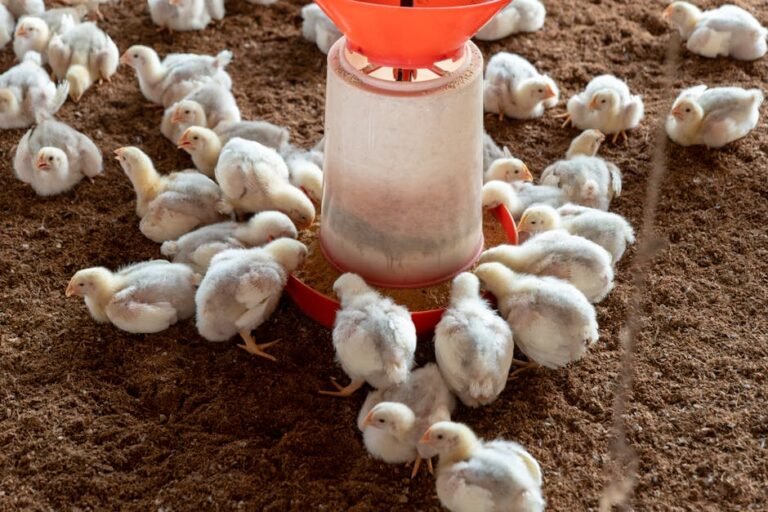
Paratyphoid Salmonella mainly causes illness in chicks in their first weeks: depression, poor growth, weakness, diarrhea and dehydration. Adult birds usually show no signs but remain carriers. Antibiotics are not recommended because they cannot eliminate infection from a flock.
Coccidiosis
Coccidiosis is caused by Eimeria protozoa that damage the intestinal lining. Signs range from slow growth to severe diarrhea, weight loss and deaths, especially in young birds. Read more in our guides to coccidiosis and blood in chicken poop.
Infectious bronchitis (kidney strains)
Infectious bronchitis is a respiratory disease caused by a coronavirus. Some strains also damage the kidneys, causing lethargy, ruffled feathers, wet droppings, increased drinking and death. No medication treats the virus itself; vaccines are available.
Reportable diseases: act fast
Two serious viral diseases can cause diarrhea, but it is typically greenish rather than yellow:
- Highly pathogenic avian influenza: sudden death, swelling or purple discoloration of the comb and wattles, respiratory signs, greenish-white diarrhea, decreased drinking and a drop in egg laying.
- Virulent Newcastle disease: respiratory signs, watery greenish diarrhea, and nervous signs such as tremors and a twisted neck. There is no treatment.
Both must be reported. If you see sudden deaths, many sick birds, or diarrhea together with breathing problems, swelling, stumbling or a twisted neck, call your state veterinarian or USDA toll-free at 1-866-536-7593.
What to do if your chicken has yellow diarrhea
- Check the whole bird: is it eating, drinking, active and alert? Note its age and any breathing, swelling or nervous signs.
- Check the flock: are other birds sick, or have any died suddenly? If so, call your veterinarian or state animal health official promptly.
- Rule out simple causes: hot weather, recent diet changes, salty treats or access to salt.
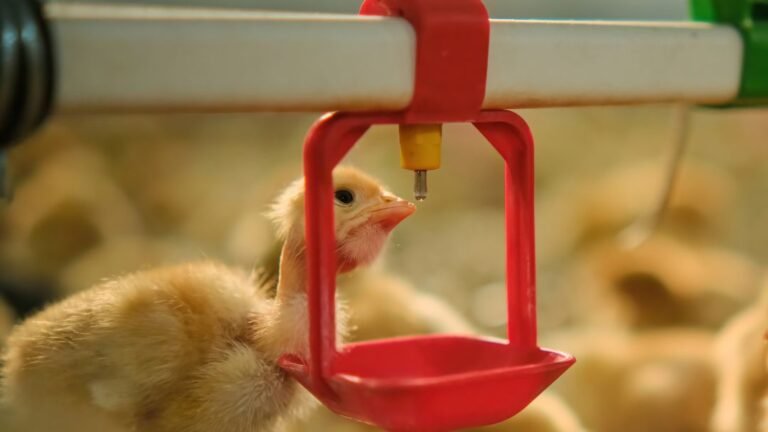
- Provide fresh, clean water and shade, especially in hot weather.
- Contact a veterinarian if diarrhea continues, the bird seems unwell, or chicks are affected, so the cause can be diagnosed.
Do not guess with medications. Overuse of antibiotics selects for resistant bacteria and can disrupt normal gut flora. Since June 2023, medically important antibiotics for chickens require a veterinarian’s prescription, medically important drugs in feed require a veterinary feed directive, and water medications require a prescription.
Protect yourself from Salmonella
Backyard chickens can carry Salmonella even when they look healthy and clean. Wash your hands with soap and water right after touching birds, eggs, or anything in their area. Do not kiss or snuggle birds, and keep them and their supplies out of the house. Children under 5, adults 65 and older, and people with weakened immune systems are more likely to become seriously ill. Good biosecurity protects both your flock and your family.
FAQs
Is yellow chicken poop always a sign of disease?
No. Loose or oddly colored droppings can follow heat and heavy drinking or diet changes. Repeated diarrhea in a bird that looks unwell, sick chicks, or several sick birds need a veterinarian.
Can I give my chickens antibiotics for diarrhea?
Not without a veterinarian. Since June 2023, medically important antibiotics for animals require a veterinarian’s prescription, and antibiotics do not treat viral diseases or eliminate Salmonella from a flock.
Which diarrhea signs mean I should call the state veterinarian?
Sudden deaths, many sick birds, greenish watery diarrhea, or diarrhea with breathing problems, swelling of the head or comb, stumbling or a twisted neck. Call your state veterinarian or USDA at 1-866-536-7593.
Can I catch Salmonella from my chickens?
Yes. Birds that look healthy can carry Salmonella. Wash your hands with soap and water after touching birds, eggs or anything in their area.
Conclusion
Yellow diarrhea is a symptom with many possible causes, not a diagnosis. Check for heat, diet and salt problems, watch the whole flock for serious signs, report sudden deaths or neurological and respiratory signs right away, and work with a veterinarian before using any medication.
Sources
- Poultry Extension: Avian Digestive System
- Poultry Extension: Managing Backyard Chickens During Extreme Summer Temperatures
- Merck Veterinary Manual: Poisonings in Poultry
- Merck Veterinary Manual: Paratyphoid Infections in Poultry
- Merck Veterinary Manual: Coccidiosis in Poultry
- Merck Veterinary Manual: Infectious Bronchitis in Chickens
- Merck Veterinary Manual: Common Infectious Diseases in Backyard Poultry
- Merck Veterinary Manual: Newcastle Disease in Poultry
- USDA APHIS: Defend the Flock – How To Spot Sickness
- CDC: Salmonella Outbreak Linked to Backyard Poultry
- FDA: GFI #263 Frequently Asked Questions for Farmers and Ranchers
Checked September 2026. Labels change, so always read the label on the product you buy. See our editorial policy for how we research health articles.