Health note: This guide is general information, not veterinary advice, and our writers are not veterinarians. If a bird is sick, injured or not improving, contact a poultry vet, and always follow product labels and your vet's instructions for any medication. How we write health content.
Red mites are usually brought into a coop by wild birds, rodents or infested poultry and equipment. Clutter and dirt give them more places to hide, and they can be treated with products labeled for poultry mites. These tiny parasites suck the blood of your chickens, leading to health issues and decreased egg production.
To effectively eliminate red mites, it is essential to clean and disinfect the coop thoroughly, ensuring all cracks and crevices are treated. Regularly inspecting the coop, keeping it clean and uncluttered, and keeping wild birds and rodents out can help prevent red mite infestations.
Taking prompt action at the first sign of red mites is crucial to protect your chickens’ well-being and maintain a healthy coop environment.
Key Takeaways
- Red mites are carried in by wild birds, rodents and infested poultry, and are treated with products labeled for poultry mites.
- These blood-sucking parasites cause health issues and decreased egg production.
- Thoroughly clean and disinfect the coop, treating all cracks and crevices, to eliminate them.
- Regular cleaning, good hygiene, and a balanced diet help prevent red mite infestations.
Understanding Red Mites
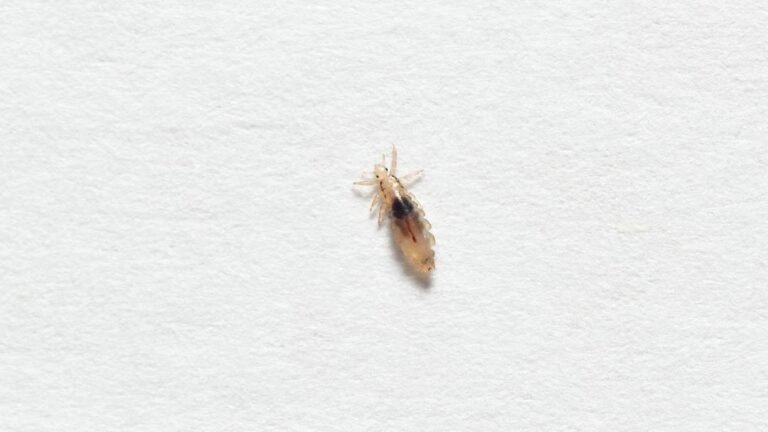
Red mites, also known as poultry mites or chicken mites, are tiny, blood-sucking parasites that can quickly become a frustrating problem in your chicken coop. These minuscule pests may be difficult to spot with the naked eye, but their presence can cause significant harm to your flock. Understanding the nature of red mites is the first step in effectively combating their infestation.
What Are Red Mites And Why Are They A Problem?
Red mites, scientifically known as Dermanyssus gallinae, are external parasites that feed on the blood of chickens and other avian species. These nocturnal pests hide in the coop during the day, making it incredibly challenging to identify their presence until a full-blown infestation occurs.
Their small size allows them to squeeze into tiny crevices and cracks where they spend most of their time, emerging only at night to feed on chickens. As they feed, red mites cause irritation, discomfort, and stress to your birds. Over time, this can lead to a decrease in egg production, weight loss, anemia, and even death in severe cases.
The Life Cycle Of Red Mites And How They Multiply
Red mites develop through five stages: egg, larva, protonymph, deutonymph and adult. Under favorable conditions the whole cycle can take as little as 7 days (typically 7 to 14), so populations can grow quickly.
The mites start by laying eggs in secluded areas within the coop, such as cracks, nests, or perches. Once the eggs hatch, the larvae continue to develop into nymphs, which then mature into adults. Nymphs and adult mites come out at night to feed on the roosting birds and then return to their hiding places, where females lay eggs. Adults can survive for months without a meal, so an empty coop can stay infested.
The Signs And Symptoms Of Red Mite Infestation
Recognizing the signs and symptoms of a red mite infestation is crucial in order to take prompt action. Though red mites themselves are difficult to spot, there are several indicators that your coop may be infested:
- Increased restlessness and agitation in your chickens
- A drop in egg production or abnormal-shaped eggs
- Pale combs and wattles due to blood loss
- Feather loss and irritated, pecked skin
- Chickens exhibiting signs of anemia, such as lethargy and weakness
- Reddish-brown or black specks on roosts, perches, or in nest boxes, indicating mite excrement
If you notice any of these symptoms, it is essential to take immediate action to address the infestation and protect your flock from further harm.
Identifying Causes Of Red Mite Infestation
Red mites are a common and bothersome problem that many chicken owners face. These tiny parasites can cause discomfort and stress to the birds, affecting their health and productivity. To effectively manage a red mite infestation in your chicken coop, it’s crucial to identify the causes that contribute to their presence. By addressing these underlying issues, you can significantly reduce the risk of a mite infestation in your flock. Let’s explore the key causes and how to prevent them:
Poor Coop Hygiene And Maintenance Practices
A dirty and poorly maintained chicken coop provides the ideal breeding and hiding grounds for red mites. When coop hygiene is neglected, accumulated dirt, dust, and droppings create a favorable environment for mites to thrive. It’s essential to maintain a regular cleaning schedule, ensuring the coop is thoroughly cleaned and disinfected. This practice helps in disrupting the mite’s life cycle and prevents their population from escalating.
Additionally, paying attention to the coop’s structural integrity is crucial. Small cracks and crevices in the coop’s walls, roosting bars, and nesting boxes can serve as hiding spots for mites during the day. Regularly inspect the coop and seal any openings to deny mites a place to reside and reproduce. Implementing these hygiene and maintenance practices can go a long way in preventing a red mite infestation.
Introduction Of Infested Birds Or Materials Into The Coop
Bringing in new birds or materials from unknown or infested sources can introduce red mites into your coop. These critters can hitch a ride on the feathers, feet, or bodies of new birds, or be present in hay, straw, or other materials used in the coop. It’s crucial to source birds and materials from reputable suppliers and preventive measures, such as quarantining new birds and inspecting materials before introducing them into the coop.
Before adding new birds to your flock, carefully examine them for signs of mite infestation, such as feather discoloration, irritation, or excessive scratching. Keep new birds in a separate area for at least 30 days, checking them closely for mites and lice. Similarly, inspect any materials, such as bedding or feed, before bringing them inside the coop. These precautions significantly reduce the risk of introducing mites into your chicken coop.
Ventilation
Good airflow keeps the coop dry and healthier for your birds, but it will not keep red mites out on its own. Mites arrive on wild birds, rodents and new poultry, and they hide in cracks whatever the lighting.
Good ventilation keeps the coop dry and healthy, but mite prevention depends mainly on keeping wild birds and rodents out, isolating new birds, and checking your flock regularly.
By identifying and addressing the causes behind red mite infestations, you can actively protect your chickens and maintain a healthy coop environment. Focus on maintaining good hygiene and maintenance practices, sourcing birds and materials carefully, and keeping wild birds and rodents out. These proactive measures will play a significant role in preventing and managing red mite infestations in your chicken coop.
Prevention Strategies For Red Mite Infestation
Preventing red mite infestation is crucial for maintaining the health and well-being of your chickens. These pesky parasites can cause a range of issues, from stress and irritation to anemia and reduced egg production. By implementing the following prevention strategies, you can keep your chicken coop free from red mites and ensure a safe and comfortable environment for your feathered friends.
Regular Cleaning And Sanitization Of The Chicken Coop
Regular cleaning and sanitization of your chicken coop are essential for preventing red mite infestations. Red mites thrive in dark and dirty environments, so keeping the coop clean will make it less attractive to these pests. Here are some cleaning practices you should follow:
- Remove all bedding and thoroughly clean the coop on a regular basis, ideally once a week.
- Dispose of the bedding in a sealed bag to prevent mites from spreading.
- Use a high-pressure hose to clean the coop, paying extra attention to cracks and crevices where mites may hide.
- Allow the coop to dry completely before reintroducing the chickens.
- Treat cracks, perches and nest boxes with a product labeled for mites in poultry houses. Because it will not kill mite eggs, repeat the treatment as the label directs, typically every 4 to 7 days.
Effective Quarantine Procedures For New Birds And Materials
New birds or materials brought into the chicken coop can introduce red mites if proper quarantine procedures are not followed. To prevent infestation, implement the following measures:
- Quarantine new birds in a separate area for at least 30 days before introducing them to the main flock.
- Regularly inspect new birds for signs of mites, such as feather discoloration, restlessness, or crawling parasites.
- Quarantine new materials, such as feeders, waterers, and bedding, before introducing them to the coop.
- Monitor the quarantined birds and materials closely for any signs of red mite activity.
- If no signs of infestation are observed after the quarantine period, gradually introduce the new birds or materials to the main flock while continuing to monitor for mites.
Implementing Proper Ventilation And Lighting In The Coop
Proper ventilation and lighting matters in preventing red mite infestations. Red mites prefer warm and humid conditions, so ensuring good airflow and adequate lighting can help deter them. Follow these recommendations:
| Ventilation | Lighting |
|---|---|
|
|
Natural Treatments For Red Mites
When it comes to keeping your chickens happy and healthy, dealing with red mites in your chicken coop is a top priority. These tiny pests can wreak havoc on your flock, causing discomfort, stress, and even illness. While there are many commercial treatments available, some chicken keepers prefer to use natural remedies to control red mites. Below, explore three effective natural treatments for red mites: diatomaceous earth, essential oils, and neem oil.
Using Diatomaceous Earth To Control Red Mites
Diatomaceous earth is a natural substance that consists of fossilized diatoms. It absorbs the waxy outer layer of the mite’s cuticle so the mite dries out. It works less well in humid coops. To use diatomaceous earth as a treatment, follow these steps:
- Clean your chicken coop thoroughly, removing any excess debris or bedding.
- Ensure the diatomaceous earth you are using is food-grade and safe for use around animals.
- Work a light coat of diatomaceous earth into cracks, roosting bars and nest boxes. Apply it only in a well-ventilated coop, wearing a dust mask.
- Reapply the diatomaceous earth once a week to ensure continued protection against red mites.
Diatomaceous earth can reduce red mite numbers, but it does not kill eggs, works poorly in damp conditions and varies in strength from batch to batch, so it rarely clears an infestation on its own. It is important to continue regular maintenance and cleaning practices alongside the use of diatomaceous earth to prevent future infestations.
Essential Oils
Some essential oils have killed or repelled red mites in laboratory tests, but they have not been shown to control infestations in real coops.
Neem Oil: What to Know
If you use a neem-based product, choose one whose label lists poultry houses and follow the label. Plant-based products have not been proven to control red mites in the field.
Chemical Treatments For Red Mites
Chemical Treatments For Red Mites
When it comes to treating red mites in your chicken coop, chemical treatments can be an effective solution. These treatments are specifically designed to eliminate red mites and prevent any future infestations. However, it is important to understand the different options available and take appropriate safety precautions when using chemical treatments.
Overview Of Chemical Treatment Options
There are several chemical treatments available in the market for controlling red mites in your chicken coop. Each treatment option works in a slightly different way, targeting the mites at different stages of their life cycle. Some common chemical treatments include:
- Pyrethroid sprays (such as permethrin products labeled for poultry): use only products whose label lists poultry or poultry houses. Resistance to pyrethrins and pyrethroids is widespread, so they may not work in every flock.
- Diatomaceous Earth: Although not a chemical treatment in the traditional sense, diatomaceous earth is a natural product that can be used to control red mites. It works by dehydrating the mites, causing their eventual death. This option is considered safer for both chickens and humans.
- Ivermectin-based products: Ivermectin is not approved for use in chickens in the United States. It can only be used extralabel under a veterinarian’s prescription, and studies have found residues in eggs for weeks after treatment, so do not use livestock or pet ivermectin products on your hens.
When choosing a chemical treatment option, consider factors such as effectiveness, safety, and ease of use. It is also important to carefully read and follow the instructions provided by the manufacturer for each product.
Safety Precautions When Using Chemical Treatments
While chemical treatments can be highly effective in controlling red mites, it is crucial to prioritize safety when using these products. Here are some safety precautions to consider:
- Wear protective clothing and equipment: When applying chemical treatments, it is recommended to wear gloves, goggles, and a mask to protect yourself from potential skin or respiratory irritation.
- Ensure proper ventilation: It is important to apply chemical treatments in a well-ventilated area to minimize the risk of inhaling any fumes or vapors.
- Keep chickens away during application: While applying chemical treatments, remove the chickens from the coop and keep them in a safe and separate area until the treatment has dried or settled.
- Store chemicals safely: Ensure that any unused chemical treatments are stored in their original containers, away from children and pets.
- Follow recommended dosage: Use the recommended dosage provided by the manufacturer to avoid overuse, which can be harmful to both the chickens and the environment.
By following these safety precautions, you can minimize any potential risks associated with chemical treatments and ensure the well-being of your chickens and yourself.
Understanding The Potential Risks And Side Effects Of Chemical Treatments
While chemical treatments can be an effective solution, it is important to understand the potential risks and side effects associated with them. Some possibilities to be aware of include:
- Residue on eggs: Certain chemical treatments may leave residues on eggs, which can be harmful if ingested by humans. Carefully read the instructions to determine the egg withdrawal period to ensure the safety of consumption.
- Personal safety: follow the label’s instructions for protective equipment, and seek medical advice if you have a reaction.
- Environmental impact: Chemical treatments can have a negative impact on the environment if not used responsibly. Follow proper disposal guidelines and avoid contaminating water sources or harming beneficial insects.
- Resistance development: Over time, red mites may develop resistance to certain chemicals, rendering them less effective. Rotate between different chemical treatments or consult a professional for advice on alternative control methods.
By being aware of these potential risks and side effects, you can make informed decisions and take appropriate measures to mitigate any negative impacts.
Free tools
- Mite & Lice Check: find out which pest you have and what to do
Conclusion
To maintain a healthy chicken coop, it is important to address red mite infestations promptly. By understanding the causes and treatment options for red mites, you can ensure the well-being of your flock. Regularly inspecting and cleaning the coop, using natural remedies or insecticides, and implementing preventive measures are key steps in managing red mite issues.
By taking proactive measures, you can create a safe and comfortable environment for your chickens, promoting their overall health and productivity. Stay vigilant and proactive in your efforts to keep red mites at bay. Your chickens will thank you.
Updated September 2026: we fact-checked this article against the sources listed at the end and corrected or removed claims we could not support.
Sources
- Merck Veterinary Manual: Mites of Poultry
- University of Florida IFAS: Chicken Mite, Dermanyssus gallinae (EENY611)
- Extension (Small and Backyard Poultry): External Parasites of Poultry
- Experimental and Applied Acarology (2020, PMC): Management of the poultry red mite using silica-based acaricides
- Frontiers in Veterinary Science (2025): ivermectin residues in eggs
Checked September 2026. Labels change, so always read the label on the product you buy. See our editorial policy for how we research health articles.