Health note: This guide is general information, not veterinary advice, and our writers are not veterinarians. If a bird is sick, injured or not improving, contact a poultry vet, and always follow product labels and your vet's instructions for any medication. How we write health content.
Probiotics may support gut health in chickens under some conditions, but research results are inconsistent and they are not a treatment for disease. They are live microbes given in feed or water, and their effects depend on the strain, the dose and how the birds are kept. Here is what the evidence supports and how to use a product sensibly.
Key Takeaways
- Probiotics are live microbes that, in adequate amounts, can benefit the host; effects are strain-specific.
- Study results vary with the strain, dose, application method, bird age, hygiene and housing.
- The best-supported use is competitive-exclusion cultures that help day-old chicks resist Salmonella.
- Probiotics do not replace vaccination, biosecurity or a veterinarian’s diagnosis.
- Since June 2023, medically important antibiotics for animals require a veterinarian’s prescription.
Correction: an earlier version of this article overstated probiotics as proven to prevent infections, relieve diarrhea and improve feathers, assigned invented benefits to individual Lactobacillus species, and wrongly described the large intestine as the cloaca.
What probiotics are
Probiotics are live microbes which, when given in adequate amounts, provide a health benefit to the animal. In poultry they are mainly studied as alternatives to antibiotic growth promoters.
Genera commonly used in poultry include Lactobacillus, Bacillus, Bifidobacterium, Streptococcus, Enterococcus and Lactococcus, as well as the yeast Saccharomyces cerevisiae. Effects are specific to the strain: two products containing the same species can behave differently.
Bacillus products are made from spores. Spores are easier to store and handle and survive passage through the upper gut better than non-spore-forming bacteria.
Where gut bacteria live in a chicken
Feed passes from the crop (a storage pouch) to the proventriculus, which adds acid and the enzyme pepsin, then to the muscular gizzard, which grinds it, and on through the intestines.
Near the end of the tract are two ceca, blind pouches where bacteria ferment coarse material and produce fatty acids and B vitamins, although few of those nutrients are absorbed there. The short large intestine reabsorbs the last water and empties into the cloaca, a shared chamber where digestive waste mixes with urates from the kidneys and through which eggs are laid.
What research shows
Reviews of poultry studies report some encouraging results. Certain products increased beneficial gut bacteria and reduced harmful ones, and some improved eggshell quality and reduced the number of unmarketable eggs in laying hens. Probiotics have also been studied for reducing gut colonization by Salmonella and Clostridium perfringens.
Why results vary
The results are not consistent. Researchers attribute the differences to the species and strain used, the dose, the application method, the age of the flock and hygiene and housing conditions. Some trials show no effect at all. Cost is another reason probiotics are not used more widely.
In practice, that means a product that helped in one trial may do little in your flock. Treat any benefit as possible rather than guaranteed, and judge a product by whether it is labeled for poultry and used as directed, not by broad marketing claims about immunity or feathers.
Competitive exclusion products for chicks
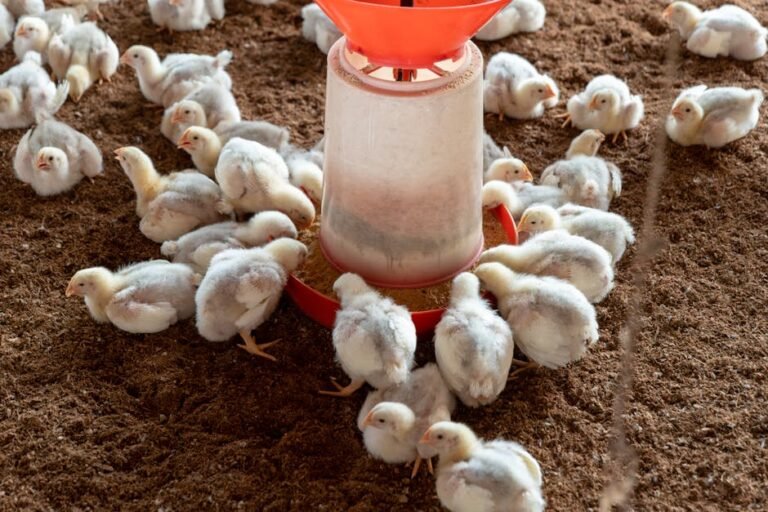
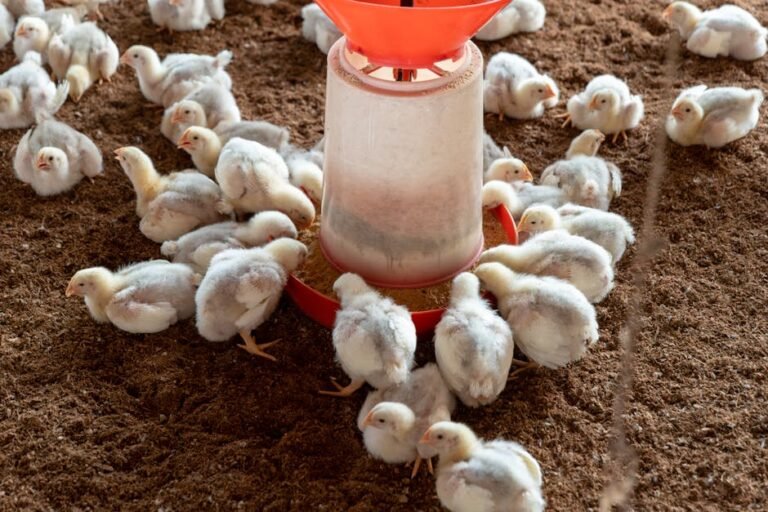
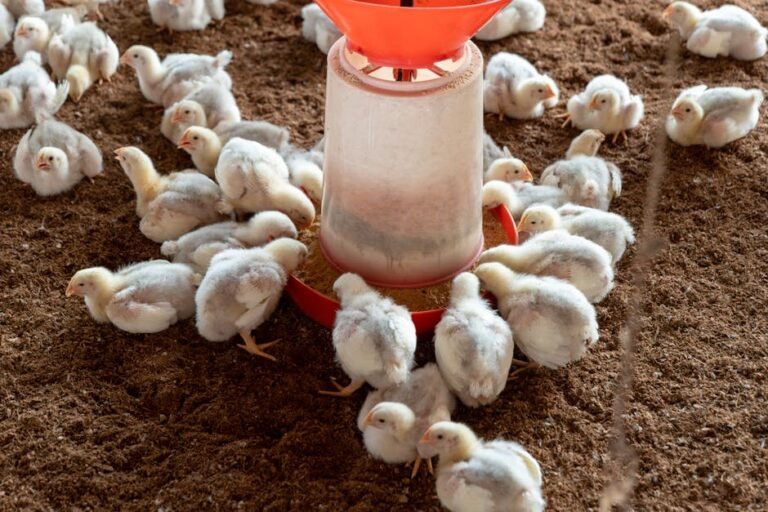
The strongest evidence involves competitive exclusion. Day-old chicks given gut contents from healthy adult hens resist colonization by Salmonella. Commercial competitive-exclusion cultures are based on this idea, and complex cultures have reduced Salmonella more than products made from a single type of bacterium such as Lactobacillus or Bacillus.
These cultures are given very early in life, because the aim is for beneficial bacteria to settle in the gut before Salmonella can. Cultures whose exact bacterial makeup is not defined have had limited acceptance for that reason.
How to use a probiotic product
- Choose a product labeled for poultry and follow the label for dose and how long to use it.
- Give it in feed or drinking water as directed; one meta-analysis found water delivery more effective than feed.
- Keep waterers clean and change medicated or treated water as the label directs.
- Keep up the basics: a complete feed, clean dry litter, good ventilation and biosecurity.
Our chicken feed guide covers choosing a complete feed for each age.
What probiotics cannot do
Probiotics are not a cure for sick birds. Loose droppings, weakness or breathing problems have many causes that need a diagnosis, and some, such as coccidiosis, need specific treatment. Contact a veterinarian if birds are ill; our guide to chicken diseases and symptoms can help you describe what you see.
If a bacterial infection is diagnosed, note that since June 2023, medically important antibiotics for animals in the US require a veterinarian’s prescription. Probiotics also do not replace vaccination or biosecurity.
FAQs
Do chickens need probiotics?
No. Healthy chickens on a complete feed with clean housing do not need them. Some products may help under certain conditions, but results are inconsistent.
Can probiotics treat a sick chicken?
No. They are not a treatment for disease. A sick bird needs a diagnosis, and any antibiotic must be prescribed by a veterinarian.
Are probiotics useful for new chicks?
Competitive-exclusion cultures from adult-chicken gut bacteria have helped day-old chicks resist Salmonella colonization. Follow the product label.
Are Bacillus or Lactobacillus products better?
Neither is consistently better. Bacillus spores store well and survive the upper gut better, but results for every type depend on the strain, dose and conditions.
Do probiotics replace antibiotics?
They are studied as alternatives to antibiotic growth promoters, not as treatments. A diagnosed bacterial infection needs a veterinarian, who must prescribe any medically important antibiotic.
Conclusion
Probiotics are an optional tool, not a cure. If you try one, pick a poultry product, follow the label, and keep relying on good feed, clean housing, biosecurity and a veterinarian when birds get sick.
Sources
- Animal Bioscience (2022, PMC): An updated review on probiotics as an alternative of antibiotics in poultry
- Food Science of Animal Resources (2022, PMC): Effect of Spore-Forming Probiotics on the Poultry Production: A Review
- AIMS Microbiology (2025, PMC): Effects of probiotics on gut microbiota in poultry
- Frontiers in Physiology (2023, PMC): Bacterial composition of a competitive exclusion product and its correlation with product efficacy at reducing Salmonella in poultry
- Extension Foundation (poultry.extension.org): Avian Digestive System
- FDA: GFI #263 Frequently Asked Questions for Farmers and Ranchers
Checked September 2026. Labels change, so always read the label on the product you buy. See our editorial policy for how we research health articles.