Biosecurity for Chickens: Vital Measures for Optimal Health
Biosecurity for chickens is essential to prevent the spread of diseases and maintain the overall health of the flock. In order to protect chickens from infectious agents, it is crucial…

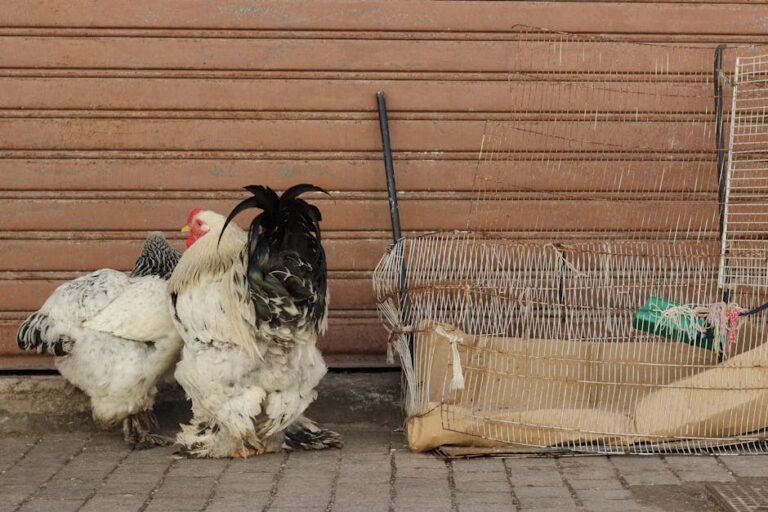
Biosecurity for chickens is essential to prevent the spread of diseases and maintain the overall health of the flock. In order to protect chickens from infectious agents, it is crucial…
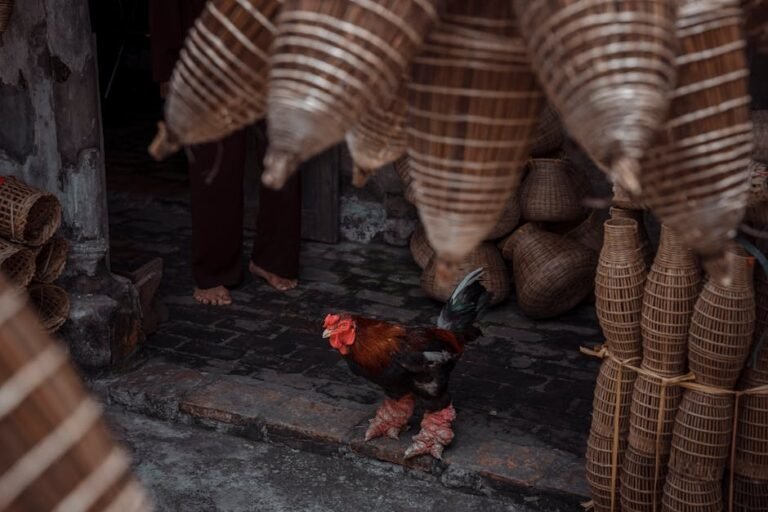
Scaly leg mites are microscopic mites that burrow under the scales on a chicken’s legs and feet, making them thick, crusty and raised. The standard treatment is to smother the mites by coating the whole leg with petroleum jelly or dipping it in linseed oil, isolating affected birds, and cleaning the
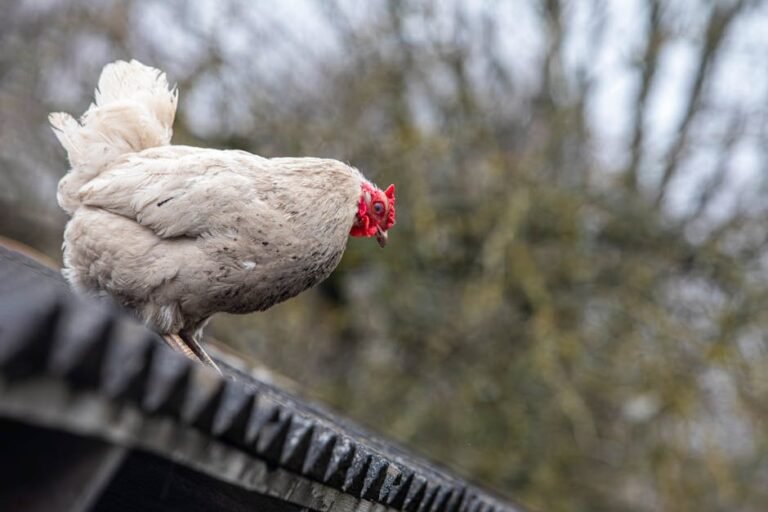
A chicken purrs to communicate contentment and comfort. This behavior is similar to a cat’s purring. Chickens, like cats, have their own unique way of expressing contentment and comfort –…
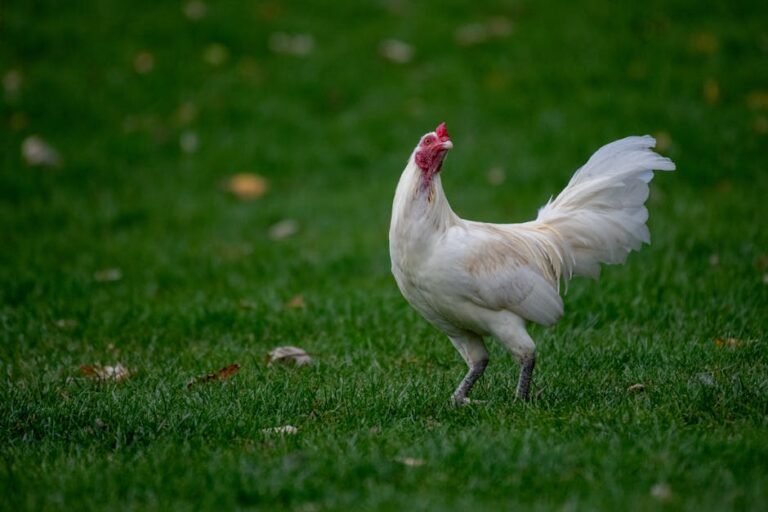
The California White Chicken is an exceptional egg layer, producing a significant number of high-quality eggs. Raising chickens for egg production is a popular practice among homesteaders and small-scale farmers….
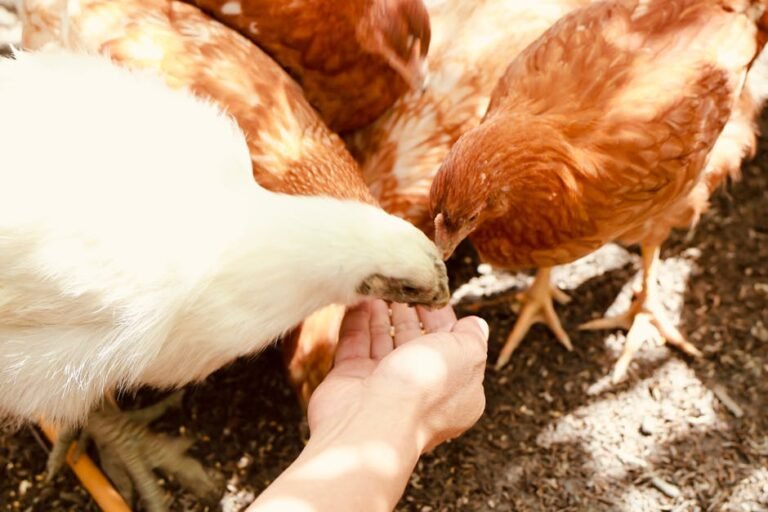
Chickens always seem hungry due to their high metabolic rates and constant foraging behavior. This article explores the reasons behind chickens’ seemingly insatiable appetites and provides insights into their natural…
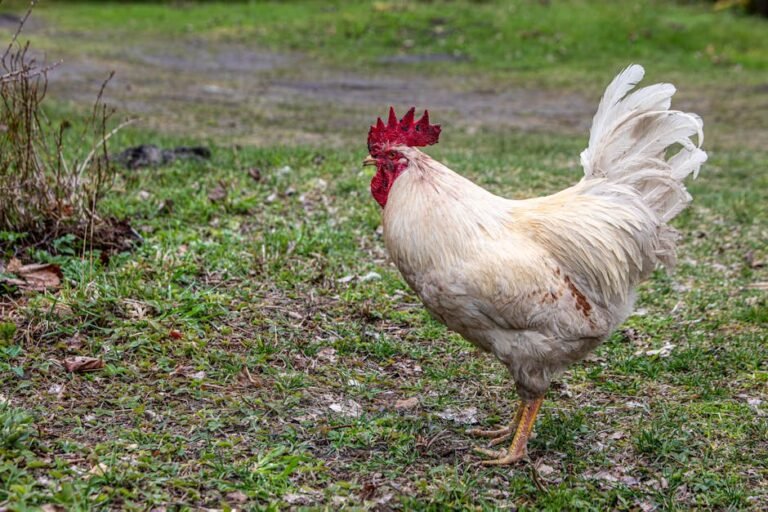
Niederrheiner chicken is a breed known for its attractive appearance and friendly temperament. This German breed is notable for its black and white plumage and its ability to lay an…
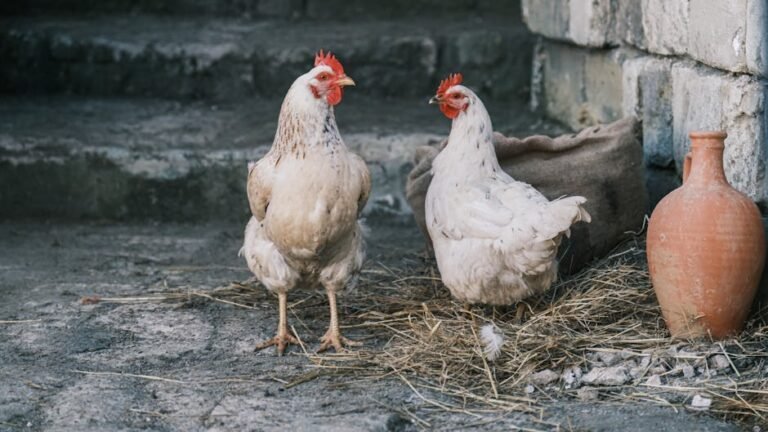
Chickens do exhibit behaviors that suggest they mourn the loss of a flock member, showing signs of distress and a change in behavior. When a chicken dies or is taken…
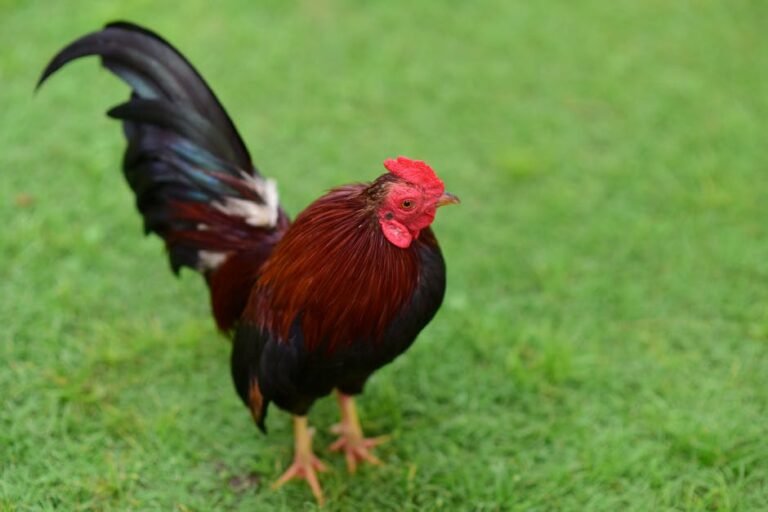
Chickens and guinea fowl can live together as long as they are introduced properly and have enough space to coexist comfortably. Chickens and guinea fowl can cohabitate without issues if…
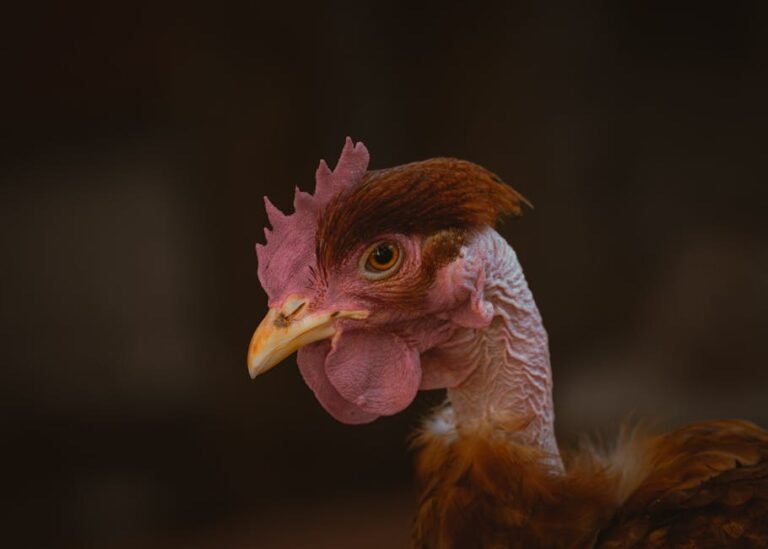
Wry neck (torticollis) is a twisted neck in a chicken, and it is a sign of a problem rather than a disease in itself: it can follow a nervous-system infection, a nutritional deficiency or an injury, so the cause decides what can be done. Some causes respond to diet changes or veterinary care. Others
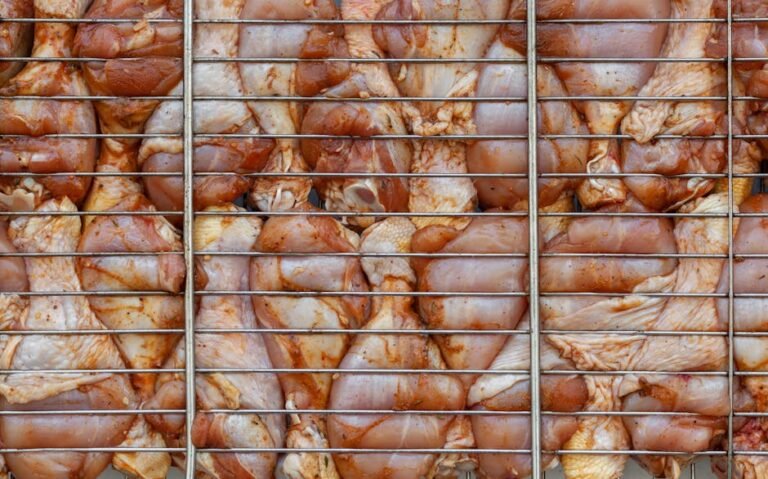
Most chickens get all the protein they need from a complete feed made for their age: about 18-20% protein for chicks, 15-16% for growing pullets and about 16% for laying hens. Extra protein mainly helps during the annual molt, when hens regrow their feathers. This guide covers the numbers, the commo