How Long Do Chickens Live? Lifespan by Breed & Care
Chickens typically live for 5 to 10 years. Chickens have a relatively short lifespan compared to other animals, with an average lifespan of 5 to 10 years. While some chickens…

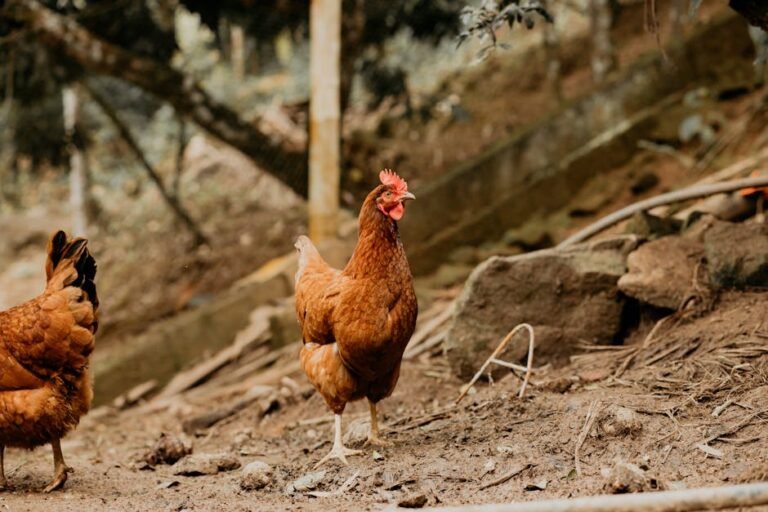
Chickens typically live for 5 to 10 years. Chickens have a relatively short lifespan compared to other animals, with an average lifespan of 5 to 10 years. While some chickens…
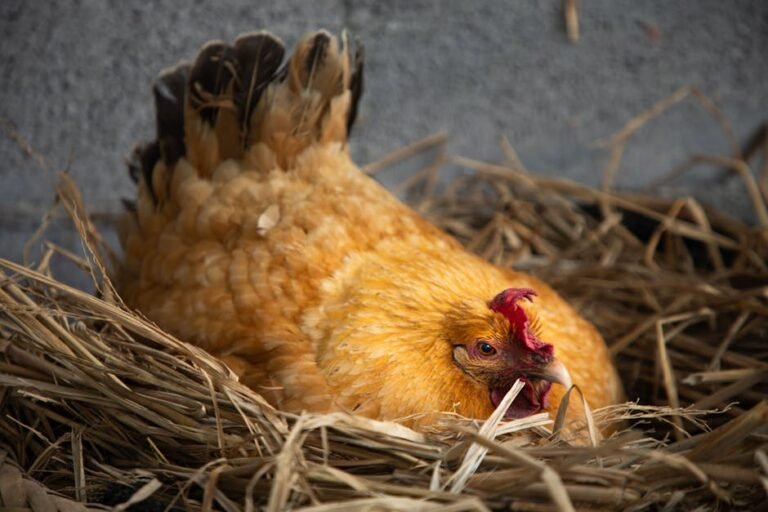
To stop broodiness in chickens, try these 8 methods. Follow these tips to prevent broodiness in your hens and maintain their optimal health and productivity. Broodiness in chickens can disrupt…
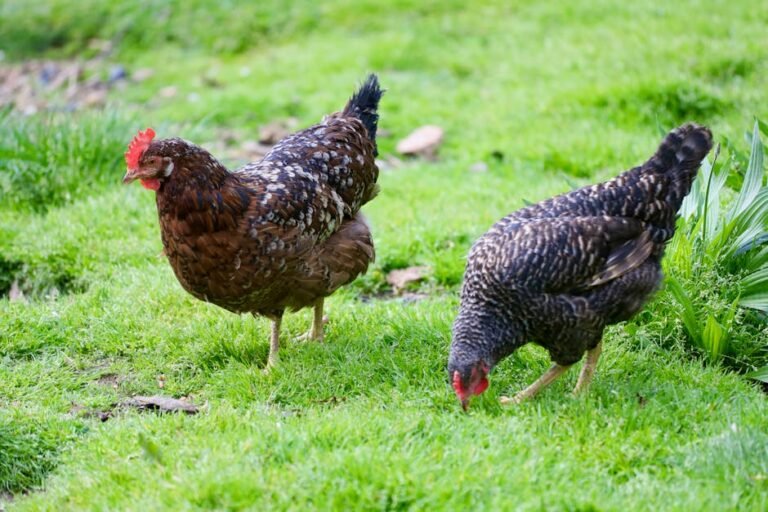
In the chicken pecking order, one chicken emerges as the dominant boss. The pecking order is an essential social hierarchy in chicken flocks where each chicken occupies a specific rank….
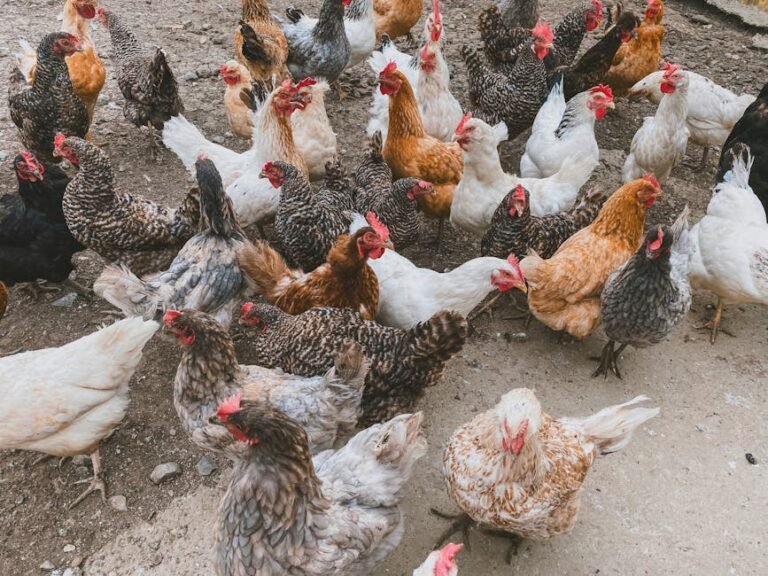
As of 2023, the global chicken population is estimated to be around X billion. In recent years, the number of chickens in the world has seen substantial growth due to…
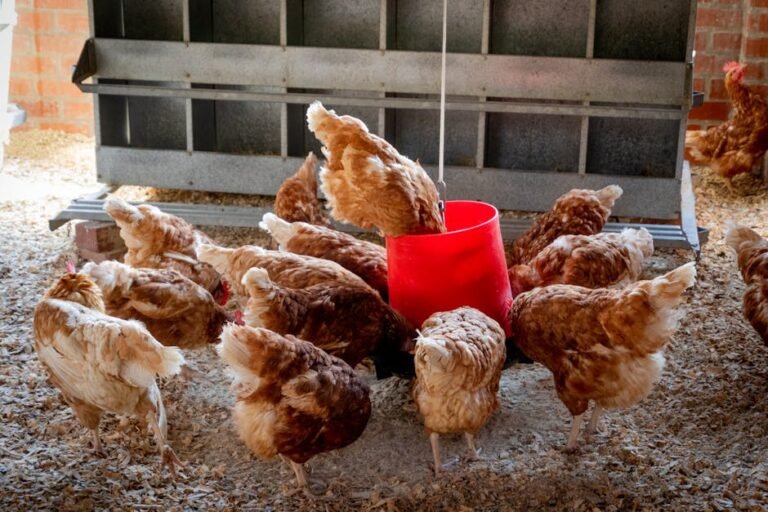
The Free Range Feeder Chicken Feeder is a highly recommended product for 2023. Offering convenience and efficiency in feeding chickens, this feeder is designed to provide free-range birds with easy…
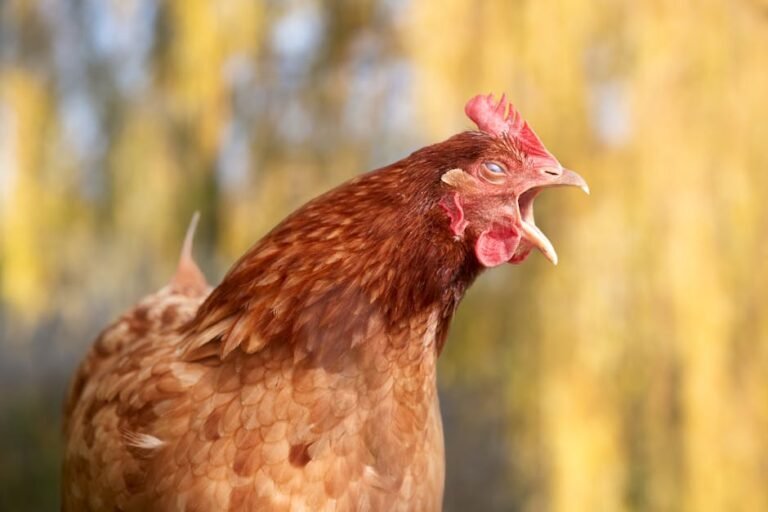
Chickens do not yawn as humans do and there are no known health risks associated with chicken yawning. The act of yawning in chickens is not yet understood and lacks…
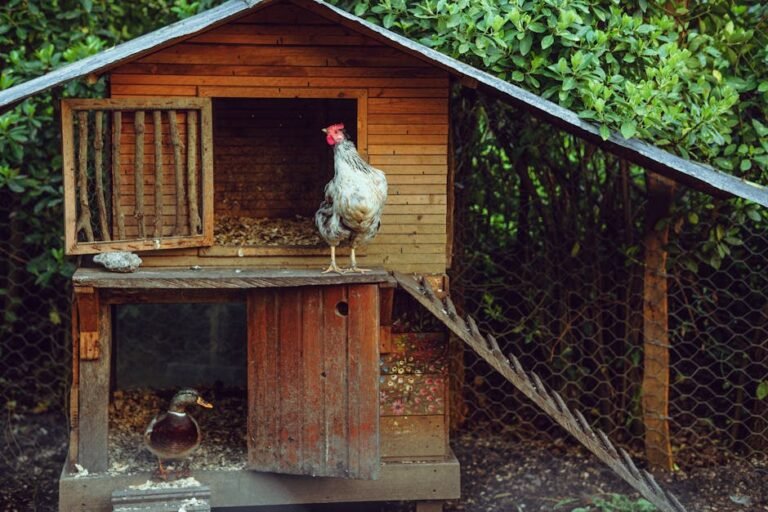
To build an easy, affordable chicken coop for 4 to 6 chickens, follow these steps. (120 words) Chickens can make great pets and provide you with fresh eggs. Building a…
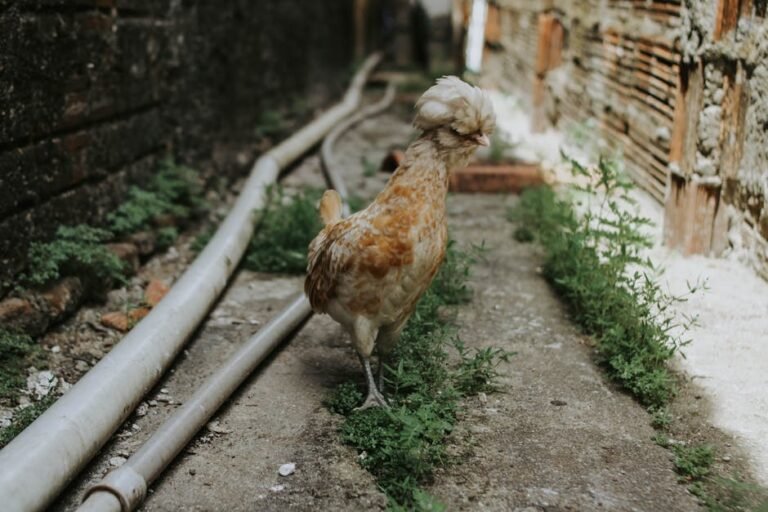
The Belgian D’Uccle Bantam is a small breed of chicken with distinct feather patterns and colors, making it a visual delight for poultry enthusiasts. This article provides a comprehensive overview…
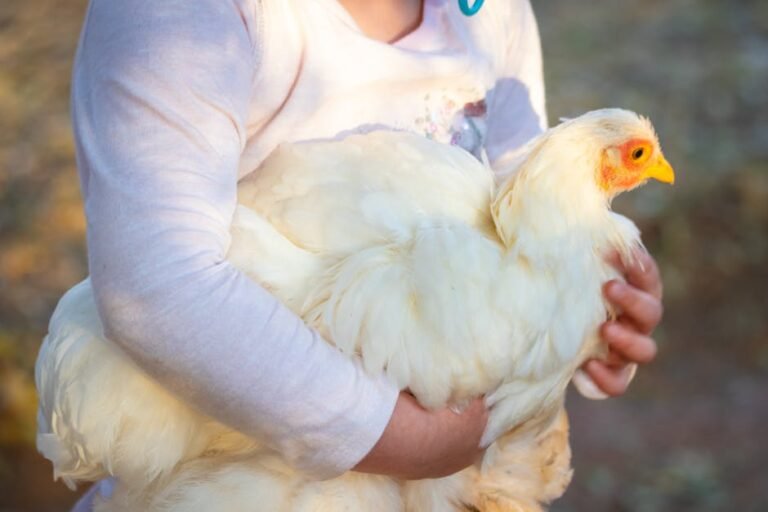
To hold a chicken, gently place one hand under its body and the other hand around its wings. Now I will explain in more detail how to properly hold a…
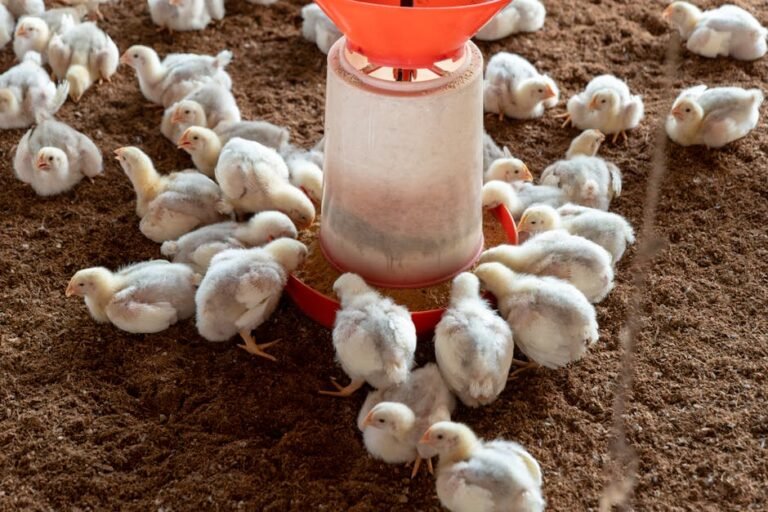
Ivermectin is not FDA-approved for chickens in the US. Using it in a laying flock is “extra-label” use, which for food animals should only happen on a veterinarian’s instructions. Research shows ivermectin residues can stay in egg yolks for weeks after treatment, so the biggest question is often not