Health note: This guide is general information, not veterinary advice, and our writers are not veterinarians. If a bird is sick, injured or not improving, contact a poultry vet, and always follow product labels and your vet's instructions for any medication. How we write health content.
Fowlpox is a viral infection with no specific effective treatment; affected birds get supportive care while the disease runs its course, and prevention by vaccination is key. Fowlpox is a viral infection that affects chickens and is caused by the fowlpox virus.
It is characterized by the development of pox-like lesions on the skin and mucous membranes of affected birds. The virus is transmitted through direct contact with infected birds or through contaminated surfaces. Fowlpox can also be spread by mosquitoes and other biting insects.
Management of fowlpox includes isolating badly affected birds, providing supportive care, and, on a veterinarian’s advice, vaccinating the unaffected birds if fewer than about 20% of the flock shows lesions. Good hygiene practices and mosquito control can help prevent the spread of the disease. Vaccination is an effective way to protect chickens from fowlpox and should be included in a comprehensive flock health management program. Regular monitoring and early detection of the disease can also help minimize its impact on poultry flocks. By understanding the causes and implementing appropriate measures, farmers can effectively manage and control fowlpox in chickens.
Key Takeaways
- Fowlpox is a viral infection causing pox-like lesions on a chicken's skin and mucous membranes.
- It spreads through contact with infected birds, contaminated surfaces, and biting insects like mosquitoes.
- Treatment includes isolating infected birds, supportive care, and vaccination.
- Good hygiene, mosquito control, and vaccination are effective ways to prevent fowlpox.
Understanding Fowlpox: Symptoms And Transmission
Fowlpox is a viral infection that affects chickens, causing various symptoms and health issues. Understanding the symptoms and transmission of fowlpox is crucial for poultry owners to detect and manage the disease effectively. In this section, we will explore what fowlpox is, how it affects chickens, how to identify its symptoms, and how it is transmitted among these birds.
What Is Fowlpox?
Fowlpox, also known as avian pox or bird pox, is a viral disease that primarily affects chickens but can also affect other poultry species such as turkeys and quails. It is caused by the fowlpox virus, which belongs to the family Poxviridae. The virus can survive for long periods in dried scabs shed by recovering birds. Those scabs contaminate the coop and can infect other birds through skin wounds or by inhalation.
How Does Fowlpox Affect Chickens?
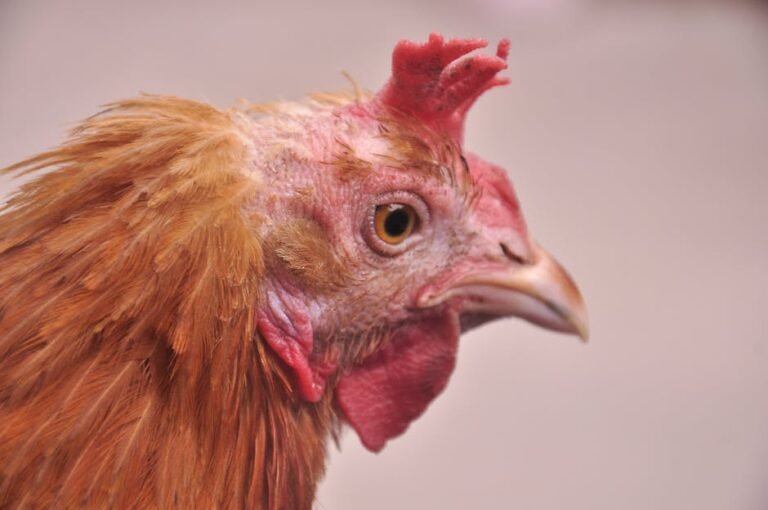
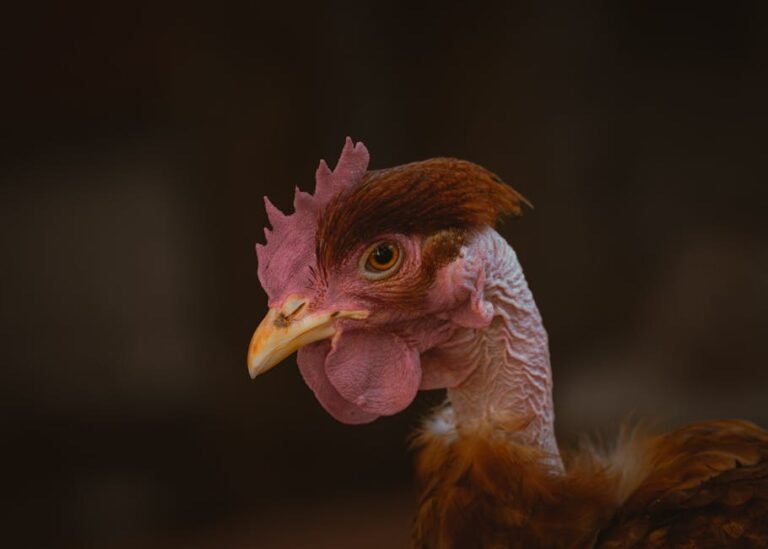
Fowlpox has a significant impact on the overall health and well-being of infected chickens. The virus primarily targets their skin, causing the formation of distinct lesions or pox on their combs, wattles, feet, and unfeathered areas. These pox lesions can range in severity from mild scabs to large, ulcerated growths, depending on the strain of the virus and the chicken’s immune response.
In severe cases, fowlpox can also affect the respiratory system, leading to respiratory distress, difficulty breathing, and a decrease in egg production. Chickens infected with fowlpox may experience reduced appetite and weight loss, leading to decreased productivity and potential economic losses for poultry farmers.
Identifying The Symptoms Of Fowlpox
Fowlpox presents various symptoms, with the severity depending on the strain of the virus and the individual chicken’s immune response. Some common signs of fowlpox infection include:
- Development of yellowish-white nodules or pox lesions on the skin, particularly on the comb, wattles, feet, and unfeathered areas
- Scabby or crusty growths on the legs, beak, or around the eyes
- Difficulty breathing or respiratory distress
- Reduced appetite and weight loss
- Decreased egg production or abnormal egg quality
the lesions caused by fowlpox can be similar to other skin conditions or diseases in chickens. Therefore, proper diagnosis by a veterinarian or poultry health professional is essential to confirm fowlpox and rule out other potential infections.
How Is Fowlpox Transmitted Among Chickens?
Fowlpox is typically transmitted among chickens through direct contact with infected birds or indirect contact with contaminated surfaces. The virus can enter the body through wounds or abrasions in the skin, respiratory tract, or mucous membranes. Mosquitoes and other biting insects can also play a role in transmitting the virus between birds.
It is essential to maintain strict biosecurity measures to prevent the introduction and spread of fowlpox in poultry flocks. This includes quarantining new birds, regularly disinfecting equipment and housing, and controlling mosquito populations in the vicinity of the flock.
By understanding the symptoms and transmission of fowlpox, poultry owners can take proactive measures to prevent, diagnose, and manage this viral infection in their chickens, ensuring the overall health and productivity of their flocks.
Unveiling The Causes Of Fowlpox
Unveiling the Causes of Fowlpox
Exploring The Primary Causes Of Fowlpox
Fowlpox is a viral disease that affects chickens, causing serious health issues and economic losses in poultry farms. Understanding the primary causes of fowlpox is crucial for effective prevention and treatment strategies. Let’s dive into the factors that contribute to the emergence and spread of this highly contagious poultry disease.
Understanding The Role Of Mosquitos In Spreading Fowlpox
Mosquitos play a significant role in spreading fowlpox among chicken flocks. These pesky insects act as vectors, transmitting the virus from infected to susceptible birds. When an infected mosquito bites a chicken, it transfers the virus through the skin, initiating the infection process. This mode of transmission highlights the importance of implementing effective mosquito control measures to reduce the risk of fowlpox outbreaks.
Examining Environmental Factors That Contribute To Fowlpox Outbreaks
Fowlpox outbreaks are influenced by various environmental factors that create favorable conditions for the virus to thrive and spread. Close proximity between infected and healthy birds, inadequate biosecurity measures, and poor ventilation in poultry houses significantly contribute to disease transmission. Additionally, overcrowding and unsanitary conditions increase stress levels among chickens, weakening their immune system and making them more susceptible to fowlpox.
Moreover, contaminated equipment, such as feeders and waterers, can act as a source of infection when shared among birds. The virus can survive in the environment for extended periods, making it essential to maintain strict hygiene practices and regularly disinfect surfaces to prevent fowlpox outbreaks.
understanding the causes of fowlpox in chickens is crucial for effective prevention and control. By exploring the primary causes, such as mosquito vectors and environmental factors, poultry farmers can implement targeted strategies to minimize the risk of fowlpox outbreaks and safeguard the health and productivity of their flock.
Treatment and Vaccination
Fowlpox is a slow-spreading viral infection of chickens and turkeys, though it can move quickly through a flock when mosquitoes are plentiful. It can cause significant economic losses in the poultry industry due to decreased egg production, weight loss, and even death in severe cases. Over the years, scientists and veterinarians have been working tirelessly to find effective treatment options for fowlpox. In recent years, several revolutionary treatment approaches have emerged that offer hope in combating this challenging disease.
Evaluating The Effectiveness Of Vaccination Against Fowlpox
Fowlpox vaccines are live, attenuated fowlpox or pigeonpox virus, usually applied by wing-web stab. Chicks are vaccinated in the first weeks after hatch and revaccinated at 12 to 16 weeks. About a week after vaccination, check the site for swelling and a scab (a ‘take’), which shows the vaccine worked. A flock already affected can still be vaccinated if fewer than about 20% of birds have lesions.
Studies have shown that vaccination can significantly reduce the severity and spread of fowlpox. It is important to note, however, that the effectiveness of vaccination may vary depending on factors such as the chicken’s immune response and the strain of the virus. Regular monitoring and evaluation are crucial to identify and address any potential vaccine failures.
Is There a Treatment for Fowlpox?
There is no specific effective treatment for fowlpox. Supportive care means keeping sick birds eating and drinking, separating badly affected birds, and watching for secondary infections. Most birds with the skin form recover, and recovered birds are generally immune for life.
Preventing Fowlpox: Best Practices For Chicken Owners
Preventing fowlpox is crucial for every chicken owner. This contagious viral disease can cause serious health issues in your flock, leading to decreased egg production and even death. Fortunately, there are several effective measures you can take to protect your chickens from fowlpox. Implementing biosecurity measures, creating a vaccination schedule, and providing proper nutrition and housing are key to boosting their immunity. Let’s dive into each of these strategies in detail.
Biosecurity is essential to keep infectious diseases like fowlpox at bay. By implementing strict protocols, you can reduce the risk of introduction and spread of the virus. Here are some biosecurity measures you should consider:
- Isolate new birds: Keep new chickens separate from your flock for at least 30 days before mixing them in, to help prevent bringing in fowlpox or other diseases.
- Control flock access: Limit access to your flock area to authorized personnel only. Visitors should follow biosecurity protocols, such as washing their hands thoroughly before and after interacting with your chickens.
- Clean and disinfect: Regularly clean and disinfect all equipment, tools, and surfaces that come into contact with your chickens. This includes waterers, feeders, and housing.
- Practice good hygiene: Wash your hands before and after handling your chickens. Change your clothes and footwear when moving between different flocks or areas.
- Monitor wild birds and pests: Keep a close eye on wild birds and pests in and around your chicken coop. They can serve as carriers of fowlpox and other diseases.
Vaccination is a crucial step in preventing fowlpox in your chickens. It helps build their immunity against the virus and reduces the severity of any potential infections. To create an effective vaccination schedule, consider the following:
- Consult a veterinarian: Seek professional advice from a veterinarian experienced in poultry health. They will recommend the most suitable vaccine for your flock based on your geographical location and the prevalence of fowlpox in your area.
- Follow the appropriate vaccination protocol: Different vaccines may have different dosing and administration requirements. Make sure to carefully follow the instructions provided by the manufacturer and your veterinarian.
- Stick to a regular schedule: Establish a vaccination routine that considers the recommended timing for primary vaccination and any necessary booster shots. Consistency is key to maintaining your chickens’ immunity.
- Keep accurate records: Maintain detailed records of vaccinations administered to each individual bird. This will help you track their immunization history and ensure timely revaccination if required.
A well-nourished and comfortable chicken is better equipped to fight off diseases, including fowlpox. Here are some essential considerations to optimize their health:
- Offer a balanced diet: Provide a nutritionally balanced feed formulated specifically for chickens. Ensure it includes a proper combination of protein, vitamins, and minerals to support their immune system.
- Provide fresh water: Clean, fresh water should be available to your chickens at all times. Proper hydration is essential for maintaining their overall health and immunity.
- Ensure proper housing and ventilation: Invest in a sturdy and clean chicken coop that provides adequate space and ventilation for your flock. A well-ventilated environment helps reduce the risk of disease transmission.
- Consider supplements: In consultation with your veterinarian, you may consider adding immune-boosting supplements to your chickens’ diet. These can help enhance their immune response and protect against fowlpox.
By implementing these best practices, chicken owners can significantly reduce the risk of fowlpox and keep their flock healthy and thriving. Remember, prevention is always better than cure when it comes to protecting your chickens from infectious diseases.
The Future Of Fowlpox Control: Advancements And Research
In recent years, there have been significant advancements in the field of fowlpox control. Ongoing research and developments are paving the way for more effective treatment strategies and preventive measures. This article explores some of the most promising areas of study, including education and awareness. By understanding the latest advancements in fowlpox control, we can take proactive steps to protect our chickens and ensure their overall well-being.
Exploring Ongoing Research And Developments In Fowlpox Treatment
Researchers are constantly working to develop new treatment options for fowlpox infection in chickens. Additionally, studies are underway to identify the specific factors that contribute to the severity of fowlpox symptoms and how best to alleviate them. Ongoing research aims to improve the overall effectiveness and accessibility of fowlpox treatments, leading to better outcomes for infected chickens.
Examining The Role Of Education And Awareness In Controlling Fowlpox Outbreaks
Education and awareness matters in preventing and controlling fowlpox outbreaks. By educating chicken owners about the importance of vaccination, biosecurity measures, and early detection, we can empower them to take proactive steps in preventing the spread of the virus. Additionally, educating poultry workers and veterinarians about the latest developments regarding fowlpox treatment and prevention can help them provide better care and support to affected chickens. By promoting awareness and sharing best practices, we can collectively work towards minimizing the impact of fowlpox on chicken populations.
Conclusion
Fowlpox in chickens can be a distressing condition causing skin lesions, reduced egg production, and even death. Understanding the causes and seeking proper treatment is crucial for the well-being of your flock. By implementing biosecurity measures, practicing good hygiene, and vaccinating your chickens, you can minimize the risk of fowlpox outbreaks.
Remember, prevention is always better than cure when it comes to protecting your chickens from this viral disease. Stay informed, take proactive measures, and keep your feathered friends healthy and happy.
Updated September 2026: we fact-checked this article against the sources listed at the end and corrected or removed claims we could not support.
Sources
- Merck Veterinary Manual: Fowlpox in Chickens and Turkeys
- Merck Veterinary Manual: Common Infectious Diseases in Backyard Poultry
- USDA APHIS NAHMS Backyard Poultry Biosecurity Info Sheet (2024)
Checked September 2026. Labels change, so always read the label on the product you buy. See our editorial policy for how we research health articles.