VEVOR Automatic Chicken Coop Door Review
The Vevor Automatic Chicken Coop Door is an excellent choice for chicken owners in 2023, offering convenience and security. With its automatic operation, this door allows chickens to enter and…

How to house your flock: coop size and layout, materials and paint, roosts and nest space, bedding and cleaning, lighting and heating, keeping pests and predators out, and reviews of automatic doors and coops. Use the coop size calculator to work out how much space your birds need.
Free tools: Coop size calculator · Winter coop checklist
More topics: Chicken Breeds · Health & Disease · Eggs & Hatching · Feed & Treats · Care & Management · Behavior
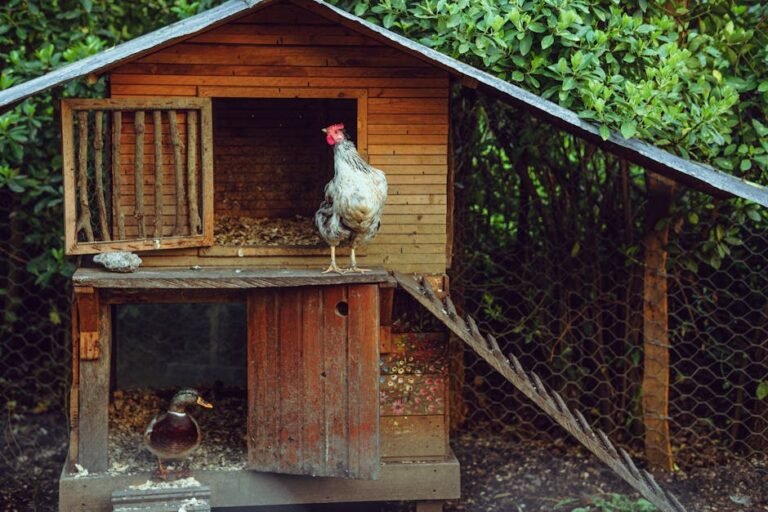
The Vevor Automatic Chicken Coop Door is an excellent choice for chicken owners in 2023, offering convenience and security. With its automatic operation, this door allows chickens to enter and…
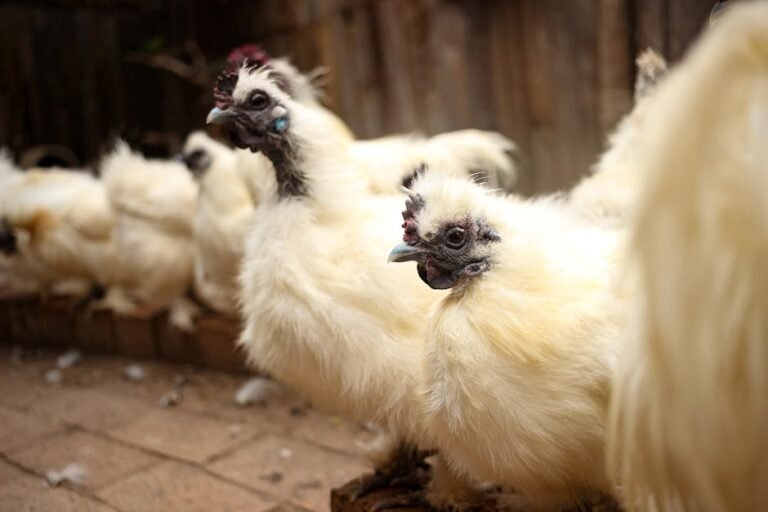
Chicken Fans | Eggcellent Chicken Guides provide accurate and concise information on raising, caring for, and enjoying chickens. With expert tips and insights, we help chicken enthusiasts understand backyard chickens…
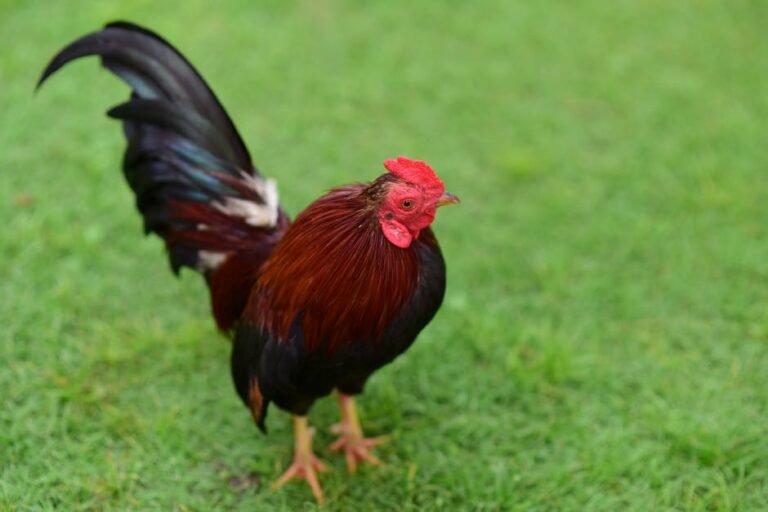
Chinchilla dust is not suitable for chickens due to potential respiratory issues and the risk of contamination. Chinchilla dust should not be used with chickens as it can cause respiratory…
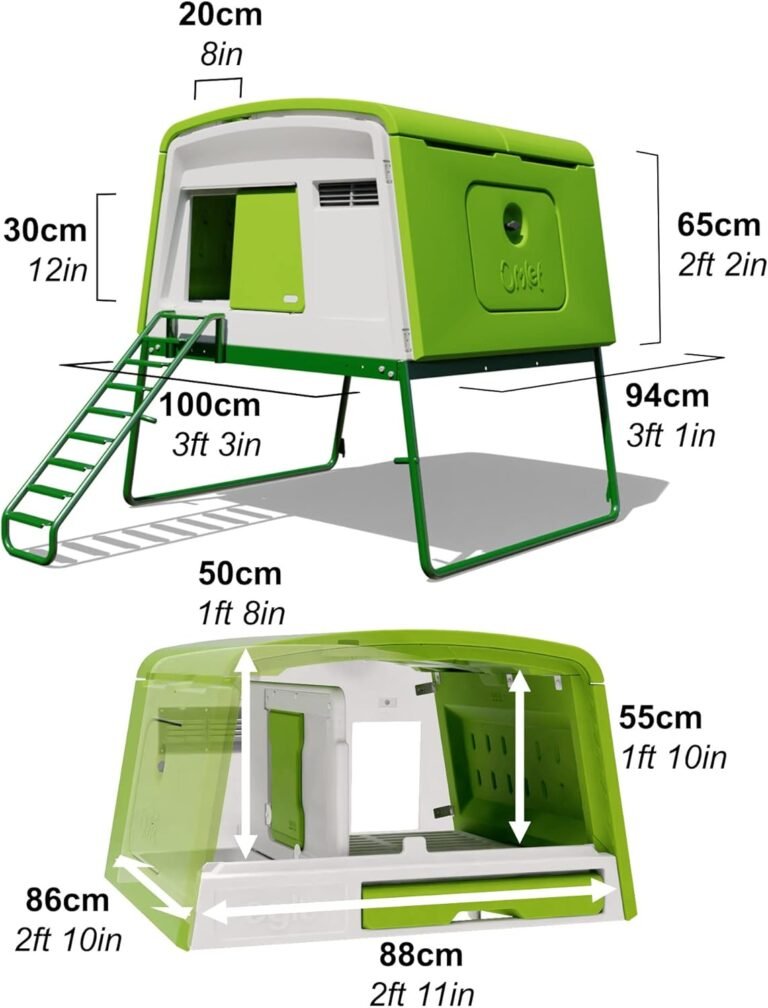
The Omlet Eglu Cube is worth the money as it offers a high-quality, functional chicken coop. This well-designed and durable coop ensures the safety and comfort of your chickens while…
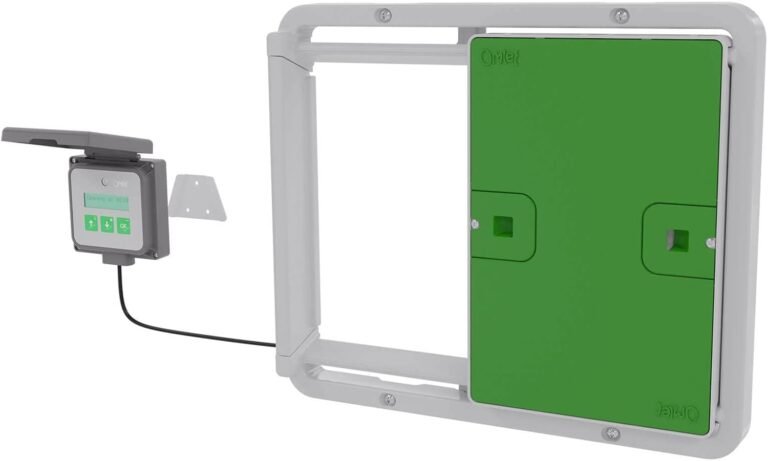
The Omlet Automatic Coop Door in 2025 is an efficient and reliable solution for poultry farmers. Its automatic operation ensures convenience and safety for the chickens. Introducing the Omlet Automatic…

Chicken roosts are essential for sleep and provide perches for chickens to rest on during the night. The dimensions of chicken roosts should be at least 2 inches wide and…

Put a heat lamp in the chicken coop only during freezing weather, and only for sick flocks, young chicks, and brooding periods — not as a default setup. Chickens handle…

A chicken coop does need light during dark conditions because chickens have poor vision in low light and rely on it to find their feed, water, roosts, and nesting boxes….
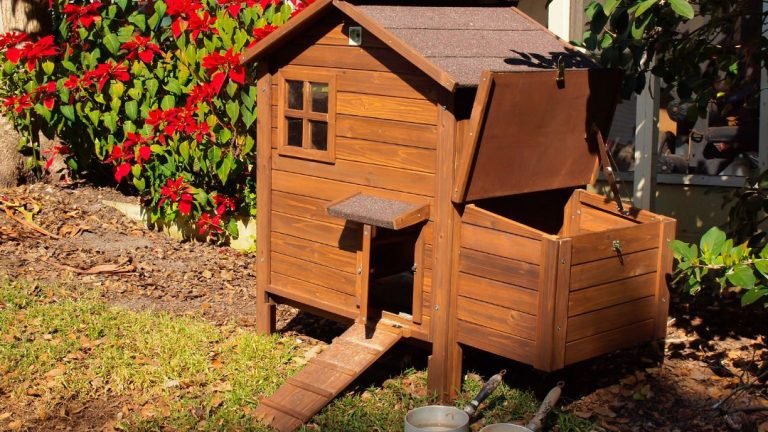
A chicken coop needs high-quality walls and frames, a functional roof, well-ventilated vents, well-designed windows, larger nesting boxes, spacious roosting areas, enough free-range area, water-saving waterers, functional feeders, sufficient heating…

The best wood for a chicken coop is whichever option among softwood, hardwood, pressure-treated lumber, engineered wood, or plywood best fits your breed, climate, material availability, and budget. There is…