Chick Starter vs Layer Feed: Key Differences
Chick starter is a high-protein feed formulated for baby chicks aged 0-8 weeks, while layer feed is a calcium-rich feed for hens older than 18 weeks that are actively laying…

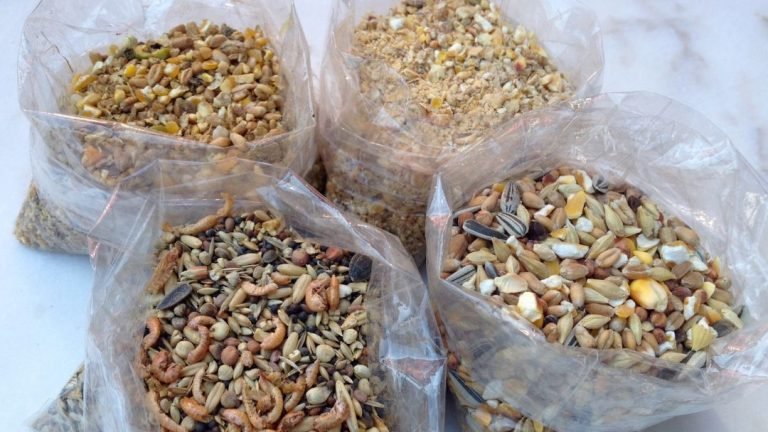
Chick starter is a high-protein feed formulated for baby chicks aged 0-8 weeks, while layer feed is a calcium-rich feed for hens older than 18 weeks that are actively laying…
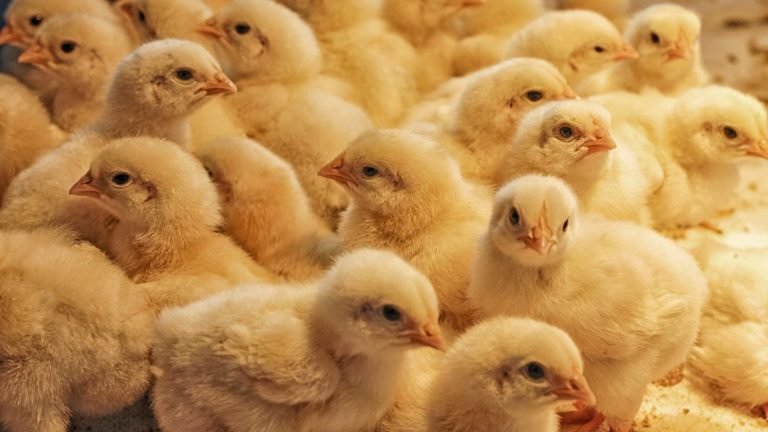
On average, a baby chick needs around 25 to 45 grams of starter feed per day. The exact amount shifts with weight, size, breed type, activity level, and the temperature…

No, chick starter feed does not contain grit — all the ingredients are thoroughly and finely mixed so chicks can digest the feed easily without it. Grit is a finely…
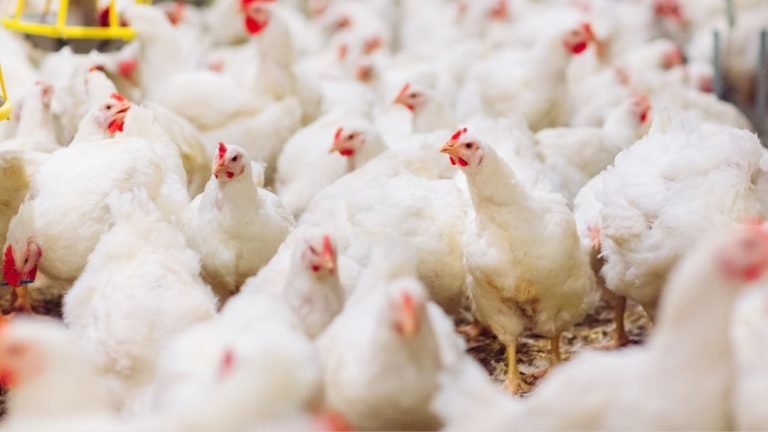
Chicken water belly, also known as Ascites, is a condition where yellowish ascitic fluid builds up in a chicken’s abdomen or peritoneal cavity, producing the swollen, distended bellies and labored…
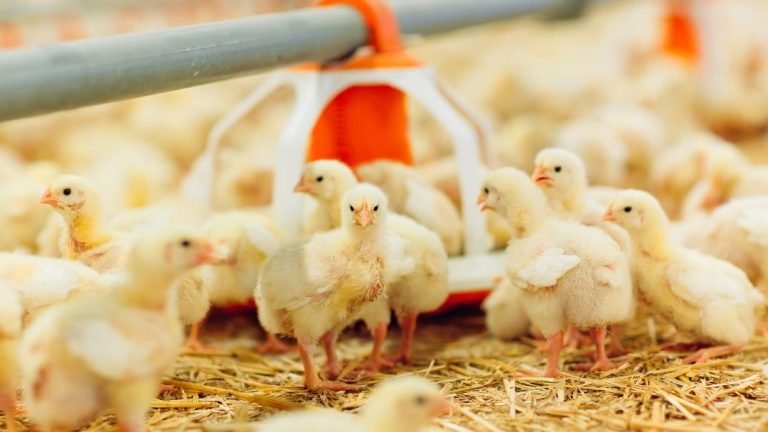
Yes, you should hang your chicken waterer in most setups because it prevents spillage, reduces wasted water, and keeps the water clean for longer. Chickens are inherently messy birds, especially…

Put a heat lamp in the chicken coop only during freezing weather, and only for sick flocks, young chicks, and brooding periods — not as a default setup. Chickens handle…
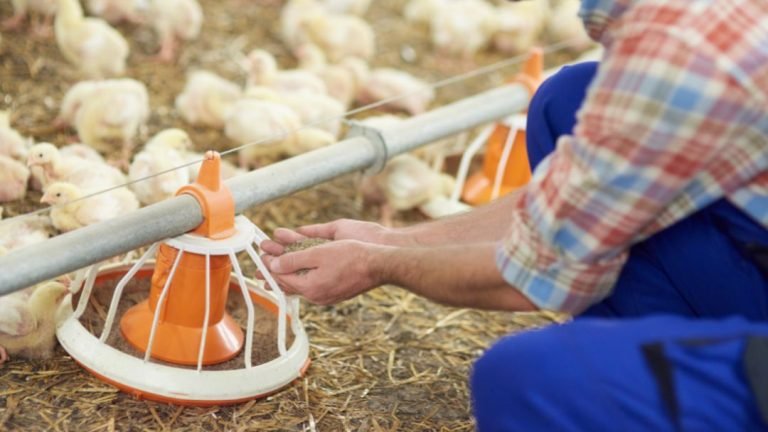
Yes, hanging a chicken feeder is worth it: it protects feed from dirt, contamination, predators, and moisture, and stops chickens from spilling and wasting food. The trade-off is convenience. A…

You can place the chicken feeder either inside or outside the coop, depending on your setup. Keep it inside when your hens are brooding or when you want them to…

To clean chicken nesting boxes, collect any eggs, remove the bedding, manure, and debris, scrub the box with a chicken-friendly cleaner, rinse with a garden hose, dry it in the…
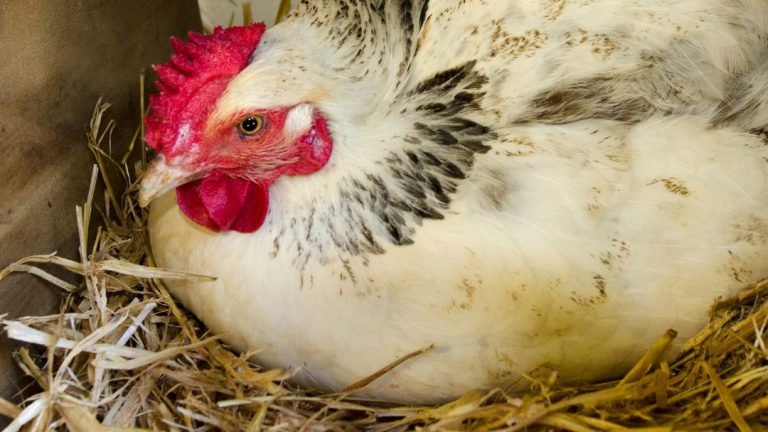
A chicken sitting in the nesting box all day is usually broody, sick, or being disturbed, and a dirty coop or uncomfortable roost can also drive the behavior. On average,…