Chicken Feed Calculator: Daily Feed Needs & Cost for Your Flock
A chicken feed calculator estimates how much feed your flock needs and what it will cost, so you serve the right amount, neither too little nor too much. Whether you…


A chicken feed calculator estimates how much feed your flock needs and what it will cost, so you serve the right amount, neither too little nor too much. Whether you…
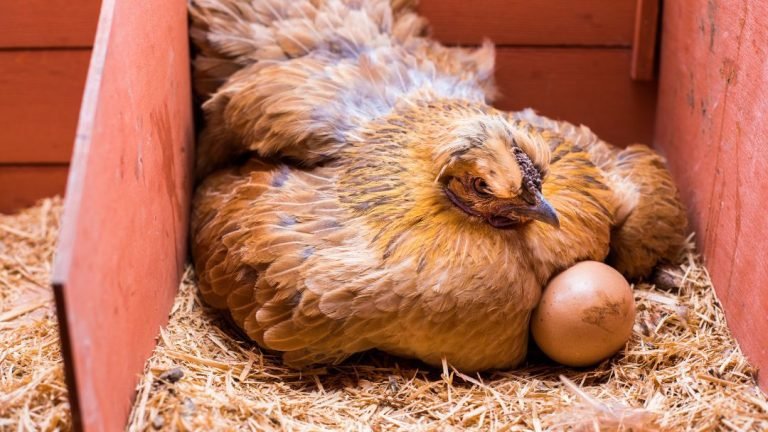
The most reliable way to identify a fertile chicken egg is to crack one open and look at the yolk: a fertile egg shows a small white bullseye on the…

Chickens can eat zucchini and it provides them with several health benefits. Zucchini is not only a tasty vegetable for humans, but also a nutritious addition to a chicken’s diet….
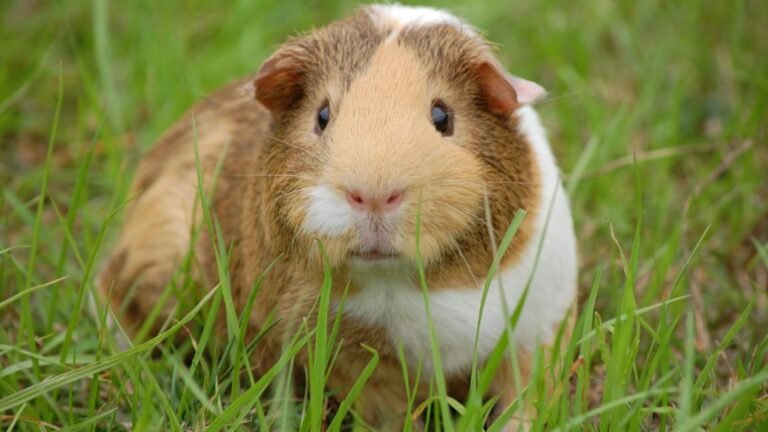
Chickens and guinea pigs should not live together as they have different housing and dietary needs. If you’re considering keeping chickens and guinea pigs together, it’s important to understand that…
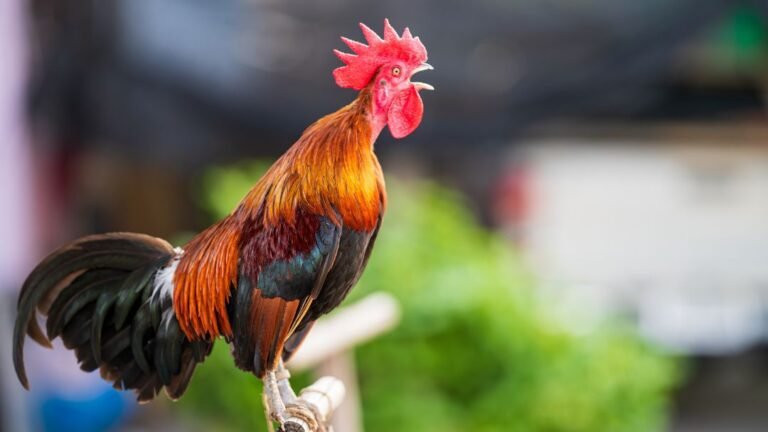
Roosters crow to communicate and establish their territory. To stop them from crowing, there are various methods you can try. Roosters have long been associated with the image of rural…
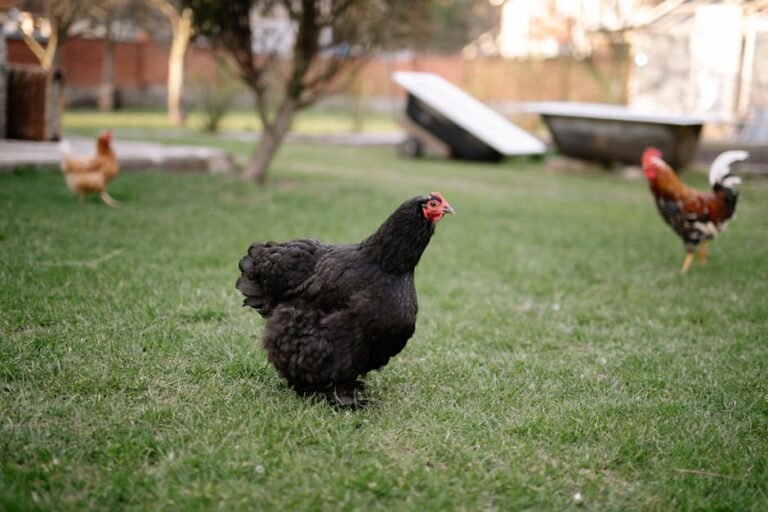
No. Chicken lice can’t live on humans. Poultry lice are species-specific: they feed on a bird’s skin scales and feathers, and they can’t survive on people. If you are itchy or getting bitten after handling your chickens, the likely cause is bird mites, usually the northern fowl mite or the chicken r
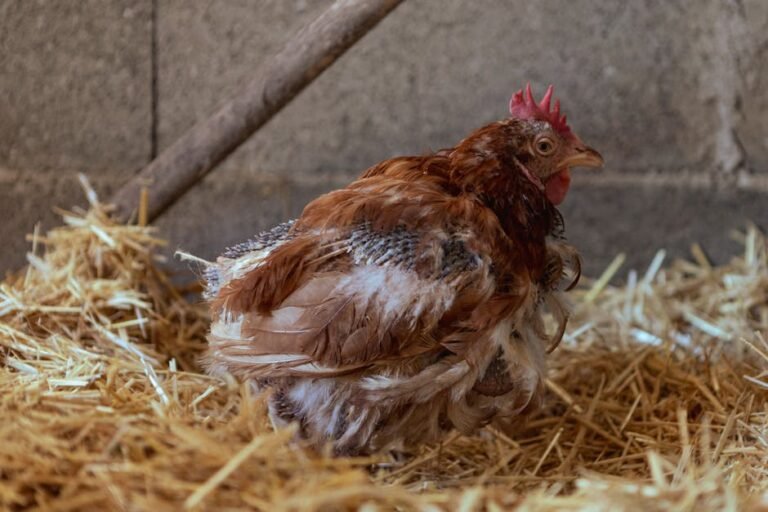
Diy chicken bedding can be easily made at home using materials like straw, wood chips, or shredded paper. When keeping chickens, it’s important to provide them with a comfortable and…
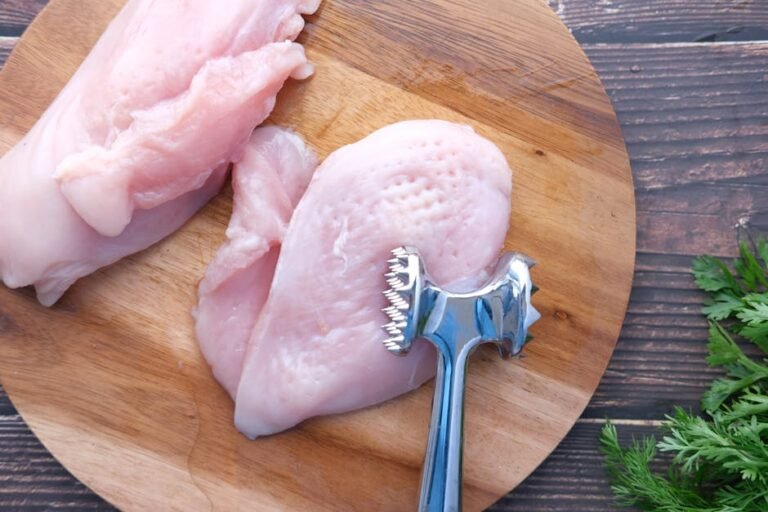
To cook tough chicken, marinate it in acidic ingredients like lemon or vinegar to tenderize the meat. Key Takeaways Marinating tough chicken in acidic ingredients like lemon or vinegar tenderizes…
Chicken diseases and symptoms include respiratory issues, such as coughing and sneezing, and digestive problems like diarrhea and reduced appetite. Additionally, birds may experience skin inflammations and abnormal feather growth,…
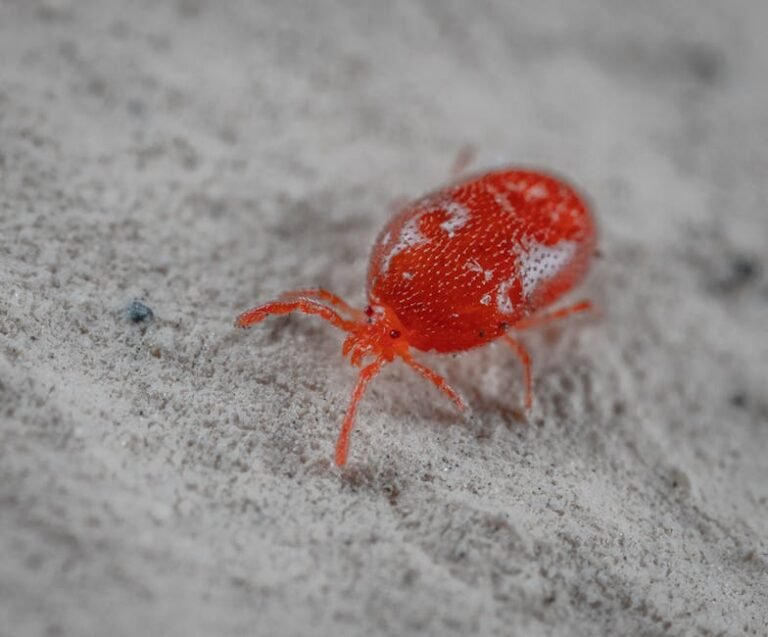
To get rid of chicken mites, find out which mite you have, treat every bird and the coop with a product labeled for poultry, and repeat the treatment every 4 to 7 days, because treatments don’t kill mite eggs. Two blood-feeding mites cause most problems in backyard flocks: the northern fowl mite, wh