How to Keep Chickens Cool in Summer: Simple and Effective Strategies
To keep chickens cool in summer, provide shade and plenty of fresh water for them to drink. Chickens can easily suffer from heat stress during the hot summer months, which…

Day-to-day flock keeping: getting started, buying chicks, how many chickens to keep and how much space they need, handling birds, introducing newcomers, winter and summer care, and life stages from chick to old hen.
Free tools: Chick temperature chart · Rooster or hen? · Broody hen breaker · Molt tracker · Winter coop checklist
More topics: Chicken Breeds · Health & Disease · Eggs & Hatching · Coop & Equipment · Feed & Treats · Behavior

To keep chickens cool in summer, provide shade and plenty of fresh water for them to drink. Chickens can easily suffer from heat stress during the hot summer months, which…
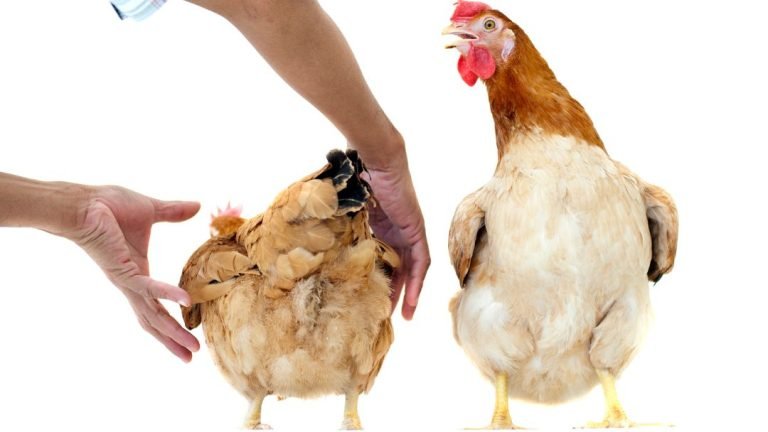
Introducing new chickens to your flock should be done slowly and cautiously. Here are the steps you should take to ensure a smooth integration process for your new feathered friends….
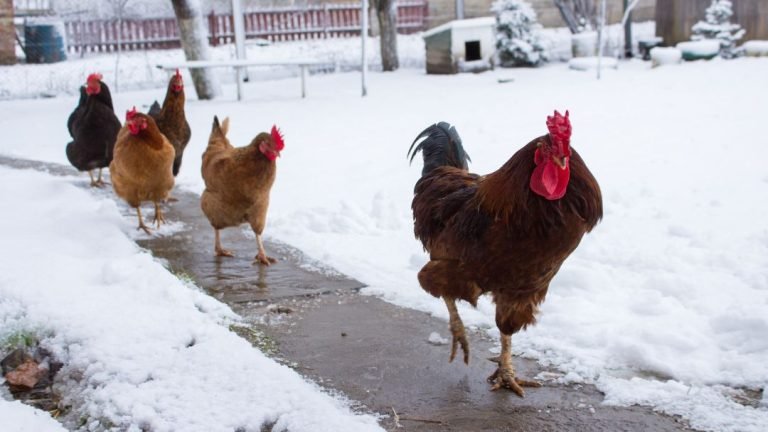
To keep chickens comfortable in winter, give them a dry, well-ventilated but draft-free coop, deep dry bedding, unfrozen water and plenty of feed; most healthy, feathered flocks don’t need added…
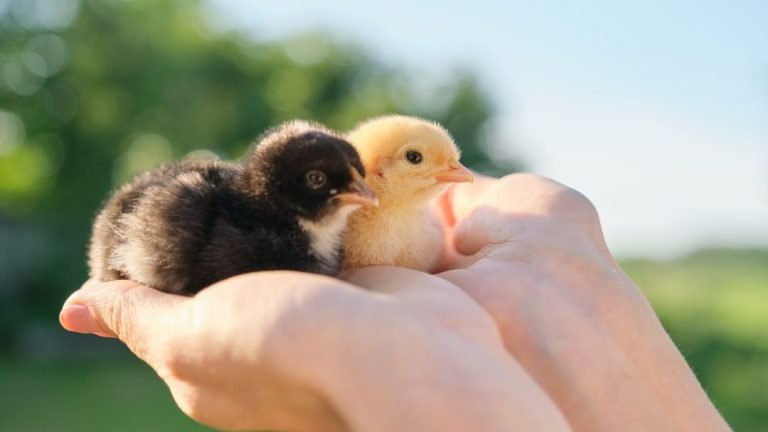
To identify the sex of baby chicks, you can use the “vent sexing” method or the “feather sexing” method. The vent sexing method involves examining the cloaca, a small opening…
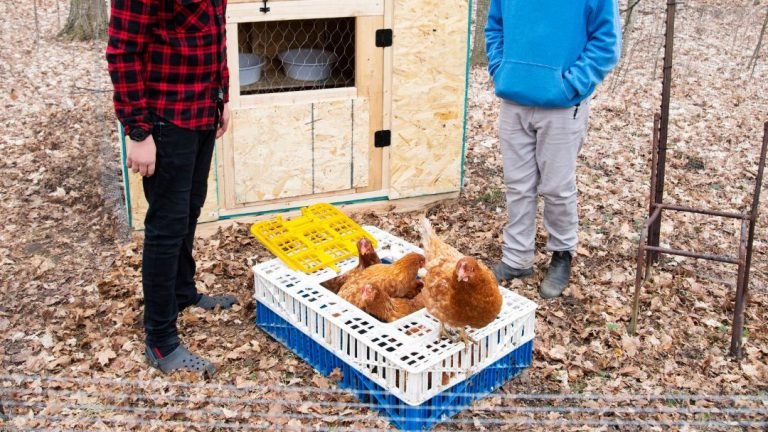
To move chicks to the chicken coop, gently pick them up and place them inside. Moving chicks to the chicken coop is an essential step in raising backyard chickens. Once…

Composting chicken manure is a cost-effective and eco-friendly way to create nutrient-rich soil for gardening. By breaking down the manure through composting, you can eliminate pathogens and odors while producing…