Do Chicken Nesting Boxes Need A Top
Chicken nesting boxes do not strictly need a top, but adding one helps shy and calm hens feel safer and keeps the boxes cleaner. A roof creates the darker, more…


Chicken nesting boxes do not strictly need a top, but adding one helps shy and calm hens feel safer and keeps the boxes cleaner. A roof creates the darker, more…
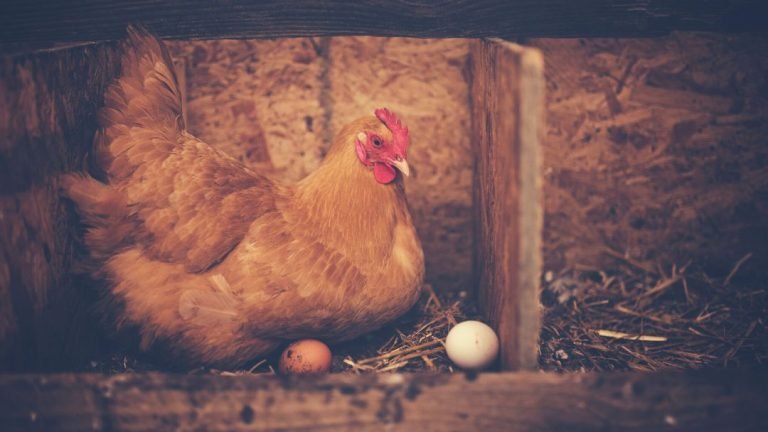
To get chickens to use the nesting box, add enough boxes for your flock, keep them clean, use the right nesting materials, place fake eggs inside, hang curtains to keep…
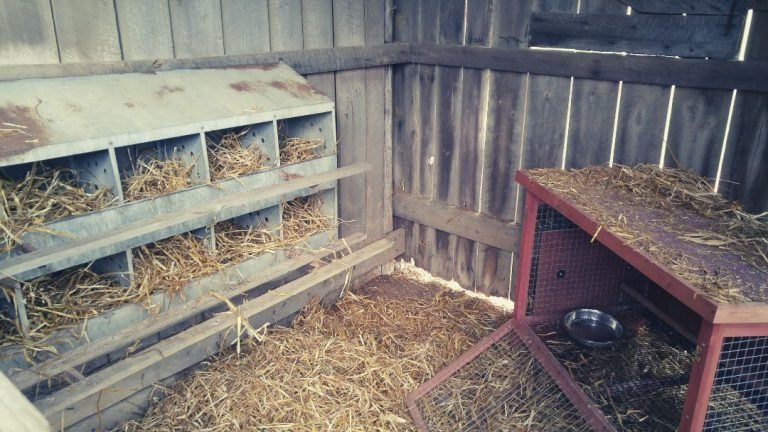
Set up nesting boxes when your chickens are 16-17 weeks old, since most hens start laying eggs at 18-22 weeks. Some breeds take longer to reach point of lay, so…
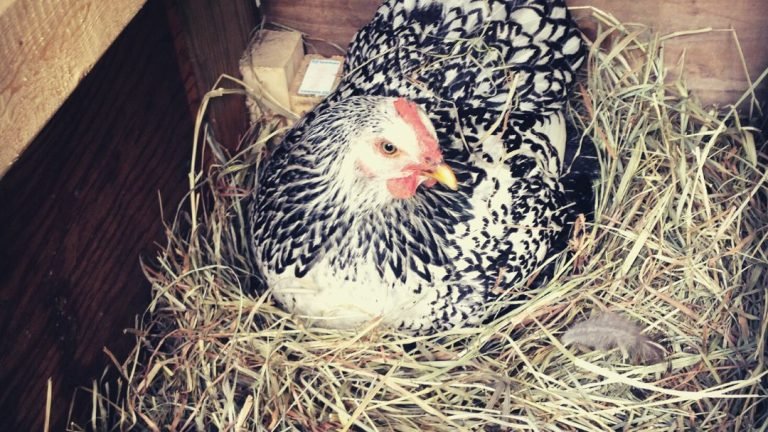
No, each chicken does not need its own nesting box — two or three hens can comfortably share a single box. The exact number you need depends on chicken size,…

A chicken coop needs high-quality walls and frames, a functional roof, well-ventilated vents, well-designed windows, larger nesting boxes, spacious roosting areas, enough free-range area, water-saving waterers, functional feeders, sufficient heating…

A chicken coop size calculator works out the ideal coop space for your flock based on the number of chickens you keep and the size of each bird. Getting coop…
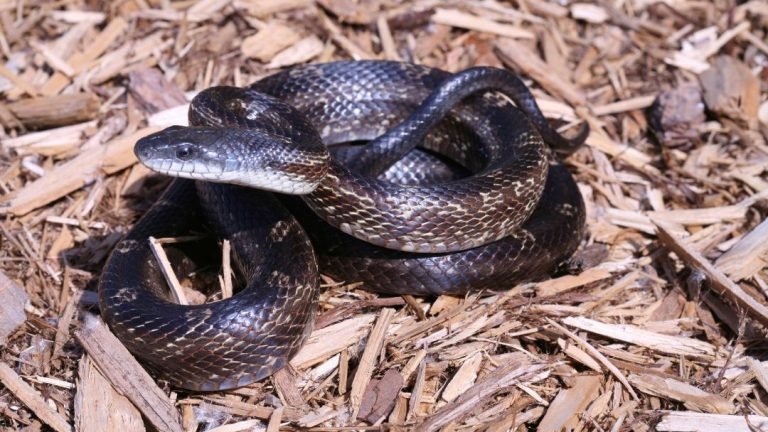
Protect a chicken coop from snakes by using snake-repellent products, cleaning wastage and food residues daily, sealing the coop walls properly, elevating the coop position, and switching to thicker-gauge wire….
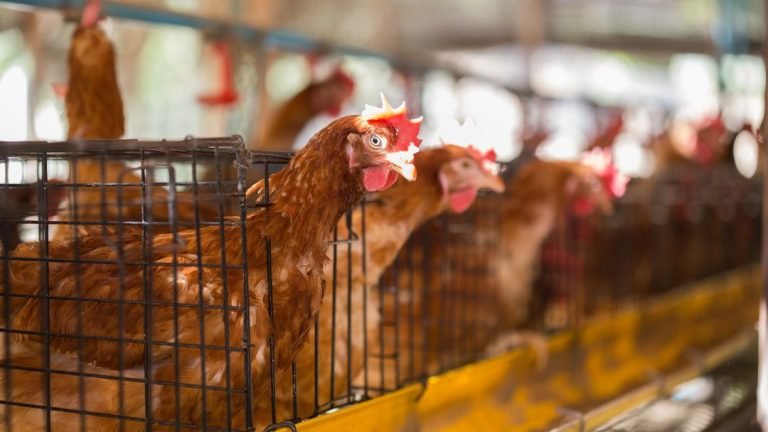
Chickens may stop laying eggs due to age, stress, lack of proper nutrition, disease, or inadequate lighting conditions. It is important to address these factors in order to encourage egg…
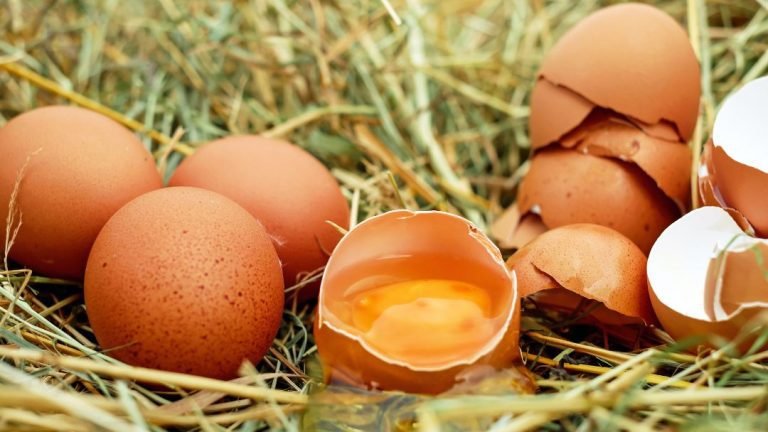
Chickens may eat their own eggs due to nutritional deficiencies or stress factors. This behavior is typically exhibited when the chickens lack sufficient nutrients or when environmental stressors disrupt their…
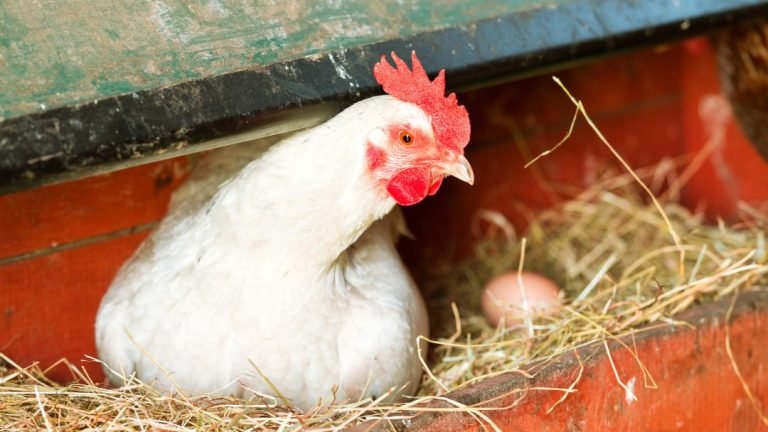
Chickens start laying eggs between 4 to 6 months of age. Welcome to our informative article about when chickens start laying eggs! If you are considering raising chickens for fresh…